Unlock Adventures: Best Credit Cards for Travel Rewards
best credit cards for travel rewards

Unlock Adventures: Best Credit Cards for Travel Rewards

Transform everyday spending into unforgettable journeys with the right travel rewards credit card.

Find Your Perfect Card

Key Takeaways

  • ✓ Travel rewards cards offer points or miles for purchases, redeemable for flights, hotels, and more.
  • ✓ Sign-up bonuses are often the most lucrative way to earn a large number of rewards quickly.
  • ✓ Annual fees can be offset by the value of perks like lounge access, free nights, or statement credits.
  • ✓ Transferable points programs provide the most flexibility for maximizing award travel.

How It Works

1
Earn Rewards

Use your travel rewards credit card for everyday purchases and specific bonus categories. Each dollar spent accrues points or miles.

2
Accumulate Bonuses

Meet spending requirements for lucrative sign-up bonuses, which can jumpstart your rewards balance significantly. Look for limited-time offers.

3
Redeem for Travel

Exchange your accumulated points or miles for flights, hotel stays, car rentals, or other travel-related expenses. Redemption values vary.

4
Enjoy Perks

Leverage additional benefits like airport lounge access, free checked bags, travel insurance, or elite status to enhance your travel experience.

Understanding Travel Rewards Credit Cards: Your Gateway to Exploration

A collection of travel essentials including a passport, credit cards, and a boarding pass. Ideal for travel and finance concepts. Photo: DΛVΞ GΛRCIΛ / Pexels
The allure of free flights, luxurious hotel stays, and exclusive travel perks often begins with the right credit card. Travel rewards credit cards are designed specifically to incentivize spending by offering points, miles, or cash back that can be redeemed for travel-related expenses. But not all cards are created equal, and understanding the nuances of how they operate is crucial to maximizing their value. At its core, a travel rewards card turns your everyday expenditures – groceries, utilities, dining out – into opportunities for future adventures. Instead of just paying for things, you're earning towards your next vacation. These cards typically fall into a few broad categories: general travel rewards cards, airline-specific cards, and hotel-specific cards. General travel cards, often issued by major banks like Chase, American Express, or Capital One, offer flexible points that can be redeemed in various ways, including booking directly through their travel portals, using points for statement credits against travel purchases, or, most powerfully, transferring points to partner airline and hotel loyalty programs. This flexibility is a key differentiator, allowing you to chase the best redemption values across multiple brands. Airline and hotel co-branded cards, on the other hand, are tied to a specific loyalty program, earning you miles or points directly with that airline or hotel chain. While less flexible, they often come with brand-specific perks like free checked bags, priority boarding, annual free night certificates, or elite status benefits that can significantly enhance your travel experience with that particular brand. Beyond earning rates, the true value of a travel rewards card often lies in its sign-up bonus. These introductory offers can provide tens of thousands of points or miles after meeting a specified spending threshold within the first few months of card membership. For example, a bonus of 60,000 points could easily translate to a round-trip domestic flight or several nights at a mid-tier hotel. Savvy travelers often strategize their card applications around these bonuses, using them as catalysts for significant travel savings. However, it's vital to ensure you can comfortably meet the spending requirement without going into debt, as interest charges will quickly negate any rewards earned. Another critical component to consider is the annual fee. Many of the best credit cards for travel rewards come with annual fees, ranging from under $100 to several hundred dollars. While this might seem counterintuitive for a card designed to save you money, these fees are often justified by the value of the benefits they provide. These benefits can include annual travel credits, airport lounge access, complimentary elite status, free checked bags, primary car rental insurance, or trip delay/cancellation insurance. It's essential to perform a personal cost-benefit analysis: do the perks and potential travel savings outweigh the annual fee based on your travel habits? For frequent travelers, the answer is often a resounding yes. For those who travel less frequently, a no-annual-fee option or a card with a lower fee might be more appropriate. Understanding these fundamental aspects is the first step in choosing the best credit card for your specific travel goals and spending patterns.

Top Contenders: A Deep Dive into the Best Travel Rewards Credit Cards
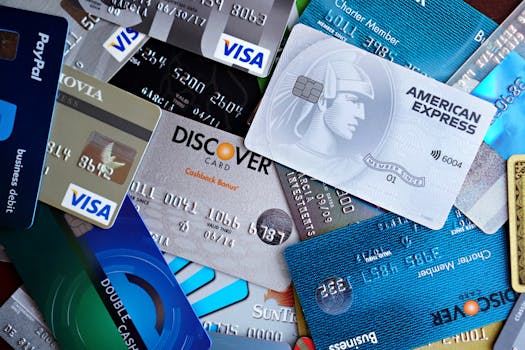
Close-up image of various credit cards including Visa, Mastercard, and American Express. Photo: DΛVΞ GΛRCIΛ / Pexels
When evaluating the best credit cards for travel rewards, several cards consistently rise to the top, offering a compelling blend of earning potential, redemption flexibility, and valuable perks. These cards are often categorized by their target user – from the casual traveler to the globetrotting enthusiast. Let's explore some of the leading options and what makes them stand out. For general, flexible travel, cards like the Chase Sapphire Preferred® Card and the Chase Sapphire Reserve® are perennial favorites. The Sapphire Preferred offers excellent bonus categories on dining, travel, and online groceries, and its points are worth 25% more when redeemed for travel through Chase Ultimate Rewards. Crucially, its points can be transferred 1:1 to a host of airline and hotel partners, including United, Southwest, Hyatt, and Marriott, providing immense flexibility. The Sapphire Reserve, its premium counterpart, boasts even higher earning rates on travel and dining, a more generous travel credit, and a higher redemption value (50% more) through the Chase portal. It also includes perks like Priority Pass Select airport lounge access, Global Entry/TSA PreCheck credit, and comprehensive travel insurance. While the Reserve has a higher annual fee, its benefits often easily offset the cost for frequent travelers. American Express also offers formidable contenders with its Membership Rewards program. The Amex Platinum Card is a luxury travel powerhouse, known for its extensive list of premium benefits. These include unparalleled lounge access (Centurion Lounges, Priority Pass, Delta Sky Club when flying Delta), annual statement credits for various travel and lifestyle purchases (e.g., airline fee credit, Uber Cash, Saks Fifth Avenue credit), and hotel elite status with Marriott Bonvoy and Hilton Honors. While its annual fee is substantial, the sheer volume of benefits can provide incredible value for those who can utilize them. For a more accessible option, the Amex Gold Card excels in everyday spending categories, offering 4x points on U.S. supermarkets and at restaurants worldwide, making it a fantastic companion card for earning points rapidly. Capital One has also made significant strides in the travel rewards space with its Venture X Rewards Credit Card. This card offers a straightforward 2X miles on every purchase, every day, along with a generous sign-up bonus. Its annual fee is competitive for the premium benefits it offers, including a $300 annual travel credit, 10,000 bonus miles each card anniversary, and Priority Pass Select lounge access. The miles can be redeemed for travel directly or transferred to a growing list of travel partners. This card often appeals to those who prefer simplicity in their rewards structure while still desiring premium travel perks. Finally, for those seeking specific airline or hotel loyalty, co-branded cards are indispensable. For instance, the Southwest Rapid Rewards® Priority Card offers significant points, a yearly travel credit, and priority boarding, making it ideal for frequent Southwest flyers. Similarly, the Marriott Bonvoy Boundless® Credit Card provides a free night certificate annually and elite status, perfect for loyal Marriott guests. The best choice ultimately depends on your preferred airlines, hotel chains, and how you value flexibility versus brand-specific benefits. Carefully comparing these top contenders against your own travel patterns and spending habits is crucial to selecting the optimal card.

Maximizing Your Rewards: Strategies for the Savvy Traveler

Traveler studying a map for directions, symbolizing exploration and adventure. Photo: Porapak Apichodilok / Pexels
Simply owning a travel rewards credit card isn't enough; to truly unlock its potential, you need a strategy. Maximizing your rewards involves a combination of smart spending, strategic redemptions, and leveraging card benefits. The goal is to get the highest possible value for every point or mile you earn, transforming what might otherwise be ordinary expenses into extraordinary travel experiences. One of the most fundamental strategies is to always pay your balance in full and on time. Any interest paid will quickly erode the value of your rewards, turning a profitable endeavor into a costly one. Remember, these cards are tools for financial optimization, not for accumulating debt. First, focus on earning. Understand your card's bonus categories. Does it offer extra points on dining, gas, groceries, or travel? Make sure to use that card for those specific purchases. For example, if your card offers 3x points on dining, always use it when eating out. Consider building a 'card ecosystem' where you use different cards for different spending categories to maximize earnings across the board. Some cards offer rotating bonus categories that change quarterly; staying on top of these can significantly boost your point accumulation. Also, keep an eye out for limited-time offers or targeted promotions from your card issuer. These can include bonus points for spending at specific merchants or reaching certain spending thresholds beyond the initial sign-up bonus. Second, master redemptions. While direct redemptions for travel through a card's portal can be convenient, the highest value often comes from transferring points to airline and hotel partners. For example, 50,000 Chase Ultimate Rewards points might be worth $750 when booked through the Chase travel portal (with the Sapphire Reserve), but if transferred to a partner like Hyatt, those same points could secure a luxury hotel room valued at $1,000 or more. This is known as 'outsize value' and is the holy grail for points and miles enthusiasts. Researching award charts and understanding peak vs. off-peak pricing for partner programs can lead to incredible deals. Be flexible with your travel dates and destinations if possible, as this opens up more award availability and better redemption rates. Always compare the cash price of a flight or hotel against the points cost to ensure you're getting good value. Third, fully utilize your card's perks. Many premium travel cards come with a host of benefits that can save you money or enhance your travel experience. Don't forget to use your annual travel credits, which can offset a significant portion of the annual fee. If your card offers Global Entry or TSA PreCheck reimbursement, take advantage of it. Airport lounge access can save you money on food and drinks at the airport and provide a much-needed sanctuary before a flight. Travel insurance benefits, such as trip delay, cancellation, or baggage delay insurance, can provide peace of mind and financial protection when things go wrong. Even seemingly small perks like free checked bags can add up to substantial savings over multiple trips. Regularly review your card's benefits guide to ensure you're not leaving any value on the table. By strategically earning, redeeming, and utilizing benefits, you can transform your everyday spending into incredible travel adventures, proving that the best credit cards for travel rewards are powerful tools for financial freedom and global exploration.

Common Mistakes to Avoid When Using Travel Rewards Cards

Flat lay of a notepad labeled 'tax' with crumpled paper on a white background, symbolizing financial stress. Photo: Tara Winstead / Pexels
While travel rewards credit cards offer immense potential for saving on travel, they also come with pitfalls that can negate their benefits if not managed carefully. Being aware of these common mistakes can help ensure your journey to free travel remains smooth and rewarding. The biggest and most detrimental mistake is carrying a balance and paying interest. The high Annual Percentage Rates (APRs) on most rewards credit cards mean that any interest accrued will quickly outweigh the value of points or miles earned. A $50 annual fee is easily justified by $500 in travel savings, but $500 in interest payments on a carried balance instantly makes the card a liability, not an asset. Always prioritize paying your statement balance in full each month. Another frequent error is not understanding the card's specific redemption rules and transfer partners. Not all points are created equal, and their value can fluctuate significantly based on how they are redeemed. Some cardholders redeem points for cash back at a fixed rate, often valuing points at 1 cent each, when those same points could be worth 2 cents or more per point if transferred to the right airline or hotel partner for a premium redemption. Failing to research and compare redemption options means leaving significant value on the table. Similarly, overlooking transfer bonuses – temporary promotions where card issuers offer extra points when transferring to a specific partner – is a missed opportunity for boosting your rewards. Many consumers also make the mistake of applying for too many cards too quickly. While sign-up bonuses are tempting, opening multiple credit accounts in a short period can negatively impact your credit score, especially if you have a short credit history. Furthermore, some issuers have 'churning' rules (e.g., Chase's 5/24 rule) that limit the number of new cards you can open within a certain timeframe. Strategize your applications, ensuring you can meet spending requirements for bonuses without overextending yourself financially or damaging your credit profile. Lastly, failing to utilize or track card benefits is a common oversight. Premium travel cards often come with annual travel credits, hotel elite status, lounge access, and various insurance protections. If you're paying a high annual fee but not using these benefits, you're essentially throwing money away. Set reminders for annual credits, understand your insurance coverage, and make sure you're taking advantage of all the perks your card offers. Don't let your valuable benefits expire unused; they are a key part of the card's value proposition and a reason why many choose the best credit cards for travel rewards despite their annual fees. By avoiding these missteps, you can ensure your travel rewards strategy is both effective and financially sound.

Comparison

FeatureChase Sapphire PreferredAmex Platinum CardCapital One Venture X
Annual Fee$95$695$395
Sign-up Bonus (Typical)60k points80k-120k points75k-100k miles
Earning Rate Highlights3x Dining, 2x Travel5x Flights/Hotels (booked via Amex Travel)2x on all purchases
Travel Credits$50 Hotel Credit (annual)~$1,500+ in annual credits (airline, Uber, Saks, etc.)$300 Annual Travel Credit
Airport Lounge Access✓ (Centurion, Priority Pass, Delta Sky Club)✓ (Priority Pass, Capital One Lounges)
Point Transfer Partners✓ (United, Southwest, Hyatt, Marriott, etc.)✓ (Delta, Emirates, Hilton, Marriott, etc.)✓ (Air Canada, British Airways, Wyndham, etc.)
Foreign Transaction Fees

What Readers Say

"The Chase Sapphire Preferred completely changed how I travel. I earned enough points from the sign-up bonus and everyday spending for two round-trip flights to Europe. It's truly one of the best credit cards for travel rewards out there."

Sarah J. · Austin, TX

"As a frequent business traveler, the Amex Platinum Card's lounge access and statement credits are indispensable. The annual fee is high, but the value I get easily surpasses it. My travel experience has been elevated significantly."

Mark D. · New York, NY

"I used the Capital One Venture X to book a dream vacation to Hawaii for almost free. The 2x miles on everything made earning simple, and the annual travel credit was a huge bonus. I highly recommend it for straightforward travel rewards."

Emily R. · Denver, CO

"While I love the points multipliers on my Amex Gold Card for dining and groceries, I wish it had more direct travel benefits like lounge access. It's fantastic for earning, but I pair it with another card for redemption perks."

David L. · Chicago, IL

"My Marriott Bonvoy Boundless card gives me a free night every year and helps me achieve elite status. For someone who consistently stays at Marriott properties, it's one of the best credit cards for travel rewards focused on hotels."

Jessica M. · Miami, FL

Frequently Asked Questions

What are the best credit cards for travel rewards for beginners?

For beginners, cards like the Chase Sapphire Preferred® Card or the Capital One VentureOne Rewards Credit Card are often recommended. They offer solid earning rates, flexible redemption options, and manageable annual fees (or no annual fee for VentureOne), making them excellent entry points into the world of travel rewards without overwhelming complexity.

Is it worth paying an annual fee for a travel rewards credit card?

It depends on your travel habits and how well you utilize the card's benefits. For frequent travelers, the value from perks like airport lounge access, annual travel credits, free checked bags, or complimentary elite status often far outweighs the annual fee. If you travel infrequently or don't use the premium benefits, a no-annual-fee option might be more suitable.

How do I transfer points to airline or hotel partners?

Most major card issuers (Chase, Amex, Capital One) have dedicated portals where you can initiate point transfers. You typically link your credit card rewards account to your airline or hotel loyalty program account, then specify how many points you wish to transfer. Always check for transfer bonuses and ensure you have an active loyalty account before transferring, as transfers are usually irreversible.

Can I earn travel rewards with good cash back cards?

While not specifically 'travel rewards' cards, some cash back cards offer high earning rates that can be used to offset travel expenses. However, the redemption value of cash back is typically fixed (e.g., 1 cent per point), whereas travel points/miles often yield much higher value (2 cents or more per point) when redeemed strategically for flights or hotels. For pure travel optimization, dedicated travel cards usually win out.

What's the difference between flexible points and airline/hotel miles?

Flexible points (e.g., Chase Ultimate Rewards, Amex Membership Rewards) are issued by banks and can be transferred to various airline or hotel loyalty programs, offering versatility. Airline or hotel miles/points are earned directly with a specific brand (e.g., Delta SkyMiles, Marriott Bonvoy points) and are generally only redeemable within that brand's ecosystem, though they often come with brand-specific perks.

Who should prioritize airport lounge access in a travel card?

Airport lounge access is most valuable for frequent flyers, especially those with long layovers, early morning flights, or who often face flight delays. Lounges offer a quieter environment, complimentary food and drinks, Wi-Fi, and sometimes showers, significantly improving the airport experience for those who spend a lot of time there. Casual travelers might not find the value to justify the often higher annual fees associated with this perk.

Are travel rewards cards safe to use for international travel?

Yes, many of the best credit cards for travel rewards are designed with international travel in mind. Most premium travel cards come with no foreign transaction fees, which saves you 2-3% on every purchase made abroad. They also often include travel insurance benefits like trip delay, cancellation, and baggage insurance, providing an added layer of security and peace of mind during your international adventures.

What are future trends for travel rewards credit cards?

Future trends likely include increased personalization of rewards and benefits, more emphasis on sustainable travel options or offsetting carbon footprints, and continued integration with digital wallets and mobile payment solutions. We might also see more niche travel cards catering to specific types of travelers (e.g., digital nomads, adventure travelers) and evolving partnerships between card issuers and a broader range of travel providers.

Ready to turn your everyday spending into extraordinary journeys? Explore the best credit cards for travel rewards and discover the perfect card to unlock unforgettable adventures. Start earning your next vacation today!

Topics: best credit cards for travel rewardstravel rewards credit cardairline miles credit cardhotel points credit cardtravel perks credit card
Leo List

IE Escorts NO Escorts US Escorts NZ Escorts AU Escorts
Brampton weed
Adultwork EstrelaBet Vai de Bet R7 Bet Betão Galera Bet Rainbet Bet9ja Shop SportyBet BetKing Sisal Loto Foot Hollywoodbets YesPlay Odibets RushBet Jugabet BetWarrior BetCity MSport betPawa Fortebet