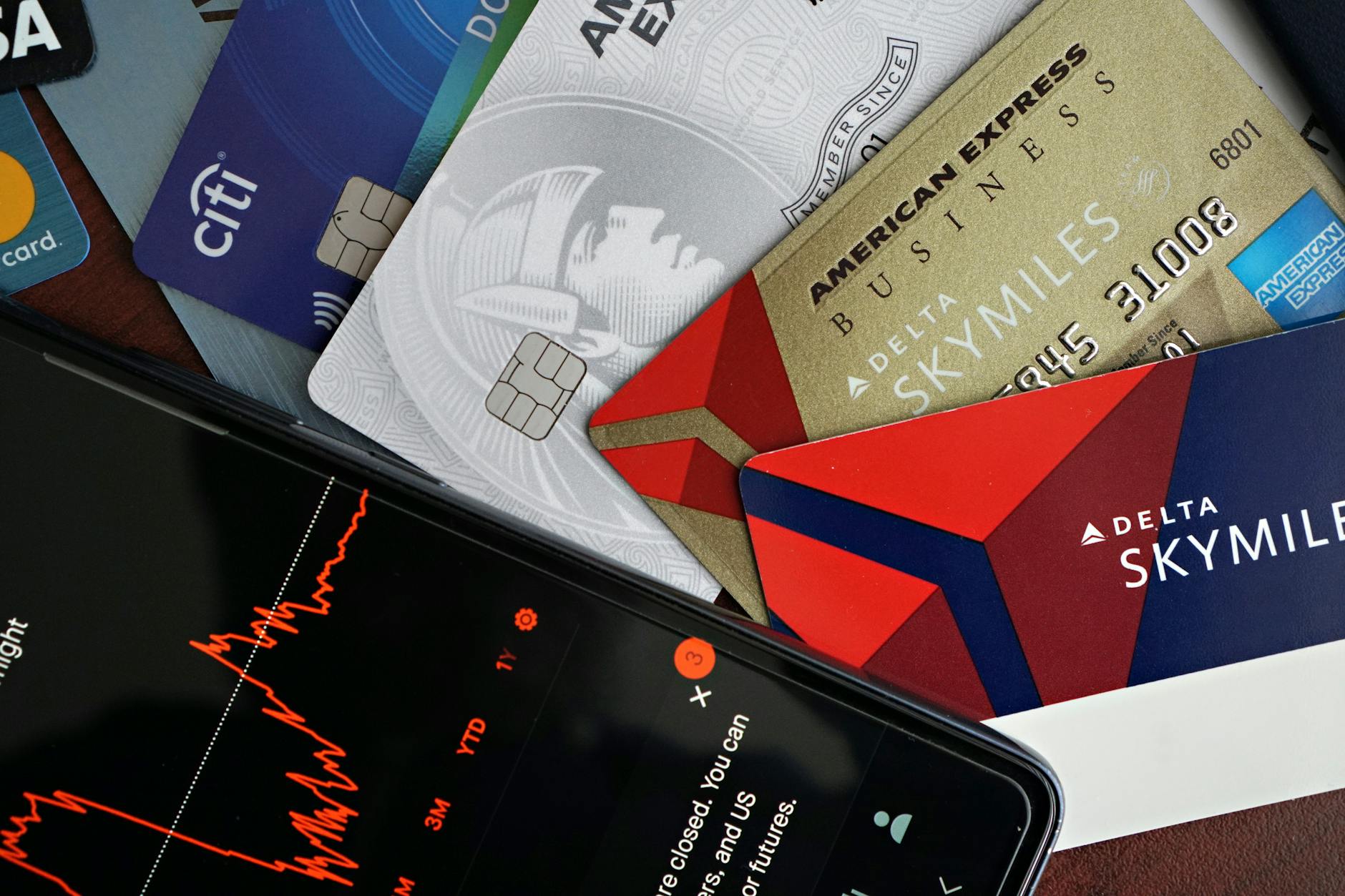
Unlock Adventures: Best Credit Cards for Travel Rewards
best credit cards for travel rewards

Unlock Adventures: Best Credit Cards for Travel Rewards

Transform everyday spending into unforgettable journeys with the right travel rewards credit card.

Find Your Perfect Card

Key Takeaways

  • ✓ Travel credit cards can offer sign-up bonuses worth hundreds of dollars in travel.
  • ✓ Rewards typically come as points or miles, redeemable for flights, hotels, and more.
  • ✓ Many cards include valuable perks like travel insurance, lounge access, and fee credits.
  • ✓ Annual fees are common, but often offset by the value of the rewards and benefits.

How It Works

1
Choose Your Card

Select a travel rewards credit card that aligns with your spending habits and travel goals. Consider factors like annual fees, reward structures, and issuer-specific perks.

2
Earn Rewards

Use your chosen card for everyday purchases, paying attention to bonus categories. Meet initial spending requirements to unlock lucrative sign-up bonuses, which are often the most valuable part of a new card.

3
Redeem for Travel

Accumulate points or miles and redeem them for flights, hotel stays, rental cars, or other travel experiences. Understand the redemption value and transfer partners to maximize your rewards.

4
Utilize Benefits

Take advantage of card benefits such as travel insurance, statement credits for airline fees or Global Entry, and airport lounge access. These perks can significantly enhance your travel experience and save you money.

Understanding Travel Rewards Credit Cards

A vibrant map with colorful letters spelling 'TRAVEL', highlighting Central America and the Caribbean. Photo: Lara Jameson / Pexels
In the vast landscape of personal finance, travel rewards credit cards stand out as a powerful tool for savvy consumers looking to transform their everyday spending into incredible travel experiences. But what exactly are they, and how do they work? At their core, these cards reward you for using them, typically in the form of points or miles, which can then be redeemed for various travel-related expenses. Unlike cash-back cards, which offer a direct percentage back on purchases, travel cards often provide a higher redemption value when applied to flights, hotels, or other travel services. This unique proposition makes them incredibly appealing for anyone with a wanderlust spirit. The mechanism is straightforward: you spend, you earn. Most cards offer a base earning rate, say 1 point per dollar, and then provide accelerated earning in specific categories like dining, groceries, or travel purchases. The real game-changer for many, however, are the sign-up bonuses. These substantial point or mile offerings are awarded after meeting a specific spending threshold within a set timeframe, usually the first few months of card ownership. These bonuses alone can often be enough for a free flight or a couple of nights in a hotel, making them a primary driver for card selection. Beyond just earning points, the best credit cards for travel rewards come loaded with an array of benefits designed to enhance your travel experience. These can range from practical advantages like travel insurance (covering trip cancellation, interruption, or lost luggage), rental car insurance, and no foreign transaction fees, to luxurious perks such as airport lounge access, elite status with hotel chains or airlines, and statement credits for travel-related expenses like Global Entry or TSA PreCheck. Understanding these benefits is crucial, as they can save you significant money and stress on your journeys. For instance, having built-in travel insurance can negate the need to purchase separate policies, offering peace of mind. Similarly, lounge access can transform long layovers into comfortable, productive breaks. It's important to differentiate between general travel cards and co-branded cards. General travel cards, often issued by major banks, offer flexible points that can be redeemed through the card issuer's travel portal or transferred to various airline and hotel partners. This flexibility is a huge advantage, allowing you to choose the best redemption option for your specific trip. Co-branded cards, on the other hand, are partnered with a specific airline or hotel chain, meaning the points you earn are tied directly to that brand's loyalty program. While less flexible, these cards often come with brand-specific perks like free checked bags, priority boarding, or annual free night certificates, which can be incredibly valuable if you're loyal to a particular brand. Choosing between these types depends heavily on your travel habits and preferences. Do you prefer flexibility or brand-specific loyalty? This fundamental decision will guide your initial search for the perfect credit card to fuel your adventures.

Top Contenders: Best Credit Cards for Travel Rewards

Assorted credit cards on a wooden table next to a leaflet with motivational text about financial goals. Photo: RDNE Stock project / Pexels
When evaluating the best credit cards for travel rewards, several standout options consistently rise to the top, each catering to different types of travelers and spending patterns. Our selection focuses on cards that offer exceptional value through high earning rates, generous sign-up bonuses, and valuable travel benefits. It's crucial to remember that the 'best' card is subjective and depends on your individual financial situation and travel aspirations. One of the perennial favorites is the Chase Sapphire Preferred® Card. This card is often recommended as an excellent entry point into the world of premium travel rewards. It offers a strong sign-up bonus, typically redeemable for a significant value through Chase Ultimate Rewards® when booked via their travel portal, or even more when transferred to their diverse array of airline and hotel partners. It earns elevated points on dining and general travel, making it suitable for those who spend heavily in these categories. Its annual fee is modest, and it comes with essential travel protections like trip cancellation/interruption insurance and primary rental car insurance, adding substantial peace of mind. For those seeking a more premium experience, the Chase Sapphire Reserve® is a formidable option. While it carries a higher annual fee, it justifies this cost with a generous annual travel credit that effectively reduces the out-of-pocket cost, along with complimentary airport lounge access through Priority Pass™ Select. Its points are worth even more when redeemed through the Chase travel portal, and it offers superior earning rates on dining and travel. This card is ideal for frequent travelers who can fully utilize its extensive benefits, including comprehensive travel insurance and Global Entry/TSA PreCheck fee credits. Another top-tier contender is The Platinum Card® from American Express. This card is synonymous with luxury travel, offering an unparalleled suite of benefits. Cardmembers enjoy extensive airport lounge access, including Centurion Lounges, Priority Pass™, and Delta Sky Clubs (when flying Delta). It provides numerous statement credits for various services, such as airline fees, Uber, and digital entertainment, significantly offsetting its high annual fee for those who can maximize these perks. While its earning rates are primarily focused on flights booked directly with airlines or Amex Travel, its strength lies in its premium benefits and extraordinary flexibility with airline and hotel transfer partners. It's truly designed for the discerning traveler who values comfort and exclusive access. For brand loyalists, co-branded cards like the Southwest Rapid Rewards® Priority Credit Card or the Marriott Bonvoy Boundless® Credit Card offer immense value. The Southwest card provides perks like anniversary points, upgraded boardings, and a travel credit, making it perfect for frequent Southwest flyers. The Marriott Bonvoy card offers an annual free night certificate and automatic Silver Elite status, which can lead to significant savings and enhanced stays for those who frequently book Marriott properties. These cards often come with lower annual fees than premium general travel cards, making them accessible entry points for specific brand loyalties. Ultimately, the best choice depends on your spending habits, preferred airlines and hotels, and how much you travel each year. A careful analysis of each card's earning structure, redemption options, and benefits against your personal travel profile is essential to make an informed decision.

Maximizing Your Travel Rewards: Strategies and Tips

Your new credit card arrives with enticing cashback and no annual fees. Photo: RDNE Stock project / Pexels
Simply owning a travel rewards credit card is only half the battle; the real art lies in strategically maximizing your earnings and redemptions. To truly unlock the full potential of the best credit cards for travel rewards, a thoughtful approach to spending and redemption is paramount. One of the most impactful strategies is to leverage sign-up bonuses. These initial offers often provide the largest influx of points or miles you'll ever receive from a single card. Therefore, timing your applications to coincide with travel plans or periods of higher spending can be incredibly beneficial. Always ensure you can comfortably meet the minimum spending requirement without going into debt, as the interest charges would quickly negate any rewards earned. Responsible credit card use is the foundation of any successful rewards strategy. Understanding bonus categories is another critical element. Many cards offer elevated earning rates (e.g., 2x, 3x, or even 5x points) on specific categories like dining, groceries, gas, or directly on travel purchases. By aligning your everyday spending with these bonus categories, you can significantly accelerate your point accumulation. For example, if your card offers 3x points on dining, always use that card when eating out. This requires a bit of organization, perhaps even carrying multiple cards for different spending types, but the rewards can be substantial. Some cards also offer rotating bonus categories that change quarterly, providing opportunities to earn extra points in diverse spending areas throughout the year. Keeping track of these can lead to a consistent stream of bonus points. Redemption strategy is equally important. Points and miles are not all created equal, and their value can vary dramatically depending on how you redeem them. Generally, the highest value is often found by transferring points to airline and hotel partners. For instance, 10,000 credit card points might be worth $100 cash back, but when transferred to an airline partner, they could be redeemed for a flight worth $200 or more. This is where the concept of 'outsize value' comes into play. Researching partner transfer bonuses, where card issuers occasionally offer extra points when you transfer to specific partners, can further amplify your rewards. Always compare the cash price of a flight or hotel against the points required to determine if you're getting a good redemption value. Sometimes, paying cash might be a better option if the points redemption value is low. Beyond points and miles, make sure you're fully utilizing all the ancillary benefits your card offers. Did your card come with a Global Entry or TSA PreCheck fee credit? Make sure to apply for it and use your card for the application fee. Do you have airport lounge access? Take advantage of it on your next layover. Are there annual statement credits for specific airlines or travel expenses? Integrate these into your travel planning. These benefits, often overlooked, can save you hundreds of dollars annually and significantly enhance your travel comfort. For example, a card offering primary rental car insurance can save you from purchasing expensive coverage from the rental agency. By being diligent and strategic with both earning and redeeming, you can transform your financial habits into a pathway for more frequent and luxurious travel. For more insights on managing your finances, check out our guide on building a strong financial foundation.

Avoiding Common Pitfalls with Travel Credit Cards

Two credit cards placed on a laptop keyboard highlighting online payment concept. Photo: Leeloo The First / Pexels
While the allure of free travel is strong, it's crucial to approach travel rewards credit cards with caution and awareness to avoid common pitfalls. The most significant mistake many consumers make is carrying a balance. The high interest rates typically associated with rewards credit cards can quickly erase any value gained from points or miles. If you can't pay your statement in full every month, a travel rewards card is likely not the right financial tool for you at this time. The golden rule of rewards credit cards is simple: if you can't pay it off, don't buy it. Another common pitfall is overspending to meet sign-up bonuses. While these bonuses are incredibly lucrative, they should never be an excuse to purchase items you don't need or can't afford. Plan your card applications around periods of natural, elevated spending, such as holiday shopping or large planned purchases, rather than forcing unnecessary expenditures. Missing the spending threshold means missing out on the bonus, so track your progress carefully. Ignoring annual fees can also be a costly mistake. Many premium travel cards come with substantial annual fees, sometimes hundreds of dollars. While these fees are often offset by the card's benefits and rewards, you must actively use those benefits to justify the cost. If you're not traveling frequently enough to utilize lounge access, travel credits, or insurance, a card with a high annual fee might be a drain on your finances rather than a benefit. Always perform an annual review of your cards to ensure the value you're receiving still outweighs the fees. Furthermore, not understanding redemption rules and transfer partners can lead to suboptimal value. Points and miles can expire, or loyalty programs can devalue their currency without much notice. Stay informed about your chosen programs and aim to redeem your rewards in a timely manner. Also, be aware that some cards have specific rules about transferring points to other people or combining them across different accounts. Don't assume all points are created equal or that all redemptions offer the same value. Always do your research before committing to a redemption. Finally, applying for too many cards too quickly can negatively impact your credit score. Each application typically results in a hard inquiry, which can temporarily lower your score. While opening new accounts can diversify your credit mix and increase your available credit (which can be good for your score in the long run), a flurry of applications in a short period can signal risk to lenders. A general rule of thumb, often referred to as Chase's 5/24 rule, is to be mindful of how many new accounts you've opened across all banks in the last 24 months. Patience and strategic planning are key to building a robust portfolio of travel rewards cards without damaging your financial health. * **Don't carry a balance:** Interest negates rewards. * **Avoid overspending:** Only spend what you can afford. * **Justify annual fees:** Utilize benefits to make fees worthwhile. * **Understand redemption rules:** Maximize point value and avoid expiration. * **Pace card applications:** Protect your credit score.

Comparison

FeatureChase Sapphire PreferredAmex Platinum CardCapital One Venture X
Annual Fee$95$695$395
Sign-up Bonus (Est.)60,000 points ($750 travel)80,000 points ($800 travel)75,000 miles ($750 travel)
Earning Rate (Travel)2x points5x on flights/hotels (Amex Travel)2x miles
Lounge Access✓ (Extensive)✓ (Priority Pass, Capital One)
Travel Credits✓ ($200 airline, $200 Uber)✓ ($300 annual travel)
Transfer Partners
Travel Insurance✓ (Primary Car)

What Readers Say

"The Chase Sapphire Preferred completely changed how I travel. I earned enough points for a round-trip ticket to Europe just from the sign-up bonus and my regular spending. It’s incredibly easy to use their portal for bookings!"

Sarah J. · Austin, TX

"As a frequent business traveler, The Platinum Card from American Express is indispensable. The lounge access alone saves me so much stress, and the statement credits genuinely offset the annual fee. It's truly one of the best credit cards for travel rewards."

David M. · Miami, FL

"I used my Capital One Venture X miles for a free hotel stay in Hawaii, which saved me over $700! The annual travel credit is a game-changer and makes the annual fee feel much more manageable. Highly recommend for any traveler."

Jessica L. · Denver, CO

"I love my travel card, but it took a bit of effort to understand all the transfer partners to maximize my points. Once I got the hang of it, the rewards were amazing, but there's definitely a learning curve for beginners."

Michael S. · Chicago, IL

"We're a family of four, and using our travel rewards card has allowed us to take a major vacation every year that we otherwise couldn't afford. Free checked bags and priority boarding from our co-branded airline card make flying with kids so much smoother."

Emily R. · Seattle, WA

Frequently Asked Questions

What are the best credit cards for travel rewards for beginners?

For beginners, cards like the Chase Sapphire Preferred® Card or the Capital One Venture X Rewards Credit Card are often recommended. They offer strong sign-up bonuses, flexible redemption options, and manageable annual fees, providing a great introduction to maximizing travel rewards without being overly complex.

Are travel rewards credit cards worth the annual fee?

Travel rewards credit cards can absolutely be worth the annual fee if you utilize the card's benefits and earn enough rewards to offset the cost. Many premium cards offer perks like airport lounge access, annual travel credits, and extensive travel insurance that can easily exceed the fee's value for frequent travelers. It's essential to assess if you'll use these benefits.

How do I redeem points or miles for the best value?

To redeem points or miles for the best value, consider transferring them to airline or hotel loyalty partners. This often yields a higher value per point compared to booking directly through the card issuer's portal or redeeming for cash back. Research specific transfer bonuses and compare redemption rates against cash prices for flights and hotels.

Do travel credit cards affect my credit score?

Applying for a travel credit card results in a 'hard inquiry' on your credit report, which can temporarily lower your score by a few points. However, responsible use, such as paying your balance in full and on time, can positively impact your credit score over time by increasing your available credit and diversifying your credit mix. Always practice good credit habits.

What's the difference between flexible points and airline/hotel specific miles?

Flexible points are earned on general travel cards (e.g., Chase Ultimate Rewards, Amex Membership Rewards) and can be redeemed through the issuer's portal or transferred to various airline and hotel partners. Airline/hotel specific miles (e.g., Delta SkyMiles, Marriott Bonvoy points) are earned on co-branded cards and are tied directly to that particular loyalty program, offering brand-specific perks but less redemption flexibility.

Who should consider getting the best credit cards for travel rewards?

Anyone who travels regularly, has excellent credit, and can consistently pay their credit card balance in full each month should consider travel rewards credit cards. They are ideal for individuals looking to significantly reduce travel costs, enjoy premium travel experiences, and gain valuable perks and protections on their journeys.

Are travel credit cards safe to use internationally?

Yes, travel credit cards are generally very safe for international use, often more so than debit cards or cash. Many come with no foreign transaction fees, saving you money on purchases abroad. They also offer strong fraud protection and are widely accepted. Always inform your bank of your travel plans to avoid card freezes.

What are the future trends in travel rewards programs?

Future trends in travel rewards programs point towards increased personalization, more flexible redemption options, and a greater focus on sustainable travel initiatives. Expect more tailored offers based on spending habits, expanded transfer partner networks, and potentially new ways to earn or redeem points for eco-friendly travel choices as consumer preferences evolve.

Embark on your next adventure with confidence and savings. By carefully selecting and strategically utilizing the best credit cards for travel rewards, you can turn your everyday purchases into extraordinary travel experiences. Start exploring your options today and unlock a world of possibilities.

Topics: best credit cards for travel rewardstravel rewards credit cardairline miles credit cardhotel points credit cardtravel credit card benefits
Leo List
Brampton weed
Adultwork