The Best Investment Apps for Beginners: Your Smart Start
August 23, 2026 16 min read 3,178 words
Unlock your financial potential with top-rated, user-friendly investment apps designed specifically for new investors.
Find Your Perfect App
Understanding the Landscape: Why Investment Apps are Game-Changers for Newcomers
 Photo: Alesia Kozik / Pexels
The world of investing once seemed like an exclusive club, reserved for those with substantial capital, complex financial jargon knowledge, or access to high-priced advisors. Today, that barrier has all but crumbled, thanks to the advent of intuitive and accessible investment apps. These digital platforms have democratized investing, putting the power to build wealth directly into the hands of everyday individuals, especially beginners. For someone just starting their financial journey, the sheer volume of information and options can be overwhelming. Investment apps cut through this complexity by offering streamlined interfaces, simplified investment choices, and often, automated strategies.
At their core, the best investment apps for beginners are designed with user experience in mind. They transform intricate financial concepts into digestible information, making it easier to understand what you're investing in and why. Many feature educational modules, glossaries, and even simulated trading environments to help users learn the ropes without risking real money. This educational component is invaluable, as financial literacy is a cornerstone of successful long-term investing. Without a basic understanding of diversification, risk tolerance, and compound interest, even the best tools can be misused. These apps bridge that knowledge gap, empowering users to make informed decisions rather than simply following advice blindly.
Furthermore, these apps often boast low or even zero commission fees on trades, a stark contrast to traditional brokerage firms that historically charged significant amounts for each transaction. This reduction in cost means more of your money goes towards actual investments, allowing your capital to grow more efficiently. For beginners who might only be able to invest small amounts initially, these cost savings are particularly impactful, as high fees can quickly erode modest returns. The ability to invest in fractional shares is another revolutionary feature. Instead of needing enough money to buy an entire share of a high-priced stock, these apps allow you to buy just a portion of a share, making blue-chip companies accessible even with limited funds. This lowers the barrier to entry significantly and encourages consistent, incremental investing. This accessibility, combined with user-friendly design and robust educational support, makes investment apps an indispensable tool for anyone looking to dip their toes into the stock market and start building a secure financial future. Understanding these fundamental advantages is the first step in choosing the right platform for your needs. For more on managing your finances, check out our guide on
personal finance basics.
Top Contenders: A Deep Dive into the Best Investment Apps for Beginners
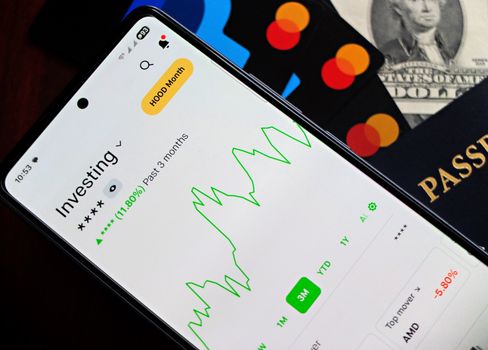 Photo: DΛVΞ GΛRCIΛ / Pexels
When evaluating the best investment apps for beginners, several platforms consistently rise to the top due to their user-friendliness, low costs, and educational resources. Each app caters to slightly different needs, so understanding their unique offerings is key to finding your perfect match.
**Fidelity:** Often lauded for its comprehensive offerings, Fidelity provides a robust platform suitable for beginners and experienced investors alike. Its standout features include zero-commission stock and ETF trades, access to a vast array of mutual funds with low expense ratios, and fractional share investing. For beginners, Fidelity's educational hub, 'Fidelity Learn,' is a treasure trove of articles, videos, and webinars that break down complex investing concepts. They also offer excellent customer support and a wide range of investment products, from simple index funds to more complex options if you decide to grow your portfolio. Their user interface is clean and intuitive, making navigation straightforward even for first-timers.
**Schwab Intelligent Portfolios:** For those who prefer a hands-off approach, Schwab Intelligent Portfolios offers a robo-advisor service that builds, monitors, and rebalances your portfolio automatically based on your financial goals and risk tolerance. The best part? There are no advisory fees. You only pay the expense ratios of the ETFs in your portfolio. This makes it an incredibly cost-effective way to get diversified exposure to the market without needing to make active investment decisions. While it requires a slightly higher minimum to start ($5,000 for the core service), its simplicity and fee structure make it a compelling option for beginners who want professional management without the high cost.
**Vanguard Digital Advisor:** Vanguard, known for its low-cost index funds and ETFs, extends its philosophy to its robo-advisor service, Vanguard Digital Advisor. This service provides personalized financial plans and automatically manages your investments with Vanguard's signature low-cost funds. It's ideal for beginners who want a set-it-and-forget-it approach with the backing of a highly respected investment firm. While it has a $3,000 minimum to start, its advisory fees are competitive, and the emphasis on broad market index funds means you're getting a well-diversified portfolio from the outset. Their app is straightforward, focusing on key performance metrics and progress toward your goals.
**Acorns:** Perfect for micro-investing, Acorns rounds up your everyday purchases to the nearest dollar and invests the spare change into a diversified portfolio of ETFs. This 'round-up' feature makes investing feel effortless and almost invisible, allowing beginners to start building wealth without actively thinking about transferring large sums. Acorns also offers IRA accounts and checking accounts, integrating investing into your daily financial life. While it charges a small monthly fee ($3-$9 depending on the tier), the ease of use and automated savings mechanism make it an excellent entry point for those intimidated by traditional investing.
**Robinhood:** Robinhood popularized commission-free trading and has a very user-friendly interface that appeals to younger investors. It allows easy access to stocks, ETFs, options, and even cryptocurrencies. While its simplicity is a major draw, beginners should exercise caution and utilize its educational resources to understand the risks involved with individual stock picking. Robinhood offers fractional shares and a clean, mobile-first experience, making it easy to buy and sell. However, it provides less guidance than robo-advisors, requiring more self-direction from the user. It's best for beginners who want to actively learn about individual stocks and have a slightly higher risk tolerance.
**SoFi Invest:** SoFi Invest offers a hybrid approach, providing both active investing (stocks, ETFs, crypto) and automated investing (robo-advisor). Their automated investing option is free of advisory fees, making it an attractive choice for beginners looking for diversified, managed portfolios. SoFi also stands out with its robust suite of financial products, including banking, loans, and career services, creating a holistic financial ecosystem. Their app is modern and easy to navigate, and they emphasize financial education, helping users understand their investments. The ability to switch between self-directed and automated investing as you gain confidence is a major plus.
Key Features to Look For: What Makes an Investment App Beginner-Friendly?
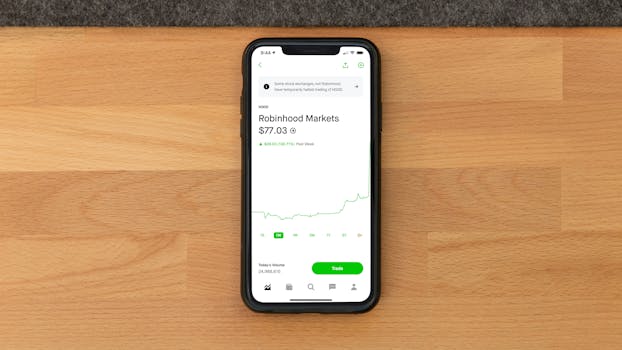 Photo: Andrew Neel / Pexels
Choosing the right investment app when you're just starting out can feel like navigating a maze. However, focusing on specific features designed for novices can significantly simplify the decision-making process. The best investment apps for beginners prioritize ease of use, cost-effectiveness, and educational support, ensuring that new investors feel empowered, not overwhelmed.
First and foremost, **user-friendliness and intuitive design** are paramount. A beginner-friendly app should have a clean, uncluttered interface that makes it easy to navigate, understand portfolio performance, and execute trades (if self-directed). Complex charts, jargon-filled menus, and convoluted processes are deterrents. Look for apps that simplify the investment process, perhaps through guided onboarding or clear, concise explanations of each step. The ability to quickly find what you need and understand what you're doing is crucial for building confidence.
**Low or no fees** are another critical consideration. For beginners, every dollar saved on fees is another dollar that can be invested and grow. Seek out apps that offer commission-free trading for stocks and ETFs. If you opt for a robo-advisor, compare advisory fees, which can range from 0% to 0.50% of assets under management. Be mindful of hidden fees, such as account maintenance fees or fees for specific types of transactions. Transparency in fee structure is a hallmark of a trustworthy platform.
**Low minimum investment requirements** are essential for those starting with limited capital. Many traditional brokerages required hundreds or even thousands of dollars to open an account. Today, many apps allow you to start investing with as little as $1, or even just your spare change. The ability to invest in **fractional shares** is also a game-changer, allowing beginners to own a piece of high-priced stocks like Amazon or Google without needing to buy a full share. This lowers the barrier to entry and encourages consistent investing, even if it's just a few dollars at a time.
**Educational resources and tools** are arguably the most valuable feature for new investors. The best apps don't just facilitate investing; they teach you how to invest wisely. Look for in-app articles, videos, webinars, glossaries, and tutorials that explain market fundamentals, investment strategies, risk management, and diversification. Some apps offer simulated trading accounts (paper trading) where you can practice without real money. This educational support helps demystify the stock market and empowers users to make informed decisions rather than relying on guesswork.
**Diversification options** are also key. A beginner should not put all their eggs in one basket. Apps that offer easy access to diversified portfolios, such as ETFs (Exchange Traded Funds) or mutual funds, or robo-advisors that automatically build diversified portfolios, are highly beneficial. These options spread your risk across many different assets, reducing the impact of any single poor-performing investment. Finally, **strong customer support** is important. When you're new to investing, questions will arise. Access to responsive and knowledgeable customer service via chat, email, or phone can provide peace of mind and help resolve any issues quickly. For further reading on managing your money, explore our guide on
building a budget.
Common Mistakes Beginners Make and How to Avoid Them with the Right App
 Photo: Yan Krukau / Pexels
Starting your investment journey is exciting, but it's also easy to fall into common traps that can hinder your progress. Being aware of these pitfalls and utilizing the right investment app can help you navigate the market more effectively.
**1. Not Diversifying:** One of the most common mistakes is putting all your money into a single stock or a few related investments. This exposes you to significant risk. If that one company or sector performs poorly, your entire portfolio suffers.
* **How the Right App Helps:** Robo-advisors (like Schwab Intelligent Portfolios or Vanguard Digital Advisor) automatically create diversified portfolios tailored to your risk tolerance. Apps that offer easy access to ETFs and mutual funds (like Fidelity or SoFi Invest) also simplify diversification, as these funds inherently hold a basket of different assets.
**2. Panicking During Market Downturns:** The stock market is cyclical, and downturns are a normal, albeit uncomfortable, part of the process. Selling all your investments in a panic during a dip often locks in losses and causes you to miss the subsequent recovery.
* **How the Right App Helps:** Many apps provide educational content explaining market volatility and the importance of long-term investing. Robo-advisors are designed to keep you invested through market fluctuations, often rebalancing to maintain your target allocation, which can prevent emotional selling.
**3. Chasing Hot Stocks or Trends:** It's tempting to jump on the bandwagon of the latest trending stock or cryptocurrency, often driven by social media hype. However, these investments can be highly volatile and often lead to significant losses for those who buy at the peak.
* **How the Right App Helps:** Apps that focus on automated, diversified portfolios help beginners avoid the temptation of speculative trading. Even self-directed apps like Fidelity offer extensive research tools to help you evaluate companies based on fundamentals rather than hype.
**4. Not Understanding Fees:** High fees, even seemingly small percentages, can eat significantly into your long-term returns. Many beginners overlook this crucial aspect.
* **How the Right App Helps:** The best beginner apps are transparent about their fee structures, often boasting zero-commission trades for stocks/ETFs or very low advisory fees for robo-advisors. Comparing fee schedules before committing to an app is vital.
**5. Investing Without a Goal:** Without clear financial goals (e.g., retirement, house down payment, child's education), your investments lack direction, and it's harder to stay motivated or make appropriate risk decisions.
* **How the Right App Helps:** Many robo-advisors prompt you to define your goals and timeline during setup, then build a portfolio accordingly. Some apps also offer goal-tracking features, showing your progress toward your objectives.
**6. Starting Too Late or Waiting for the 'Perfect Time':** The biggest mistake is often simply not starting. Many beginners wait for more money, more knowledge, or a 'better' market condition. Time in the market generally beats timing the market.
* **How the Right App Helps:** Apps like Acorns make it incredibly easy to start with very small amounts, removing the barrier of needing a large lump sum. The ease of setup and low minimums on many platforms encourage immediate action.
By choosing an app that aligns with your learning style and risk tolerance, and by being mindful of these common pitfalls, beginners can set themselves up for a much more successful and less stressful investing experience.
**Key Takeaways for Avoiding Mistakes:**
* **Diversify:** Don't put all your eggs in one basket; use ETFs or robo-advisors.
* **Stay the Course:** Avoid emotional decisions during market volatility.
* **Research:** Don't chase hype; understand what you're investing in.
* **Mind the Fees:** Choose low-cost platforms.
* **Set Goals:** Invest with a purpose.
* **Start Now:** Don't delay; time is your greatest asset in investing.
