Uncover the Best Robo Advisors for Investors: Your Guide
July 21, 2026 15 min read 2,978 words
Find the perfect automated investment platform to grow your wealth with minimal effort and expert guidance.
Start Investing Smarter
Understanding Robo Advisors: A Modern Approach to Investing
 Photo: RDNE Stock project / Pexels
In an increasingly digital world, the way we manage our finances has undergone a significant transformation. Traditional financial advisory services, while valuable, often come with high fees and require substantial assets to get personalized attention. This is where robo advisors step in, democratizing access to professional investment management. At its core, a robo advisor is an automated digital platform that provides algorithm-driven financial planning services with little to no human supervision. These platforms leverage sophisticated software to build, manage, and rebalance investment portfolios tailored to individual investor profiles.
The genesis of robo advisors can be traced back to the aftermath of the 2008 financial crisis, when investors sought more transparent, cost-effective, and accessible ways to manage their money. Early innovators recognized the potential of technology to automate many of the functions traditionally performed by human advisors, such as asset allocation, diversification, and rebalancing. By streamlining these processes, robo advisors can offer their services at a fraction of the cost, making professional-grade investing attainable for a much broader audience, including those with smaller initial investments.
The typical process begins with a comprehensive questionnaire designed to gauge your financial goals, risk tolerance, time horizon, and current financial situation. This input is crucial; it allows the algorithm to construct a portfolio that aligns with your specific needs. The portfolios are almost always composed of low-cost Exchange Traded Funds (ETFs) and sometimes mutual funds, spanning various asset classes like stocks, bonds, and even real estate. This diversification is key to managing risk and optimizing returns over the long term. Once your portfolio is established, the robo advisor takes over, continuously monitoring market fluctuations and automatically rebalancing your holdings to maintain the target asset allocation. Some advanced platforms also offer tax-loss harvesting, a strategy that sells investments at a loss to offset capital gains and reduce your tax liability, further enhancing returns.
For many, the appeal of robo advisors lies in their simplicity and hands-off approach. They remove the emotional element from investing, ensuring decisions are based on data and predefined strategies rather than panic or euphoria. This makes them particularly attractive to new investors who may feel overwhelmed by the complexities of the stock market, or busy professionals who lack the time to actively manage their portfolios. However, it's not just beginners who benefit; even seasoned investors can leverage robo advisors for specific goals, or to manage a portion of their assets with efficiency. The rise of these platforms has undeniably reshaped the investment landscape, offering a compelling alternative for those seeking efficient, affordable, and intelligent wealth management solutions. Understanding these fundamental aspects is the first step in identifying the
best robo advisors for investors that align with your personal financial journey. They represent a significant shift towards accessible financial empowerment, proving that sophisticated investing doesn't have to be exclusive or overly expensive.
Key Factors to Consider When Choosing a Robo Advisor
 Photo: RDNE Stock project / Pexels
With a growing number of robo advisors available in the market, selecting the right one can feel daunting. To make an informed decision, it's essential to evaluate several key factors that directly impact your investment experience and potential returns. The first and arguably most critical consideration is fees. Robo advisors typically charge an annual advisory fee, expressed as a percentage of assets under management (AUM). This can range from as low as 0.25% to 0.50% or more, depending on the services offered. While these percentages may seem small, they can significantly impact your long-term returns due to compounding. Always compare the advisory fees alongside any underlying ETF expense ratios, as these combine to form your total cost of investing.
Minimum investment requirements are another crucial factor, especially for new investors or those with limited capital. Some robo advisors have no minimums, allowing you to start investing with as little as $0, while others might require hundreds or even thousands of dollars. Understanding these thresholds will help you narrow down options that are accessible to your current financial situation. Beyond just getting started, consider the ongoing contribution options and whether the platform supports automated deposits, which can be a powerful tool for consistent wealth building.
Next, assess the range of services and features offered. While all robo advisors provide automated portfolio management, some go further. Look for features like automatic rebalancing, which ensures your portfolio stays aligned with your target asset allocation, and tax-loss harvesting, a sophisticated strategy that can reduce your tax burden. Some premium robo advisors offer access to human financial advisors for more personalized guidance, either on-demand or as part of a hybrid model. This can be invaluable for complex financial planning needs, such as retirement planning, estate planning, or major life events. The availability of diverse account types, such as taxable brokerage accounts, IRAs (Roth, Traditional, SEP), and even 529 college savings plans, is also important, as it determines how comprehensive your financial planning can be with a single provider.
Finally, consider the user experience and customer support. A user-friendly interface, whether on a desktop or mobile app, can make managing your investments a seamless and enjoyable process. Look for clear dashboards, easy-to-understand performance reports, and intuitive navigation. Robust customer support, whether through phone, email, or chat, is also vital for when you have questions or encounter issues. Reading reviews and trying out demo accounts, if available, can give you a good sense of the platform's usability. By carefully weighing these factors – fees, minimums, features, and user experience – you can confidently choose a robo advisor that not only meets your investment needs but also aligns with your comfort level and financial goals.
Top Contenders: Best Robo Advisors for Investors in the US
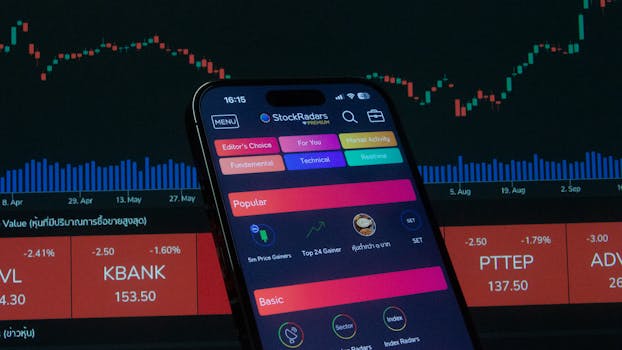 Photo: StockRadars Co., / Pexels
Navigating the landscape of robo advisors can be overwhelming, given the multitude of options. To simplify your search for the
best robo advisors for investors in the US, we've highlighted some of the leading contenders, each with its unique strengths and target audience. Understanding their core offerings will help you identify which platform best aligns with your financial aspirations.
**Betterment** stands out as one of the pioneers and most popular robo advisors. It's renowned for its user-friendly interface, low fees (starting at 0.25% AUM), and sophisticated features like tax-loss harvesting, automatic rebalancing, and goal-based investing. Betterment offers a wide range of diversified portfolios, including socially responsible investing (SRI) options. For those seeking a blend of automation and human advice, Betterment Premium provides unlimited access to certified financial planners for a slightly higher fee. This hybrid approach caters to investors who appreciate the efficiency of algorithms but also value personalized guidance for complex situations. Its diverse account types, from taxable accounts to various IRAs, make it versatile for most investors.
**Wealthfront** is another industry leader, often compared directly with Betterment due to its similar fee structure (0.25% AUM) and advanced features. Wealthfront distinguishes itself with its robust Path financial planning tool, which provides a holistic view of your financial future, including projections for retirement, homeownership, and college savings. It offers advanced tax-loss harvesting strategies, including single-stock tax-loss harvesting for larger portfolios, which can be highly beneficial for high-net-worth individuals. Wealthfront's focus on technology-driven solutions and direct indexing for larger accounts (over $100,000) makes it particularly appealing to tech-savvy investors looking for maximum tax efficiency and comprehensive digital planning.
**Fidelity Go** presents a compelling option for those who already bank with Fidelity or prefer a major financial institution. With a lower advisory fee (0.35% AUM for accounts over $25,000, and no advisory fee for accounts under $25,000), it offers a cost-effective entry point. Fidelity Go constructs portfolios using Fidelity Flex® mutual funds, which have no expense ratios. This means investors only pay the advisory fee, making the cost structure very transparent. While it might not offer all the bells and whistles of independent robo advisors like Betterment or Wealthfront, its integration with Fidelity's broader ecosystem of financial products and services, along with its strong brand reputation, provides a sense of security and convenience for many.
**Schwab Intelligent Portfolios** offers a unique value proposition: zero advisory fees. This is a significant draw, as investors only pay the underlying ETF expense ratios. Schwab achieves this by including a cash allocation in its portfolios, which it earns interest on. While the lack of an advisory fee is attractive, some investors might find the mandatory cash allocation impacts their overall returns. For those with larger balances ($25,000+), Schwab Intelligent Portfolios Premium offers unlimited access to a CFP® professional for a one-time planning fee and a monthly advisory fee, combining the best of both worlds. It’s an excellent choice for cost-conscious investors who are comfortable with the cash allocation.
**Vanguard Digital Advisor** is a strong contender for those who prioritize low costs and passive investing, aligning with Vanguard's core philosophy. It offers competitive fees (approximately 0.15% AUM, including underlying ETF expense ratios) and uses Vanguard ETFs to build diversified portfolios. It's designed for investors who want a straightforward, low-cost approach to long-term wealth building, leveraging Vanguard's reputation for investor-friendly practices. While it may not offer the most advanced planning tools or human advisor access as standard, its simplicity and cost-effectiveness make it a solid choice for many, especially those who already hold Vanguard funds. Each of these robo advisors offers a distinct path to automated investing, and the best choice ultimately depends on your individual financial situation, preferences, and long-term goals.
Maximizing Your Robo Advisor Experience: Tips and Common Mistakes
 Photo: Leeloo The First / Pexels
To truly get the most out of your robo advisor, it's not enough to simply sign up and fund an account. Strategic engagement and avoiding common pitfalls can significantly enhance your investment journey and help you achieve your financial goals more effectively. Here are some key tips and mistakes to avoid:
**Tips for Maximizing Your Experience:**
* **Be Honest and Thorough in Your Initial Assessment:** The algorithms rely on your input regarding risk tolerance, goals, and time horizon. Providing accurate information ensures your portfolio is genuinely tailored to your needs. Don't underestimate your risk tolerance or overstate your investment horizon.
* **Set Up Automated Contributions:** Consistency is paramount in investing. By setting up regular, automated deposits, you embrace dollar-cost averaging, reducing the impact of market volatility and building wealth steadily over time. Even small, consistent contributions add up.
* **Understand Your Portfolio:** While robo advisors handle the day-to-day management, take the time to understand the underlying assets (ETFs, mutual funds) and their asset allocation. This knowledge empowers you and helps you stay disciplined during market downturns.
* **Leverage Advanced Features:** If your robo advisor offers features like tax-loss harvesting, socially responsible investing (SRI) options, or specific goal-based planning tools, utilize them. These can optimize your returns, align investments with your values, or provide clearer pathways to specific financial milestones.
* **Periodically Review Your Goals:** Life circumstances change. Revisit your financial goals, risk tolerance, and time horizon annually or after significant life events (marriage, new child, job change). Most robo advisors make it easy to update your profile, ensuring your portfolio remains suitable.
**Common Mistakes to Avoid:**
* **Chasing Returns:** Don't switch robo advisors or drastically alter your portfolio based on short-term market fluctuations or the latest investment fad. Robo advisors are designed for long-term growth; patience and discipline are crucial.
* **Ignoring Fees:** While generally lower than human advisors, fees still matter. Don't overlook the impact of advisory fees combined with underlying ETF expense ratios. Over decades, even small fee differences can amount to substantial sums.
* **Not Understanding Tax Implications:** Be aware of how your investments are taxed. If you're investing in a taxable brokerage account, understand capital gains and dividends. Utilize tax-advantaged accounts like IRAs and 401(k)s first, if available.
* **Over-Tinkering with Your Portfolio:** The beauty of a robo advisor is its automation. Constantly making manual adjustments or trying to time the market defeats the purpose and can lead to worse outcomes. Trust the algorithm and its long-term strategy.
* **Underestimating Customer Support:** While mostly automated, there will be times you need human assistance. Neglecting to check the quality and availability of customer support before committing can lead to frustration down the line.
By following these tips and avoiding common mistakes, you can ensure that your chosen robo advisor becomes a powerful tool in achieving your financial independence and securing your future. Remember, automated investing is a marathon, not a sprint, and a thoughtful approach yields the best results.
