✓ They are ideal for small investors due to low minimums and affordable fees.
✓ Portfolios are typically diversified across ETFs and tailored to your risk tolerance.
✓ Many offer features like automatic rebalancing, tax-loss harvesting, and fractional shares.
How It Works
1
Assess Your Financial Profile
You'll answer a few questions about your financial goals, time horizon, and risk tolerance. This helps the robo advisor understand your investment needs.
2
Receive Portfolio Recommendation
Based on your profile, the platform suggests a diversified portfolio, usually composed of low-cost exchange-traded funds (ETFs). This portfolio aligns with your risk level.
3
Fund Your Account
You link a bank account and deposit your initial investment, meeting the platform's minimum. You can also set up recurring deposits to automate your savings.
4
Automated Management & Growth
The robo advisor continuously monitors and rebalances your portfolio to maintain your target asset allocation. Some also offer advanced features like tax-loss harvesting to optimize returns.
Understanding Robo Advisors: A Game-Changer for Beginner Investors
Photo: Alesia Kozik / Pexels
For many years, professional investment management was largely out of reach for individuals with smaller sums to invest. Traditional financial advisors often required substantial minimums, sometimes in the tens or even hundreds of thousands of dollars, making it difficult for new investors or those just starting to build wealth to access expert guidance. This created a significant barrier, leaving many to navigate the complexities of the stock market on their own or simply avoid investing altogether. However, the advent of robo advisors has democratized investing, making sophisticated portfolio management accessible and affordable for virtually everyone, especially small investors.
Robo advisors are digital platforms that provide automated, algorithm-driven financial planning services with little to no human supervision. They leverage technology to construct and manage diversified investment portfolios based on your financial goals, risk tolerance, and time horizon. Instead of paying a human advisor a percentage of your assets (which can be costly for smaller accounts) or a flat fee, robo advisors typically charge a much lower annual management fee, often a fraction of a percent of your assets under management (AUM). This cost-effectiveness is a primary reason they are considered the best option for small investors.
When you sign up for a robo advisor, you typically go through an online questionnaire that assesses your financial situation. Questions might cover your age, income, investment goals (e.g., retirement, down payment for a house), how long you plan to invest, and your comfort level with market fluctuations. Based on your responses, the algorithm recommends a suitable portfolio. These portfolios are generally constructed using a mix of low-cost exchange-traded funds (ETFs) that provide broad diversification across various asset classes, such as stocks, bonds, and sometimes real estate or commodities. This diversification is crucial for mitigating risk and is a cornerstone of sound investment strategy.
One of the most significant advantages for small investors is the low or non-existent minimum investment requirements of many robo advisors. Some platforms allow you to start with as little as $0, while others might require $50 or $100. This low barrier to entry means you don't need a large lump sum to begin investing and can start building wealth with whatever you can afford. Furthermore, robo advisors often support fractional shares, meaning you can invest every dollar you deposit, even if it's not enough to buy a full share of an expensive ETF. This ensures your money is always working for you.
Beyond initial setup, robo advisors handle the ongoing management of your portfolio. This includes automatic rebalancing, where the platform periodically adjusts your portfolio back to its target asset allocation as market fluctuations cause it to drift. For example, if stocks perform exceptionally well and now represent a larger portion of your portfolio than intended, the robo advisor will sell some stocks and buy more bonds to restore your original allocation. This disciplined approach helps maintain your desired risk level without you needing to constantly monitor the markets. Some advanced robo advisors also offer features like tax-loss harvesting, which can help reduce your tax burden by selling investments at a loss to offset capital gains. These sophisticated strategies, once only available to high-net-worth individuals, are now accessible to small investors through these automated platforms.
Key Features and Benefits of Top Robo Advisors for Small Investors
Photo: Leeloo The First / Pexels
When evaluating the best robo advisors for small investors, several key features and benefits stand out, making them particularly attractive for those just starting their investment journey or looking for a hands-off approach. Understanding these aspects can help you choose the platform that best aligns with your financial needs and goals.
Firstly, the low management fees are a major draw. Traditional financial advisors often charge 1% or more of assets under management annually. While this might seem small, it can significantly eat into your returns over time, especially with larger portfolios. Robo advisors, conversely, typically charge between 0.25% and 0.50% per year. For a small investor, this difference can mean hundreds or even thousands of dollars saved annually, allowing more of your money to stay invested and compound. Some platforms even offer free management for accounts below a certain threshold, further reducing costs for those with minimal capital.
Secondly, the simplicity and ease of use are paramount. Robo advisors are designed with user experience in mind, featuring intuitive interfaces and streamlined onboarding processes. You don't need to be an investment expert to get started; the platform guides you through every step. This accessibility removes much of the intimidation factor often associated with investing, empowering small investors to take control of their financial future without feeling overwhelmed. The automated nature means you can set it and forget it, allowing your investments to grow without constant attention.
Diversification is another critical benefit. Robo advisors build globally diversified portfolios using low-cost ETFs. This means your investments are spread across various companies, industries, and geographic regions, reducing the risk associated with any single investment. For a small investor who might not have the knowledge or resources to build such a diversified portfolio manually, this automated approach provides a robust and resilient investment strategy from day one. Many platforms also offer socially responsible investing (SRI) options, allowing you to align your investments with your values.
Automatic rebalancing, as mentioned earlier, is a cornerstone feature. Market fluctuations can cause your portfolio's asset allocation to drift from its target. For instance, if stocks outperform bonds, your portfolio might become overweight in stocks, increasing its overall risk. Robo advisors automatically rebalance your portfolio periodically, selling assets that have grown too large and buying those that have lagged, ensuring your risk level remains consistent with your initial assessment. This disciplined approach prevents emotional decision-making and keeps your long-term strategy on track.
Finally, many top robo advisors offer additional features that enhance their value proposition. Tax-loss harvesting, for example, is a sophisticated strategy that involves selling investments at a loss to offset capital gains and potentially reduce your taxable income. While more complex, some robo advisors offer this automatically, providing a significant benefit, especially in taxable accounts. Access to human financial advisors, even if for an additional fee or for specific tiers, is also becoming more common, blending the best of both automated and traditional advice. These combined features make robo advisors an incredibly powerful tool for small investors looking to maximize their returns and minimize effort.
Choosing the Right Robo Advisor: What Small Investors Should Look For
Photo: cottonbro studio / Pexels
Selecting the best robo advisor for your specific needs as a small investor requires careful consideration of several factors. While many platforms offer similar core services, their nuances in fees, features, and minimums can make a significant difference in your long-term investment success. Understanding what to prioritize will help you make an informed decision and find a platform that truly supports your financial journey.
First and foremost, consider the minimum investment requirement. As a small investor, this is often the most critical barrier to entry. Some robo advisors have no minimums, allowing you to start with just a few dollars, while others might require $500 or more. Platforms like Fidelity Go or Schwab Intelligent Portfolios often have very low or no minimums, making them highly accessible. Ensure the minimum aligns with what you can comfortably invest initially and on an ongoing basis. The ability to invest small, regular amounts is key to consistent wealth building, so look for platforms that facilitate this with features like recurring deposits.
Next, thoroughly examine the fee structure. Robo advisor fees are typically expressed as an annual percentage of your assets under management (AUM). These fees can range from 0% (for basic services or smaller balances) to around 0.50%. While seemingly small, these percentages compound over time, so a lower fee can lead to substantially more wealth in the long run. Be aware of any additional costs, such as expense ratios of the underlying ETFs (which are generally very low but still exist) or fees for premium services like access to human advisors. For small investors, minimizing fees is paramount to maximizing returns, as every dollar saved on fees is a dollar that remains invested and can grow. Understanding investment fees is crucial.
Consider the range of investment options and features. While most robo advisors offer diversified portfolios of ETFs, some provide more specialized options. Do you want access to socially responsible investing (SRI) portfolios? Are you interested in tax-loss harvesting for taxable accounts? Some platforms offer more sophisticated tools or access to specific investment types, such as real estate or cryptocurrency (though these are less common for basic robo advisors). For small investors, the core offering of diversified, low-cost ETFs is usually sufficient, but knowing what's available can help you plan for future needs.
Evaluate the level of human support available. While robo advisors are primarily automated, some offer hybrid models that provide access to human financial advisors for an additional fee or at higher asset tiers. If you anticipate needing personalized advice for complex financial planning questions, a hybrid model might be a good fit. For those comfortable with a fully automated approach, a pure robo advisor will suffice and typically come with lower fees. However, even purely automated platforms usually offer customer support for technical issues or basic account inquiries.
Finally, assess the user experience and educational resources. A platform that is easy to navigate, with clear dashboards and intuitive tools, will make your investing journey much smoother. Many robo advisors also provide excellent educational content, articles, and webinars to help you understand investing concepts. For small investors who might be new to the financial world, these resources can be invaluable in building confidence and knowledge. Look for platforms that empower you with information, not just automation.
Common Mistakes Small Investors Make and How Robo Advisors Help Avoid Them
Photo: https://kaboompics.com/ / Pexels
Small investors, especially those new to the market, often fall prey to common pitfalls that can hinder their long-term financial growth. Robo advisors are uniquely positioned to help mitigate these mistakes, providing a disciplined and automated approach to investing. Understanding these errors and how robo advisors counteract them can significantly improve your investment outcomes.
**1. Emotional Investing:** One of the biggest mistakes is letting emotions dictate investment decisions. Panicking during market downturns and selling low, or getting overly enthusiastic during market highs and buying high, are classic examples. Robo advisors remove emotion from the equation entirely. They stick to a predetermined investment strategy based on your risk tolerance, automatically rebalancing your portfolio without human intervention, regardless of market sentiment. This disciplined approach ensures you stay invested for the long term, which is crucial for compounding returns.
**2. Lack of Diversification:** Small investors often put all their eggs in one basket, investing in a few individual stocks they hear about or understand. This lack of diversification exposes them to significant risk. If one or two of those companies perform poorly, their entire portfolio suffers. Robo advisors, by design, build globally diversified portfolios using a broad range of low-cost ETFs. This spreads your investment across thousands of companies and various asset classes, significantly reducing idiosyncratic risk.
**3. High Fees and Trading Costs:** Manually managing a portfolio can lead to frequent trading, incurring commissions, and potentially higher expense ratios for actively managed funds. These costs eat into returns, especially for smaller portfolios where every dollar counts. Robo advisors typically charge low annual management fees and invest in low-cost ETFs, minimizing expense ratios. Furthermore, their automated rebalancing is often done efficiently, reducing unnecessary trading and associated costs.
**4. Inconsistent Contributions:** Building wealth requires consistent investing, regardless of market conditions. Small investors sometimes struggle with this discipline, investing sporadically or stopping contributions during downturns. Robo advisors make it easy to set up recurring deposits, automating your contributions directly from your bank account. This 'set it and forget it' approach ensures you consistently invest, taking advantage of dollar-cost averaging, where you buy more shares when prices are low and fewer when prices are high.
**5. Neglecting Rebalancing and Tax Efficiency:** Over time, market movements can cause your portfolio's asset allocation to drift from its target. Manually rebalancing requires knowledge and effort. Similarly, optimizing for tax efficiency (like tax-loss harvesting) is complex. Robo advisors automate both. They periodically rebalance your portfolio to maintain your desired risk level and, for many platforms, automatically implement tax-loss harvesting in taxable accounts, helping you maximize after-tax returns. These sophisticated strategies are often beyond the scope of a typical small investor managing their own funds.
By leveraging the automated, disciplined, and cost-effective nature of robo advisors, small investors can effectively avoid these common pitfalls and build a solid foundation for their financial future.
Comparison
Feature
Betterment
Wealthfront
Fidelity Go
Schwab Intelligent Portfolios
Minimum Investment
$10
$500
$0
$0
Annual Fee (AUM)
0.25% - 0.40%
0.25%
0% (<$25k), 0.35% (>$25k)
0%
Tax-Loss Harvesting
✓
✓
✗
✗
Human Advisor Access
Hybrid Plans
Premium Plans
Hybrid Plans
✗ (Human advisors available for other Schwab services)
SRI Options
✓
✓
✓
✓
Fractional Shares
✓
✓
✓
✓
What Readers Say
★★★★★
"As a new investor, I was overwhelmed. Betterment made it incredibly easy to start with just $10 and their low fees mean more of my money is growing. I love the automatic rebalancing feature."
Sarah L. · Austin, TX
★★★★★
"Wealthfront has been fantastic for me. The tax-loss harvesting feature is a huge plus, and I appreciate how hands-off the whole process is. My portfolio has seen consistent growth."
Mark T. · Chicago, IL
★★★★★
"I started with Fidelity Go with literally zero dollars and now have a growing retirement fund. The interface is super user-friendly, and it's amazing how much I've learned just by using it."
Jessica R. · Denver, CO
★★★★★
"Schwab Intelligent Portfolios offers great value with no advisory fees, which is hard to beat. I wish they had tax-loss harvesting for smaller accounts, but overall, it's a solid choice for passive investing."
David P. · Miami, FL
★★★★★
"I use a robo advisor for my emergency fund savings and another for my long-term investments. The ability to set different goals and risk levels for each account has been incredibly helpful for my financial planning."
Emily K. · Seattle, WA
Frequently Asked Questions
What is the absolute minimum I need to start with a robo advisor?
Many of the best robo advisors for small investors, such as Fidelity Go and Schwab Intelligent Portfolios, offer $0 minimums to open an account. Others like Betterment allow you to start with as little as $10. This low barrier to entry makes them highly accessible for beginners.
Are robo advisors safe for my investments?
Yes, robo advisors are generally safe. Your investments are held by regulated brokerage firms, and accounts are typically protected by SIPC (Securities Investor Protection Corporation) up to $500,000. While market fluctuations can impact investment value, the platforms themselves employ robust security measures.
How do I choose the best robo advisor for my specific goals?
To choose the best robo advisor, consider your initial investment amount, desired fee structure, whether you need human advice, and specific features like socially responsible investing or tax-loss harvesting. Compare a few top options to see which aligns best with your financial goals and comfort level.
Are robo advisors cheaper than traditional financial advisors?
Generally, yes. Robo advisors typically charge an annual management fee ranging from 0% to 0.50% of your assets. Traditional human financial advisors often charge 1% or more, making robo advisors significantly more cost-effective, especially for smaller investment portfolios.
How do robo advisors compare to just investing in index funds myself?
While you can invest in index funds yourself, robo advisors offer automated portfolio construction, diversification, rebalancing, and sometimes tax-loss harvesting. They provide a hands-off, disciplined approach that can be beneficial if you lack the time, knowledge, or discipline to manage your own portfolio effectively.
Who should use robo advisors for small investments?
Robo advisors are ideal for new investors, those with smaller sums to invest, individuals seeking a hands-off approach to portfolio management, and anyone looking for low-cost, diversified investment solutions without needing extensive financial planning advice from a human advisor.
What happens if the robo advisor company goes out of business?
If a robo advisor company goes out of business, your investments are typically safe. Your assets are held by a custodian (a large brokerage firm) separate from the robo advisor itself. These accounts are usually SIPC-insured, meaning your securities are protected up to $500,000, and you would likely be able to transfer your assets to another brokerage.
What are the future trends for robo advisors?
Future trends for robo advisors include increased personalization, integration with broader financial planning tools (like budgeting and debt management), more sophisticated AI-driven advice, and expanded offerings in alternative investments. Hybrid models combining automated advice with human interaction are also expected to grow.
Ready to take control of your financial future? Explore the best robo advisors for small investors today and start building wealth with intelligent, automated investing. It's never been easier or more affordable to put your money to work for you.

 Photo: Alesia Kozik / Pexels
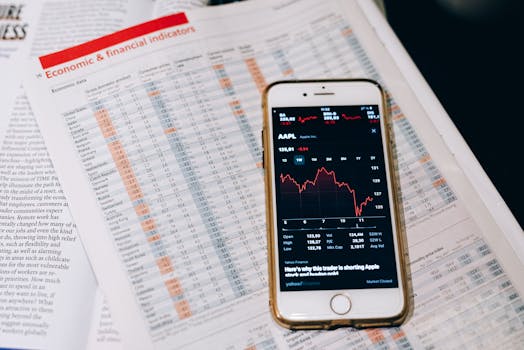 Photo: Leeloo The First / Pexels
 Photo: cottonbro studio / Pexels
 Photo: https://kaboompics.com/ / Pexels