✓ An emergency fund should cover 3-6 months of essential living expenses.
✓ Accessibility and liquidity are paramount for emergency funds.
✓ High-yield savings accounts are often the best choice for emergency funds.
✓ FDIC insurance protects your deposits up to $250,000 per depositor, per institution.
How It Works
1
Calculate Your Target Amount
Determine your essential monthly expenses and multiply by 3-6 months. This gives you a clear savings goal.
2
Choose the Right Account
Opt for a high-yield savings account that offers good interest rates, easy access, and FDIC insurance. Avoid investment accounts.
3
Automate Your Savings
Set up automatic transfers from your checking account to your emergency fund each payday. Consistency is key to reaching your goal.
4
Review and Replenish
Regularly review your fund to ensure it still meets your needs as expenses change. If you use it, replenish it promptly.
Understanding the Core Purpose of an Emergency Fund
Photo: Atlantic Ambience / Pexels
Before diving into specific emergency fund savings account requirements, it's crucial to grasp the fundamental purpose of this financial tool. An emergency fund is not a savings account for a down payment on a house, a vacation, or a new car. It is a dedicated pool of money specifically set aside to cover unexpected and essential expenses that could otherwise derail your financial stability. Think of it as your personal financial airbag, ready to deploy when life throws a curveball. These unexpected events can range from job loss, medical emergencies, car repairs, or unforeseen home maintenance issues. Without an emergency fund, such events often lead to accumulating high-interest debt, liquidating long-term investments prematurely, or experiencing severe financial stress. The core purpose is to provide a buffer, allowing you to navigate these challenges without compromising your long-term financial goals or falling into a debt spiral. It provides peace of mind, knowing that you have a safety net to rely on. The distinction between an emergency fund and other savings or investment vehicles is paramount. While other accounts aim for growth or specific purchase goals, an emergency fund prioritizes liquidity, safety, and accessibility. You need to be able to get to this money quickly and without penalty when an emergency strikes. This core understanding will inform every decision you make regarding where and how to store these vital funds. Many people mistakenly believe they can rely on credit cards or personal loans in an emergency. While these options might offer immediate relief, they come with high interest rates and can quickly escalate a temporary setback into a long-term financial burden. An emergency fund, by contrast, allows you to address the issue directly, often without incurring any additional costs beyond the emergency itself. It's about proactive financial planning rather than reactive problem-solving. This foundational knowledge is the first step in truly understanding and implementing effective emergency fund strategies. For a broader view on financial planning, you might explore resources on personal finance basics. The goal is not just to save money, but to save it wisely for a specific, critical purpose.
Key Emergency Fund Savings Account Requirements: Accessibility & Liquidity
Photo: cottonbro studio / Pexels
When considering emergency fund savings account requirements, accessibility and liquidity stand out as the two most critical factors. An emergency fund, by its very definition, must be readily available when an unexpected crisis hits. This means you should be able to access your money quickly, ideally within 24-48 hours, without incurring penalties or significant delays. An account that locks up your funds for a fixed term, like a Certificate of Deposit (CD) with early withdrawal penalties, or an investment account that could lose value, is generally not suitable for your primary emergency savings. The goal is to have cash on hand, not an asset that needs to be sold or converted. Liquidity refers to how easily an asset can be converted into cash without affecting its market price. For an emergency fund, you want accounts with high liquidity. This usually points to traditional savings accounts or, more preferably, high-yield savings accounts. These accounts allow you to withdraw funds via ATM, online transfer, or in-person at a branch with minimal fuss. While a checking account offers excellent liquidity, it typically earns very little interest and might make it too easy to spend the funds on non-emergencies. Therefore, a separate, easily accessible savings account is the ideal compromise. It keeps the money distinct from your everyday spending while ensuring it's available when you need it most. It's important to differentiate between 'accessible' and 'too accessible.' The money should be somewhat out of sight, out of mind from your daily spending, but not so inaccessible that it becomes a hurdle in a true emergency. For instance, putting your emergency fund into a brokerage account where its value fluctuates with the stock market would violate the liquidity and safety requirements. Imagine needing money for a sudden medical bill only to find your investments are down 20%. That defeats the entire purpose of the fund. Similarly, a savings account with strict withdrawal limits or transfer restrictions might also be problematic. Always read the fine print of any account you consider for your emergency fund to ensure it meets these crucial accessibility and liquidity benchmarks. The best accounts strike a balance between earning a decent return and ensuring immediate availability.
The Importance of Safety and FDIC Insurance for Your Emergency Fund
Photo: RDNE Stock project / Pexels
Beyond accessibility and liquidity, the safety of your principal is a non-negotiable emergency fund savings account requirement. You cannot afford to lose your emergency money, as its primary role is to act as a financial safety net. This is where FDIC insurance becomes paramount. The Federal Deposit Insurance Corporation (FDIC) is an independent agency of the United States government that protects depositors in FDIC-insured banks against the loss of their insured deposits in the event of a bank failure. This insurance covers up to $250,000 per depositor, per insured bank, for each account ownership category. This means that if your bank goes out of business, your funds, up to that limit, are guaranteed to be returned to you. This provides an unparalleled level of security that is not available with investment products like stocks, bonds, or mutual funds. When choosing where to stash your emergency fund, always verify that the institution is FDIC-insured. Most reputable banks and credit unions in the U.S. are. You can usually find the FDIC logo prominently displayed on their websites or within their physical branches. For credit unions, the equivalent protection comes from the National Credit Union Administration (NCUA), which also insures accounts up to $250,000. Opting for an uninsured account, or one that invests your funds in volatile assets, introduces an unacceptable level of risk for money that is meant to be your financial bedrock. The peace of mind that comes with FDIC insurance is invaluable, especially during times of economic uncertainty. It ensures that your emergency fund remains exactly that: a fund you can rely on, irrespective of the financial health of the institution holding it. While earning a high interest rate is desirable, it should never come at the expense of safety and insurance. Prioritize principal protection above all else when it comes to your emergency savings. For more details on protecting your assets, consider learning about financial security strategies. This commitment to safety ensures that your emergency fund will always be there for you when you need it most, upholding its core purpose as a reliable financial buffer against life's unexpected challenges. Never compromise on the safety of these crucial funds.
Choosing the Best Emergency Fund Savings Account: Tips & Mistakes to Avoid
Photo: Leeloo The First / Pexels
When selecting the best account that meets emergency fund savings account requirements, there are several tips to follow and common mistakes to avoid.
**Tips for Choosing the Best Account:**
* **Opt for a High-Yield Savings Account (HYSA):** These accounts offer significantly higher interest rates than traditional savings accounts, allowing your emergency fund to grow, even if slowly, while maintaining liquidity and safety. Online banks often provide the best HYSA rates due to lower overhead costs.
* **Look for Zero Fees:** Ensure the account has no monthly maintenance fees or hidden charges that could erode your savings. Many online HYSAs come with no fees.
* **Verify FDIC/NCUA Insurance:** As discussed, this is non-negotiable. Always confirm the institution is federally insured.
* **Check Transfer Limits and Times:** Understand how long it takes to transfer money to your checking account and if there are any limits on withdrawals or transfers per month. Generally, six outgoing transfers per month is a common regulatory limit for savings accounts.
* **Keep it Separate:** While not a direct account requirement, storing your emergency fund in a dedicated, separate account makes it less tempting to dip into for non-emergencies. This psychological barrier is incredibly effective.
**Mistakes to Avoid:**
* **Using a Checking Account:** While liquid, checking accounts offer minimal interest and are too easily accessible for everyday spending, making it hard to build and maintain a substantial emergency fund.
* **Investing in the Stock Market:** Stocks, bonds, and mutual funds are subject to market fluctuations. Your emergency fund's value must remain stable, making investment accounts unsuitable.
* **Certificates of Deposit (CDs) for the Entire Fund:** While safe, CDs lock up your money for a fixed term, often with penalties for early withdrawal. A CD ladder might work for a *portion* of a very large emergency fund, but not the primary, immediately accessible amount.
* **Ignoring Interest Rates:** While safety is paramount, don't settle for a 0.01% APY if you can get 4-5% in an equally safe and liquid HYSA. Every little bit of growth helps combat inflation.
* **Not Setting Up Automation:** Relying on manual transfers often leads to inconsistency. Automate your savings to ensure steady growth.
Comparison
Feature
High-Yield Savings Account (HYSA)
Traditional Savings Account
Checking Account
Brokerage Account (Stocks)
Accessibility/Liquidity
Excellent (Online transfer, ATM)
Good (Branch, ATM)
Excellent (Debit card, checks)
Variable (Market dependent)
Safety (FDIC/NCUA Insured)
✓
✓
✓
✗ (Not insured against market loss)
Interest Earned
High (Competitive APY)
Low (Often near 0%)
Very Low (Often 0%)
Variable (Potential for high gains/losses)
Fees
Often zero
Can have monthly fees
Can have monthly fees
Trading fees, management fees
Suitability for Emergency Fund
Best Option
Acceptable, but suboptimal
Poor (Too accessible for spending)
Unsuitable (High risk)
What Readers Say
★★★★★
"Understanding the emergency fund savings account requirements was a game-changer for me. I moved my money to an online HYSA and now I feel so much more secure knowing it's safe and earning interest."
Sarah J. · Austin, TX
★★★★★
"This guide clearly laid out why liquidity and FDIC insurance are non-negotiable. I finally set up my emergency fund properly, separate from my checking, and it's made a huge difference to my financial peace of mind."
Mark D. · Chicago, IL
★★★★★
"Thanks to this article, I stopped keeping my emergency money in a low-interest savings account. I switched to a high-yield option and now my fund grows a little each month, which is a great motivator!"
Emily R. · Denver, CO
★★★★★
"The information on emergency fund savings account requirements was very thorough. While I wish there were more options for physical branch access with high yields, the online bank suggestion was practical and helpful for my situation."
David K. · Miami, FL
★★★★★
"As a freelancer, my income can be unpredictable. This guide gave me the clear steps I needed to build a robust emergency fund, focusing on the right account type, which has greatly reduced my financial anxiety during slow periods."
Jessica L. · Seattle, WA
Frequently Asked Questions
What is the ideal amount for an emergency fund?
Most financial experts recommend having 3 to 6 months of essential living expenses saved in your emergency fund. This includes rent/mortgage, utilities, food, transportation, and insurance. For those with unstable incomes, dependents, or specific health concerns, saving up to 9-12 months might be more appropriate to provide a stronger financial cushion.
Is it okay to keep my emergency fund in my checking account?
While a checking account offers excellent liquidity, it's generally not recommended for your emergency fund. Checking accounts typically offer very low to no interest, meaning your money isn't growing. More importantly, it can be too easy to accidentally spend emergency funds when they are mixed with your daily spending money, defeating their purpose as a dedicated safety net.
How do I start building my emergency fund if I'm on a tight budget?
Start small! Even saving $10-$20 per week can add up over time. Automate transfers from your checking to your emergency savings account immediately after you get paid. Look for areas to cut expenses, even temporarily, like reducing discretionary spending or finding side gigs. Focus on building a starter fund of $1,000 first, then work towards the 3-6 month goal.
Do high-yield savings accounts have fees?
Many high-yield savings accounts, especially those offered by online banks, have no monthly maintenance fees. However, some may have specific requirements to waive fees, such as a minimum balance or direct deposit. Always check the fee schedule for any account you are considering to ensure it aligns with your financial strategy and doesn't erode your savings.
How is an emergency fund different from a general savings account?
A general savings account can be for anything from vacation planning to a down payment. An emergency fund, while often held in a type of savings account, has a very specific purpose: to cover unexpected, essential expenses. Its primary requirements are liquidity, safety (FDIC/NCUA insured), and stability, whereas other savings might prioritize growth or be for planned, non-emergency expenses.
Who should prioritize building an emergency fund?
Everyone should prioritize building an emergency fund, regardless of income level. It's especially crucial for individuals with unpredictable incomes (freelancers, commission-based), those with significant debt, single-income households, or anyone without a robust support system. It's a foundational step in personal finance that protects against unexpected financial shocks.
What are the risks of not having an emergency fund?
The risks of not having an emergency fund are significant. You might be forced to rely on high-interest credit cards or personal loans during a crisis, leading to debt accumulation. You could also be forced to sell investments at an inopportune time, borrow from retirement accounts, or even face eviction or repossession. It leaves you vulnerable to financial instability and stress.
Will interest rates for emergency funds continue to be high?
Interest rates for savings accounts, including high-yield options, are influenced by the federal funds rate set by the Federal Reserve. While rates have been relatively high recently, they can fluctuate. It's wise to choose an account based on its overall features (low fees, accessibility, FDIC insurance) rather than solely on the current interest rate, as rates can change over time.
Now that you understand the critical emergency fund savings account requirements, it's time to take action. Secure your financial future by choosing the right account and starting your emergency savings today. Don't wait for a crisis; build your safety net proactively.

 Photo: Atlantic Ambience / Pexels
 Photo: cottonbro studio / Pexels
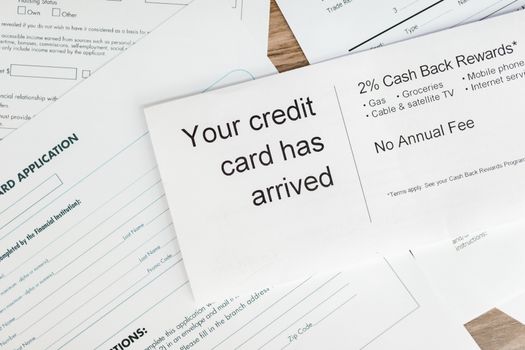 Photo: RDNE Stock project / Pexels
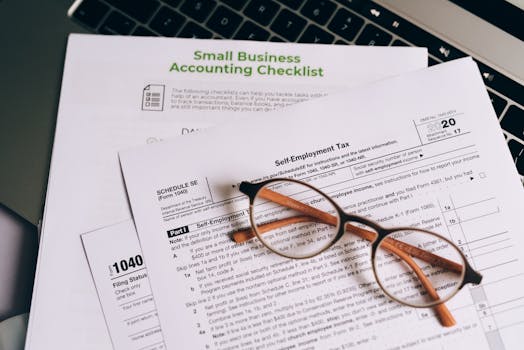 Photo: Leeloo The First / Pexels