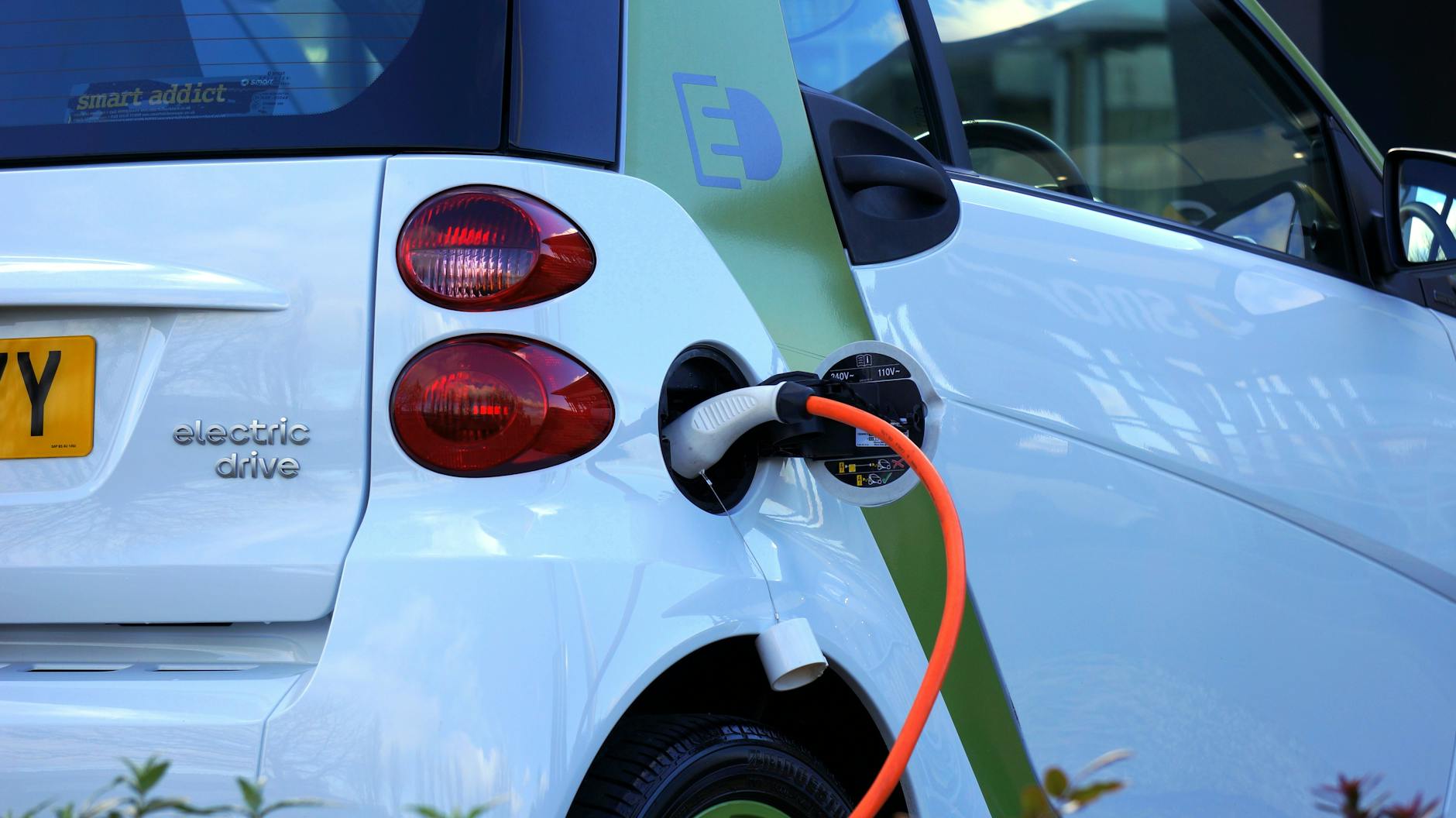
Financing Electric Vehicle Charging in Cyprus: Your Guide
Electric vehicle charging Cyprus

Financing Electric Vehicle Charging in Cyprus: Your Guide

Navigate the financial landscape of EV charging in Cyprus, from incentives to investment opportunities, to power a greener future.

Explore Funding Options

Key Takeaways

  • ✓ Cyprus is rapidly expanding its EV charging infrastructure, driven by EU directives and national initiatives.
  • ✓ Significant government grants and subsidies are available for both private and commercial EV charging installations.
  • ✓ Investment in EV charging in Cyprus offers attractive long-term returns, supported by growing EV adoption.
  • ✓ Various financial institutions in Cyprus are offering specialized loans and green financing options for EV-related projects.

How It Works

1
Assess Your Needs

Determine the type of EV charging solution required (home, public, commercial) and estimate installation costs. This initial assessment will guide your financial planning.

2
Identify Funding Programs

Research available government grants, EU funds, and local incentives specifically for electric vehicle charging in Cyprus. Programs often vary for individuals and businesses.

3
Secure Financing

Apply for grants and, if necessary, explore green loans or specialized financing options from Cypriot banks. Prepare a detailed proposal for commercial projects.

4
Implement & Monitor

Proceed with the installation of your EV charging infrastructure. Continuously monitor energy consumption and potential revenue streams for commercial setups to optimize returns.

Understanding the Cypriot EV Charging Landscape and Financial Incentives

Stunning aerial shot of Pernera harbor with boats in Famagusta, Cyprus. Photo: Ollie Craig / Pexels
Cyprus, a sun-drenched island nation, is making significant strides in its transition to sustainable transportation, with electric vehicles (EVs) at the forefront of this green revolution. As EV adoption accelerates, the demand for robust and accessible electric vehicle charging infrastructure becomes paramount. For individuals and businesses alike, understanding the financial ecosystem surrounding EV charging in Cyprus is crucial. This includes not only the costs associated with installation and operation but, more importantly, the myriad of financial incentives, grants, and investment opportunities designed to spur growth in this sector. The Cypriot government, often in conjunction with European Union initiatives, has rolled out a series of programs aimed at making EV charging more affordable and attractive. These incentives can range from direct subsidies for purchasing and installing home charging units to more comprehensive grants for municipalities and private companies developing public charging networks. Navigating these programs requires a keen understanding of eligibility criteria, application processes, and reporting requirements. For instance, individuals might find support for a Level 2 charger at their residence, significantly reducing the upfront cost. Businesses, on the other hand, could tap into larger funding pools for multi-charger installations at workplaces, hotels, or retail centers, often with a view to enhancing their environmental credentials and attracting the growing demographic of EV owners. Moreover, the long-term financial benefits extend beyond initial subsidies. Reduced fuel costs for EV owners, potential revenue generation from public charging stations, and the enhanced property value of homes or businesses equipped with EV infrastructure are all compelling factors. The strategic placement of charging stations, especially in tourist-heavy areas, presents a unique business opportunity, catering to both local residents and international visitors exploring the island. As the market matures, we can anticipate further evolution in these financial support mechanisms, likely focusing on smart charging solutions, renewable energy integration, and greater standardization across the network. Staying informed about these developments is key to maximizing financial benefits and contributing to a sustainable future. For a deeper dive into general financial planning, consider exploring resources on personal finance management. The shift towards electric mobility in Cyprus isn't just an environmental imperative; it's a significant economic opportunity waiting to be leveraged by those who understand its financial underpinnings. The government's commitment, coupled with increasing consumer demand, paints a promising picture for investment and growth in the electric vehicle charging sector.

Investment Opportunities in Electric Vehicle Charging Infrastructure

The burgeoning electric vehicle market in Cyprus presents a compelling investment opportunity, particularly within the charging infrastructure sector. As the number of EVs on Cypriot roads continues to climb, driven by environmental consciousness, technological advancements, and supportive government policies, the demand for reliable and widespread charging facilities is skyrocketing. This creates a fertile ground for investors looking to capitalize on a rapidly expanding green industry. Investment in electric vehicle charging in Cyprus can take various forms, from developing large-scale public charging networks to installing charging points at commercial properties or even investing in technology companies that provide smart charging solutions. For instance, real estate developers can significantly enhance the appeal and value of their properties by integrating EV charging stations, positioning them as forward-thinking and environmentally responsible. Hotels and resorts, vital to Cyprus's economy, can attract eco-conscious tourists by offering convenient charging options, potentially leading to increased occupancy and revenue. Furthermore, the operational models for EV charging stations offer diverse revenue streams. These can include direct charging fees, subscription services, advertising on charging kiosks, and even leveraging vehicle-to-grid (V2G) technology to sell excess energy back to the grid during peak demand. The long-term financial projections for EV charging infrastructure in Cyprus are robust, underpinned by consistent growth in EV sales and favorable regulatory environments. Governments and international bodies are increasingly allocating funds and offering incentives to accelerate the deployment of charging networks, de-risking early-stage investments and providing a clear path to profitability. Potential investors should consider the different types of charging technologies – AC (alternating current) for slower, overnight charging and DC (direct current) for rapid charging – and strategically deploy them based on anticipated user behavior and location. For example, DC fast chargers are ideal for highways and busy urban centers where drivers need quick top-ups, while AC chargers are more suited for residential areas, workplaces, and destinations where vehicles are parked for extended periods. Beyond direct investment in hardware, there's also scope for investing in software platforms that manage charging networks, optimize energy distribution, and provide seamless user experiences. These platforms are critical for the efficient operation and scalability of any large-scale charging infrastructure. As the world shifts towards a sustainable energy future, investing in electric vehicle charging in Cyprus isn't just a financial decision; it's an investment in the future of the island's environment and economy.

Our partners at Rental Car Cyprus offer related services.

Navigating Green Loans and Sustainable Financing Options in Cyprus

For those looking to finance electric vehicle charging initiatives in Cyprus, a growing array of green loans and sustainable financing options are becoming available through local and international financial institutions. These specialized financial products are designed to support environmentally friendly projects, offering more favorable terms, lower interest rates, or extended repayment periods compared to conventional loans. This makes them particularly attractive for individuals, businesses, and public entities committed to developing EV charging infrastructure. Cypriot banks, increasingly aware of their role in promoting sustainability, are developing tailored financial packages for EV-related investments. These can include personal loans for EV purchases and home charger installations, as well as business loans for commercial charging station deployments. Some banks might also offer specific lines of credit for renewable energy projects, which can be integrated with EV charging solutions, such as solar-powered charging stations. When considering green loans, it's essential to understand the specific criteria and benefits associated with each product. These often include requirements related to the environmental impact of the project, energy efficiency standards, and adherence to sustainable development goals. Financial institutions may also offer technical assistance or consultancy services to help applicants structure their projects to meet these criteria, thereby increasing their chances of securing funding. Furthermore, beyond traditional banking, innovative financing mechanisms are emerging. These might include crowdfunding platforms focused on green energy projects, impact investment funds, or partnerships with international organizations dedicated to climate action. For larger-scale infrastructure projects, public-private partnerships (PPPs) can also be a viable option, pooling resources and expertise from both sectors to accelerate deployment. Businesses, in particular, can leverage sustainable financing to not only fund their EV charging projects but also enhance their corporate social responsibility (CSR) profile, attracting environmentally conscious customers and investors. The long-term savings from reduced energy costs and potential revenue generation from charging services can further bolster the financial viability of these projects, making them an attractive proposition for lenders. Understanding and effectively utilizing these green financial instruments is paramount for anyone looking to make a significant impact on the electric vehicle charging landscape in Cyprus. For more insights into managing business finances, explore resources on business financial planning. The shift towards sustainable financing underscores a broader commitment to a greener economy, with EV charging infrastructure playing a pivotal role.

Maximizing Returns and Avoiding Pitfalls in EV Charging Investments

Investing in electric vehicle charging in Cyprus, while promising, requires careful planning to maximize returns and sidestep potential pitfalls. A strategic approach is essential, encompassing everything from site selection to technological choices and operational management. **Tips for Maximizing Returns:** * **Strategic Location Selection:** Choose high-traffic areas, popular tourist destinations, commercial hubs, and residential zones where EV adoption is high or projected to grow. Visibility and accessibility are key. * **Diversified Charging Options:** Offer a mix of AC (Level 2) and DC (fast charging) options to cater to different user needs and charging durations. Fast chargers typically command higher prices and attract drivers on longer journeys. * **Smart Charging Solutions:** Implement smart charging technology that allows for dynamic pricing, load balancing, and integration with renewable energy sources. This optimizes energy costs and can generate additional revenue through grid services. * **Reliable Network Management:** Invest in robust network management software that provides real-time monitoring, remote diagnostics, and efficient billing. A reliable network reduces downtime and enhances user satisfaction. * **Marketing and Partnerships:** Promote your charging stations through local EV owner groups, tourism boards, and partnerships with local businesses (e.g., hotels, restaurants) to drive traffic. * **Leverage Green Energy:** Power your charging stations with solar or other renewable energy sources where feasible. This not only reduces operational costs but also appeals to environmentally conscious users and may qualify for additional green incentives. **Common Pitfalls to Avoid:** * **Underestimating Demand:** Installing too few chargers or the wrong type of chargers for a given location can lead to underutilization and missed revenue opportunities. * **Ignoring Grid Capacity:** Ensure the local electrical grid can support the planned charging infrastructure. Upgrading grid connections can be costly and time-consuming if not planned for in advance. * **Poor Maintenance:** Neglecting regular maintenance can lead to frequent breakdowns, frustrating users and damaging your brand reputation. Proactive maintenance is crucial. * **Lack of Future-Proofing:** Technology evolves rapidly. Invest in modular or upgradable charging solutions that can adapt to future EV models and charging standards. * **Overlooking User Experience:** A complicated charging process, unreliable payment systems, or poor customer support can deter users. Simplicity and reliability are paramount. * **Inadequate Financial Planning:** Not fully accounting for all costs, including installation, maintenance, software, and potential grid upgrades, can lead to financial strain. Thorough financial modeling is essential. By carefully considering these factors, investors can significantly enhance the profitability and sustainability of their electric vehicle charging ventures in Cyprus, contributing to a robust and greener transportation future for the island.

Comparison

FeatureHome Charger (Private)Public AC Charger (Commercial)Public DC Fast Charger (Commercial)
Initial InvestmentLow-MediumMedium-HighHigh
Charging SpeedSlow-MediumMediumVery Fast
Revenue PotentialNone (Savings only)MediumHigh
Target UsersEV OwnersLocals, Tourists, FleetsLong-distance Travelers, Fleets
Complexity of InstallationLowMediumHigh
Government Incentives
Maintenance NeedsLowMediumHigh

What Readers Say

"The government grant for my home EV charger in Cyprus made the transition so much easier. The application process was straightforward, and I'm already seeing savings on fuel. Highly recommend looking into these programs!"

Maria P. · Limassol, Cyprus

"As a small business owner, investing in a public AC charger seemed daunting, but the green loan options from a local bank were incredibly helpful. It's attracting new customers and aligns with our sustainability goals."

Andreas K. · Nicosia, Cyprus

"We installed DC fast chargers at our hotel, and the return on investment has been fantastic. Tourists specifically seek us out for the charging convenience. It's boosted our bookings and guest satisfaction significantly."

Elena S. · Paphos, Cyprus

"While the initial paperwork for the EU funding was a bit extensive, the long-term benefits for our municipal charging network are undeniable. It's a crucial step towards a greener Cyprus, though patience is required for the administrative side."

George L. · Larnaca, Cyprus

"Our family car is electric, and knowing that there are increasing financial supports for electric vehicle charging in Cyprus makes us feel secure in our choice. Finding public chargers is becoming easier, too, which is a huge plus for travel."

Sophia M. · Agia Napa, Cyprus

Frequently Asked Questions

What government incentives are available for electric vehicle charging in Cyprus?

The Cypriot government, often supported by EU funds, offers various grants and subsidies for both private and commercial electric vehicle charging installations. These typically cover a portion of the purchase and installation costs for home chargers, and larger grants are available for public and commercial charging networks. Specific programs and eligibility criteria are updated periodically, so it's essential to check the official government portals.

Is it financially viable to invest in public EV charging stations in Cyprus?

Yes, investing in public EV charging stations in Cyprus is becoming increasingly viable. With a growing number of EVs on the road and a strong tourism sector, the demand for charging infrastructure is high. Investors can generate revenue through charging fees, subscriptions, and potentially through smart grid services. Government incentives and green financing options further enhance profitability.

How can I apply for a green loan for EV charging in Cyprus?

To apply for a green loan, you typically need to approach a Cypriot bank or financial institution that offers sustainable financing products. You'll need to provide details about your EV charging project, including costs, environmental benefits, and expected usage. Some institutions may require a business plan for commercial projects. It's advisable to compare offers from different banks to find the most favorable terms.

What are the typical costs associated with installing electric vehicle charging in Cyprus?

Costs vary significantly based on the type of charger (AC Level 2 vs. DC Fast Charger), installation complexity, and electrical upgrades required. A home Level 2 charger can range from a few hundred to a couple of thousand euros for the unit and installation. Public or commercial DC fast chargers can cost tens of thousands of euros, not including potential grid upgrades. Incentives can substantially reduce these upfront costs.

How does investing in EV charging in Cyprus compare to other green investments?

Investing in electric vehicle charging in Cyprus offers a unique blend of environmental impact and direct revenue generation, which can be more tangible than some other green investments. Unlike some renewable energy projects that rely solely on selling power to the grid, EV charging provides a direct service to a growing consumer base, offering diverse revenue streams and strong growth potential as EV adoption accelerates.

Who should consider investing in electric vehicle charging in Cyprus?

Individuals looking to reduce their carbon footprint and fuel costs, businesses aiming to attract EV-driving customers or provide employee benefits, real estate developers enhancing property value, and entrepreneurs seeking to capitalize on a growing green market should consider investing. Municipalities and public entities also have a strong incentive to develop public infrastructure to support sustainable transport.

Are there any risks associated with investing in EV charging infrastructure?

Like any investment, there are risks. These include slower-than-expected EV adoption, technological obsolescence of charging equipment, grid capacity limitations, and competition. However, careful market research, strategic planning, choosing reliable technology, and leveraging government support can significantly mitigate these risks, making it a relatively secure long-term investment in a growing sector.

What future trends are expected in electric vehicle charging finance in Cyprus?

Future trends likely include increased integration of smart grid technologies, more sophisticated dynamic pricing models, greater emphasis on renewable energy-powered charging solutions, and potentially wider adoption of vehicle-to-grid (V2G) capabilities. Financial products will also evolve, with more tailored green bonds, impact investments, and potentially more international funding flowing into the Cypriot EV charging sector.

Embrace the future of transportation by exploring the robust financial landscape for electric vehicle charging in Cyprus. Whether you're an individual homeowner, a business owner, or a large-scale investor, the time to power up your sustainable future is now. Connect with financial advisors and government bodies to unlock the full potential of EV charging investments on the island.

Topics: Electric vehicle charging CyprusEV incentives CyprusCyprus EV financeEV infrastructure investmentsustainable finance Cyprus
Leo List
Brampton weed
Adultwork