
How to Get Free Credit Report Online: Your Essential Guide
Unlock your financial insights by accessing your credit report for free, empowering smart money decisions.
Claim Your Free Report NowKey Takeaways
- ✓ You are legally entitled to one free credit report annually from each of the three major bureaus.
- ✓ AnnualCreditReport.com is the only federally authorized website to get your free reports.
- ✓ Checking your own credit report does not hurt your credit score.
- ✓ Regularly reviewing your report helps detect errors and potential identity theft.
How It Works
Navigate to the official, government-authorized website. This is the only legitimate source for your free annual reports.
Follow the prompts to request reports from Equifax, Experian, and TransUnion. You can choose to get all three at once or space them out.
Answer security questions based on your financial history. This step ensures only you can access your sensitive credit information.
Carefully examine each section of your reports for accuracy. Download and save copies for your records.
Understanding Your Credit Reports and Why They Matter
 Photo: Kindel Media / Pexels
There are three major credit bureaus in the United States: Equifax, Experian, and TransUnion. Each bureau collects and maintains its own version of your credit report, and while they largely contain similar information, there can be discrepancies. This is precisely why it's vital to review all three. These reports detail your personal information, such as your name, address, and Social Security number, along with your credit history. This history includes accounts like credit cards, mortgages, auto loans, and student loans, showing when you opened them, your payment status, and your credit limits. It also lists public records like bankruptcies and tax liens, as well as inquiries from lenders who have reviewed your report.
The importance of these reports cannot be overstated. A healthy credit report opens doors: it can qualify you for better interest rates on loans, saving you thousands of dollars over the life of a mortgage or car loan. It can also make it easier to rent an apartment, secure utility services without large deposits, and even get approved for certain employment opportunities. Conversely, a poor credit report can lead to higher interest rates, loan rejections, and challenges in housing or employment. By proactively choosing to get free credit report online, you're not just checking a box; you're engaging in a fundamental practice of financial self-care. It’s the foundational step to understanding your financial standing and identifying areas for improvement or, more importantly, spotting errors that could be unfairly damaging your financial reputation. This regular review empowers you to maintain accuracy and address any issues promptly, safeguarding your financial future. It's a simple, yet incredibly powerful, habit to cultivate for long-term financial health. For more insights on managing your finances, check out our guide on budgeting tips for financial success.
The Official Way to Get Your Free Credit Report Online Annually
 Photo: Erik Mclean / Pexels
Many consumers make the mistake of thinking they can get free credit report online from other sites that advertise 'free credit reports.' While some of these sites might offer a free credit score or a 'free trial' that eventually leads to a subscription, they are not the official gateway to your annual credit report. AnnualCreditReport.com is the only authorized channel that provides your full, detailed credit report from each bureau, without requiring you to sign up for a service or provide credit card information for a trial. Navigating the site is straightforward. You'll be asked to provide some personal identifying information, such as your name, address, Social Security number, and date of birth. This information is used to verify your identity and pull up your correct credit file. To further secure your data, you'll also answer several knowledge-based authentication questions, which are typically multiple-choice questions about your financial history that only you should know (e.g., 'Which of the following streets have you previously lived on?' or 'Which of these auto loan amounts did you have?').
Once your identity is confirmed, you can choose which credit report(s) you wish to view. You have the option to get all three reports at once, or you can stagger your requests throughout the year. For instance, you might request your Experian report in January, your Equifax report in May, and your TransUnion report in September. This strategy allows you to monitor your credit activity more frequently throughout the year, rather than just once. After viewing, you should download and save each report for your records. It's crucial to understand that while AnnualCreditReport.com offers the reports themselves, it typically does not provide your credit score. Credit scores are usually a separate product, often available through credit card companies, banks, or other financial services, sometimes for free as a perk to customers. The primary purpose of AnnualCreditReport.com is to provide you with the detailed information that lenders see, allowing you to scrutinize it for accuracy and completeness. This official access point is a cornerstone of responsible financial management and a powerful tool in protecting your financial well-being.
What to Look For: Discrepancies and Identity Theft Red Flags
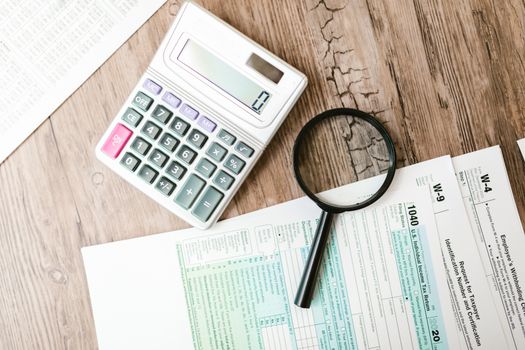 Photo: RDNE Stock project / Pexels
Next, meticulously examine all listed accounts. Verify that every account belongs to you, that the account numbers are correct, and that the payment history is accurate. Look for accounts you don't recognize – these are major red flags for identity theft. Check the credit limits, current balances, and payment statuses. Are there any late payments reported that you know you made on time? Are accounts listed as open that you closed years ago? Pay close attention to the dates of last activity and the date the account was opened. Errors in these dates can impact how long information remains on your report. For example, negative information like late payments typically stays on your report for seven years, and a bankruptcy for 7-10 years. An incorrect date could unfairly extend this period.
In addition to accounts, review the public records section for any bankruptcies, tax liens, or civil judgments that don't belong to you. While less common, these can severely damage your credit. Finally, examine the inquiries section. This lists everyone who has accessed your credit report. There are two types: 'soft' inquiries (like when you check your own credit or a pre-approved offer) and 'hard' inquiries (when you apply for new credit). Soft inquiries don't affect your score, but too many hard inquiries in a short period can. Look for hard inquiries you don't recognize, as these could be an attempt by an identity thief to open new credit in your name.
Discovering an error or an unrecognized account can be alarming, but it's precisely why you need to get free credit report online regularly. The sooner you find an issue, the sooner you can dispute it and protect your credit. If you find any inaccuracies, you have the right to dispute them with both the credit bureau and the information provider (e.g., the bank or lender). This process is detailed and requires documentation, but it's a critical step in maintaining accurate credit. For guidance on improving your credit score, consider reading our article on strategies for credit score improvement.
Tips for Effective Credit Report Monitoring and Error Resolution
 Photo: Atlantic Ambience / Pexels
If you do find an error, acting quickly and methodically is crucial. The Fair Credit Reporting Act (FCRA) outlines your rights and the responsibilities of credit bureaus and information providers in correcting inaccurate information. Your first step should be to dispute the error directly with the credit bureau (or bureaus) that reported it. You can do this online, by mail, or by phone. Provide clear details about the error and include any supporting documentation you have (e.g., payment receipts, account statements). The credit bureau has 30 days (in most cases) to investigate your dispute and respond. They must forward all relevant data you provide about the inaccuracy to the information provider. You should also consider disputing the error directly with the information provider (the original creditor). Sometimes, going straight to the source can expedite the correction process. Keep detailed records of all communications, including dates, names of people you spoke with, and copies of letters sent and received.
If the dispute is resolved in your favor, the credit bureau must remove or correct the inaccurate information and notify you of the change. If the bureau determines the information is accurate after investigation, they must inform you of that decision. Even then, you have the right to add a brief statement to your credit file explaining your side of the story. While rare, persistent errors or uncooperative bureaus might warrant seeking assistance from consumer protection agencies like the Consumer Financial Protection Bureau (CFPB) or consulting with a credit counseling agency. Regular vigilance, coupled with a clear understanding of the dispute process, empowers you to maintain an accurate and healthy credit profile, a vital asset in your financial journey.
Comparison
| Feature | AnnualCreditReport.com | Credit Karma/Credit Sesame | Credit Card Company Portals |
|---|---|---|---|
| Report Type | Full Credit Report (all 3 bureaus) | TransUnion/Equifax (VantageScore) | Often TransUnion/Equifax (FICO/Vantage) |
| Cost | Free (federally mandated) | Free (ad-supported) | Free (customer perk) |
| Frequency | Once per bureau annually | Weekly/monthly updates | Monthly/on-demand |
| Credit Score Included | ✗ | ✓ | ✓ |
| Official Source | ✓ | ✗ | ✗ |
| Identity Verification | Robust KBA questions | Standard sign-up process | Bank login |
What Readers Say
"Using AnnualCreditReport.com to get my free credit report online was incredibly easy. I found an old, incorrect address listed and was able to dispute it quickly. Highly recommend everyone uses this service yearly."
Sarah J. · Austin, TX"I thought getting my credit reports would be complicated, but AnnualCreditReport.com made it seamless. I pulled all three reports and downloaded them in under 15 minutes. It's a vital financial check-up."
Mark D. · Miami, FL"After reviewing my free credit reports, I discovered an account I didn't recognize. Thanks to this service, I caught a potential identity theft attempt early and was able to secure my accounts. Truly a lifesaver!"
Jessica L. · Denver, CO"The process to get free credit report online was mostly smooth, though the identity verification questions were a bit tricky. Still, it's invaluable to see all my accounts listed clearly and confirm everything is accurate."
David P. · Chicago, IL"As a small business owner, keeping my personal credit clean is essential for future funding. Getting my free credit reports online helps me stay on top of my financial health and quickly address any issues."
Emily R. · Seattle, WAFrequently Asked Questions
Can I get free credit report online from all three bureaus at once?
Yes, you absolutely can request and receive all three of your free credit reports—from Equifax, Experian, and TransUnion—simultaneously through AnnualCreditReport.com. This allows for a comprehensive review of your credit standing across all major reporting agencies at one time, which is often recommended for an initial thorough check.
Will checking my own credit report hurt my credit score?
No, checking your own credit report, often referred to as a 'soft inquiry,' will not negatively impact your credit score. This type of inquiry is only visible to you and does not affect how lenders view your creditworthiness, encouraging regular self-monitoring without fear of penalty.
How often can I get free credit report online?
Under federal law, you are entitled to one free credit report from each of the three major credit bureaus (Equifax, Experian, and TransUnion) every 12 months. This means you can get up to three free reports per year, one from each agency, via AnnualCreditReport.com.
Are there other websites that offer truly free credit reports?
AnnualCreditReport.com is the only federally authorized website where you can get your truly free annual credit reports from all three bureaus without any catches, trials, or subscriptions. Other sites may offer 'free' credit scores or reports that come with strings attached, like signing up for a paid service or a free trial that auto-renews.
What should I do if I find an error on my credit report?
If you find an error, you should dispute it immediately with the credit bureau(s) reporting the inaccurate information. You can typically do this online, by mail, or by phone. Provide clear details about the error and include any supporting documentation you have to strengthen your case.
Who should regularly get free credit report online?
Everyone should regularly get their free credit report online. It's an essential practice for financial well-being, allowing you to monitor for accuracy, detect potential identity theft, and understand what information lenders see when you apply for credit, loans, or even housing.
Is it safe to get free credit report online from AnnualCreditReport.com?
Yes, AnnualCreditReport.com is a highly secure and federally mandated website designed specifically for this purpose. It uses robust encryption and identity verification processes to protect your sensitive financial information, making it the safest and most reliable platform for accessing your free reports.
Will getting my credit report help me improve my credit score?
While simply getting your credit report doesn't directly improve your score, it's a critical first step. By reviewing your report, you can identify errors that might be dragging down your score, spot negative items that need addressing, and understand areas where you can improve your financial habits, all of which can lead to a better credit score over time.
Don't leave your financial future to chance. Take control today by visiting AnnualCreditReport.com to get free credit report online from all three bureaus. It's your right, it's free, and it's the smartest move you can make for your credit health.