
 Photo: RDNE Stock project / Pexels
Understanding Cryptocurrency Basics: Your Guide to Digital Assets
Demystify digital currencies, blockchain, and decentralized finance to confidently navigate the future of money.
Start Your Crypto JourneyKey Takeaways
- ✓ Cryptocurrency is a digital or virtual currency secured by cryptography, making it nearly impossible to counterfeit or double-spend.
- ✓ Blockchain is the underlying technology, a decentralized, distributed ledger that records all transactions across a network.
- ✓ Bitcoin, created in 2009, was the first decentralized cryptocurrency and remains the largest by market capitalization.
- ✓ Cryptocurrencies are not issued or controlled by a central authority, like a government or bank, offering decentralization.
How It Works
A user initiates a cryptocurrency transaction, digitally signing it with their private key. This transaction requests to send funds from one wallet to another.
The transaction is broadcast to the cryptocurrency network's participants (nodes). These nodes verify the transaction's authenticity and ensure the sender has sufficient funds.
Verified transactions are grouped into a 'block' along with a cryptographic puzzle. 'Miners' compete to solve this puzzle, and the first to succeed adds the block to the blockchain, earning new cryptocurrency as a reward.
Once a block is added, it is permanently recorded and visible to all participants. Subsequent blocks further secure the transaction, making it irreversible and immutable.
The Core Concept: What is Cryptocurrency and Why Does it Matter?
 Photo: Alesia Kozik / Pexels
The 'crypto' in cryptocurrency refers to the advanced cryptographic techniques used to secure transactions and control the creation of new units. These techniques ensure that transactions are legitimate and that new units are only created according to predefined rules, preventing fraud like double-spending. This cryptographic security is what makes cryptocurrencies incredibly difficult to counterfeit or manipulate, offering a level of integrity that traditional digital payments often lack. When you send cryptocurrency, you're not sending a physical item; you're updating a record on a distributed ledger, verified and secured by complex mathematics. This fundamental difference is crucial for anyone trying to grasp the utility and potential of these digital assets.
Why does this matter? For one, cryptocurrencies offer a potential alternative to traditional banking systems, especially for those who are unbanked or underbanked globally. They can facilitate faster, cheaper international transactions, bypassing intermediaries and their associated fees. Furthermore, the underlying blockchain technology has applications far beyond just currency, impacting areas like supply chain management, digital identity, and intellectual property. Understanding these broader implications is key to appreciating the transformative potential of this technology. The growing adoption by major companies, the development of central bank digital currencies (CBDCs), and the increasing regulatory scrutiny all point to cryptocurrency's undeniable place in the future of global finance. It's not just a niche technology anymore; it's a rapidly evolving sector that demands attention and informed understanding. Navigating this space requires a solid grasp of its foundational principles, starting with the core definition and its distinguishing characteristics from conventional finance. For more on how digital assets are reshaping economies, explore our article on the future of digital finance.
Blockchain Explained: The Backbone of Cryptocurrency
 Photo: Morthy Jameson / Pexels
The 'chain' aspect comes from the fact that each new block contains a cryptographic hash of the previous block, linking them together. This interlocking structure ensures the integrity of the entire ledger. If someone tried to tamper with an old transaction, the hash of that block would change, which would then invalidate the hash in the next block, and so on, making the discrepancy immediately apparent to the network. This self-auditing mechanism is a cornerstone of blockchain's security model. The distributed nature means that there's no single point of failure; even if some computers in the network go offline, the ledger remains intact and operational on others. This resilience is a significant advantage over centralized databases, which are vulnerable to single-point attacks or system failures.
Beyond just recording transactions, blockchain technology offers a new way to record any data that needs to be secure, transparent, and tamper-proof. This has led to its application in various sectors, from supply chain tracking and healthcare records to voting systems and digital identity management. The ability to create a shared, immutable record without the need for a trusted third party opens up possibilities for unprecedented efficiency and trust in digital interactions. Different blockchains use various consensus mechanisms, such as Proof of Work (PoW) or Proof of Stake (PoS), to validate transactions and add new blocks. Understanding these mechanisms is part of moving beyond the absolute basics and appreciating the nuances of different cryptocurrencies. The continuous innovation in blockchain technology suggests that its impact will only grow, making it a critical area of study for anyone interested in future technologies and financial systems.
Navigating the Crypto Ecosystem: Wallets, Exchanges, and Security
 Photo: www.kaboompics.com / Pexels
Cryptocurrency exchanges are online platforms where you can buy, sell, and trade various digital currencies. Think of them as the stock market for crypto. They facilitate the conversion of fiat currency (like USD) into cryptocurrency, and vice versa. Popular exchanges in the US include Coinbase, Binance.US, Kraken, and Gemini. When choosing an exchange, consider factors like supported cryptocurrencies, trading fees, security measures, user interface, and regulatory compliance. It's crucial to research and select a reputable exchange, as the security of your funds on an exchange depends heavily on the platform's robust security protocols. Many exchanges offer custodial services, meaning they hold your private keys for you, which can be convenient but also introduces a third-party risk. For larger holdings, transferring your crypto to a personal cold wallet is often recommended for enhanced security.
Security in the crypto world cannot be overstated. Beyond securing your private keys, it's essential to enable two-factor authentication (2FA) on all your exchange accounts and wallets. Be wary of phishing scams, fake websites, and unsolicited messages asking for your private information. The decentralized nature of cryptocurrency means there's often no central authority to reverse fraudulent transactions, placing a higher burden of security on the individual user. Regular backups of your wallet information (especially seed phrases for cold wallets) are also critical. Understanding these security best practices is paramount to protecting your digital assets and ensuring a safe journey into the world of cryptocurrency. For detailed guidance on managing your digital assets securely, refer to our guide on best practices for crypto security.
Understanding Crypto Risks and Investment Considerations
 Photo: RDNE Stock project / Pexels
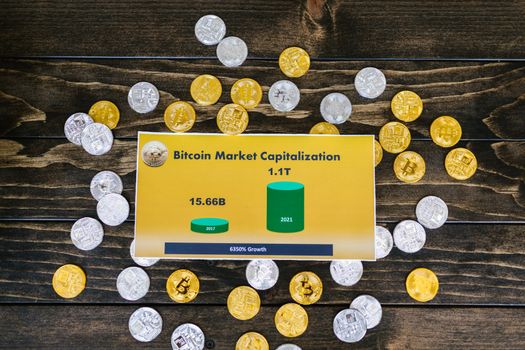
Regulatory uncertainty is another major risk. Governments worldwide are still grappling with how to regulate cryptocurrencies, and policies can change rapidly, impacting market sentiment and the legality of certain crypto activities. In the US, various agencies, including the SEC, CFTC, and Treasury, are involved, leading to a complex and evolving regulatory landscape. Changes in taxation, classification of digital assets, or restrictions on trading platforms can all have profound effects. Furthermore, the decentralized and pseudonymous nature of some cryptocurrencies can attract illicit activities, which may lead to stricter government oversight and potential crackdowns.
Technological risks also exist. While blockchain is robust, smart contract vulnerabilities, bugs in code, or protocol failures can lead to loss of funds. The increasing sophistication of cyberattacks on exchanges and individual wallets also poses a constant threat. Users must remain vigilant against phishing, malware, and social engineering scams. Finally, the novelty of many crypto projects means that some may fail, prove to be scams, or simply not gain traction, leading to a complete loss of investment. Therefore, thorough due diligence, continuous learning, and a clear understanding of your risk tolerance are crucial before entering the crypto market. Never invest more than you can afford to lose, and consider diversifying your investments, including traditional assets, rather than putting all your capital into highly speculative digital assets.
Here are some key considerations for new investors:
- Research Thoroughly: Understand the technology, use case, and team behind any cryptocurrency before investing.
- Start Small: Begin with a modest amount you are comfortable losing.
- Diversify: Don't put all your eggs in one crypto basket; consider different assets and sectors.
- Long-Term Perspective: The crypto market can be highly speculative in the short term.
- Security First: Protect your private keys and use strong security practices.
- Stay Informed: Follow regulatory news and market developments closely.
Comparison
| Feature | Bitcoin (BTC) | Ethereum (ETH) | Traditional Banking |
|---|---|---|---|
| Underlying Tech | Blockchain (PoW) | Blockchain (PoS) | Centralized Database |
| Central Authority | None (Decentralized) | None (Decentralized) | Banks/Governments |
| Transaction Speed | Slower (minutes) | Faster (seconds) | Instant (internal), Slower (external) |
| Fees | Variable (can be high) | Variable (gas fees) | Fixed/Variable (bank fees) |
| Privacy | Pseudonymous | Pseudonymous | Low (KYC/AML) |
| Programmability | Limited (Scripts) | High (Smart Contracts) | Limited (Bank APIs) |
| Volatility | High | High | Low (Stable) |
| Global Access | ✓ | ✓ | ✗ |
What Our Readers Say
"This guide truly broke down understanding cryptocurrency basics for me. I was overwhelmed before, but now I feel confident about the terminology and core concepts. Highly recommend for any beginner!"
Sarah J. Austin, TX"As someone new to finance, this article was a lifesaver. It explained blockchain and wallets in a way that finally clicked. I'm now exploring exchanges with much more confidence."
Mark D. Miami, FL"I used to think crypto was too complex, but this guide helped me understand the fundamentals. I even managed to set up my first secure wallet, thanks to the clear security advice!"
Emily R. Seattle, WA"A very comprehensive overview of understanding cryptocurrency basics. While I still have much to learn, this provided an excellent starting point and clarified many misconceptions I had about digital assets."
David L. Chicago, IL"From a traditional investor's perspective, this article was invaluable. It clearly articulated the differences and similarities between crypto and conventional finance, helping me bridge the knowledge gap."
Jessica M. Denver, COFrequently Asked Questions
What is the single most important thing to know when understanding cryptocurrency basics?
Is cryptocurrency safe to invest in?
How do I buy my first cryptocurrency?
Are cryptocurrencies expensive?
How do cryptocurrencies compare to traditional stocks?
Who should consider understanding cryptocurrency basics?
What are the main security risks with cryptocurrency?
What future trends should I watch in cryptocurrency?
Embark on your journey into the world of digital finance by truly understanding cryptocurrency basics. Equip yourself with the knowledge to navigate this exciting and evolving landscape with confidence. Start learning and exploring today.