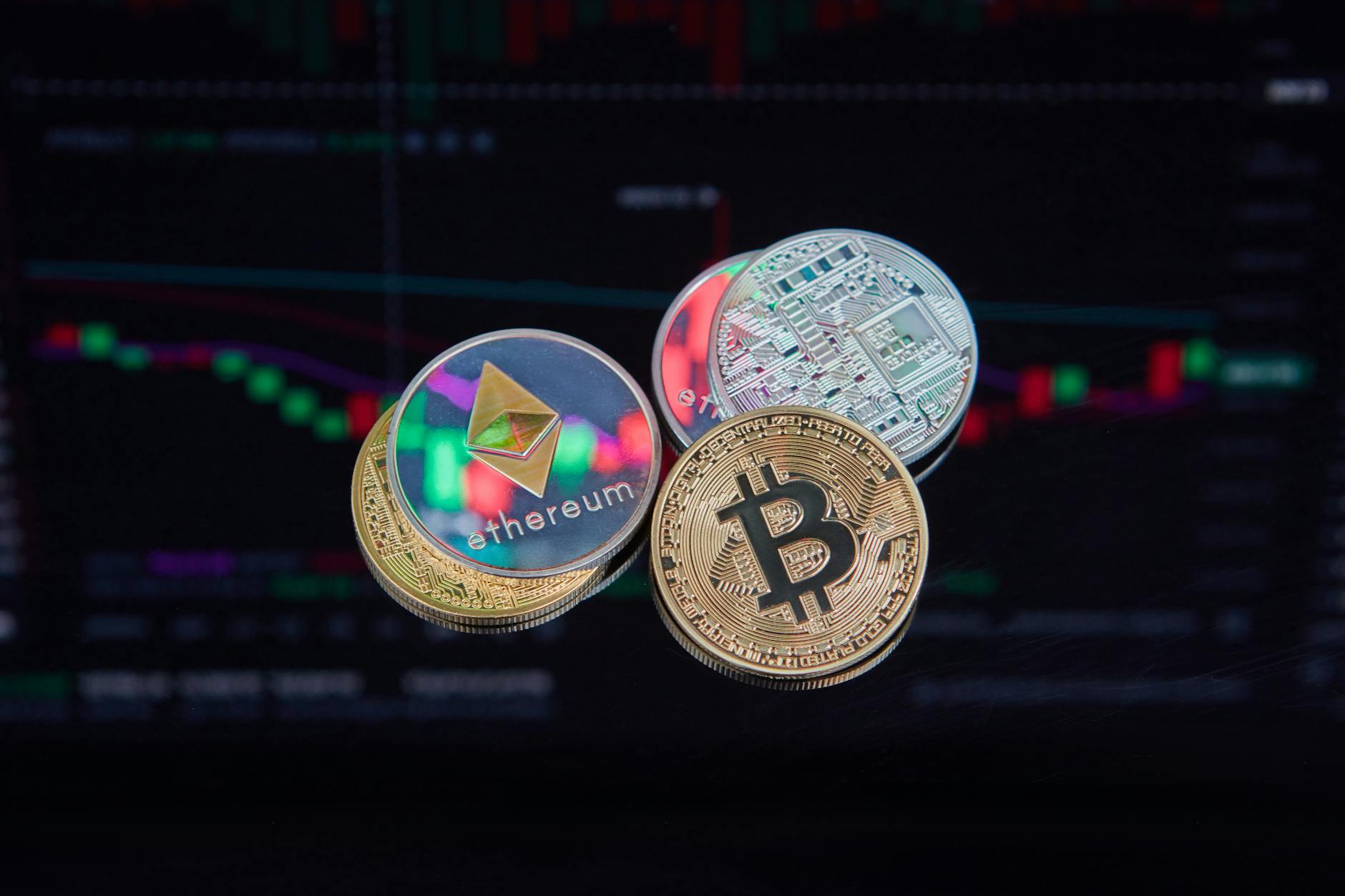
Understanding Cryptocurrency Investing: Your Essential Guide
understanding cryptocurrency investing

Understanding Cryptocurrency Investing: Your Essential Guide

Master the fundamentals of digital asset investing to make informed decisions and secure your financial future.

Start Your Crypto Journey

Key Takeaways

  • ✓ Cryptocurrency is a decentralized digital currency secured by cryptography.
  • ✓ Investing involves inherent risks, including volatility and regulatory uncertainty.
  • ✓ Diversification and long-term strategy are crucial for crypto investors.
  • ✓ Understanding blockchain technology is fundamental to grasping crypto's value.

How It Works

1
Educate Yourself

Before investing, thoroughly research blockchain technology, different cryptocurrencies, and market dynamics. Knowledge is your strongest asset in this evolving space.

2
Choose an Exchange

Select a reputable cryptocurrency exchange that operates legally in the US, offers the assets you want, and has strong security features. Consider fees and user experience.

3
Fund Your Account

Link your bank account or debit card to the exchange to deposit fiat currency (USD). Start with an amount you're comfortable losing, as crypto markets are highly volatile.

4
Invest & Secure

Purchase your chosen cryptocurrencies. Immediately consider transferring them to a secure personal wallet (hardware or software) for better control and protection against exchange hacks.

The Fundamentals of Digital Asset Investing

Laptop displaying blockchain connecting screen in modern setting. Photo: Morthy Jameson / Pexels
Understanding cryptocurrency investing begins with grasping the core concepts that underpin this revolutionary technology. At its heart, cryptocurrency is a digital or virtual currency designed to work as a medium of exchange through a computer network that is not reliant on any central authority, such as a government or bank, to uphold or maintain it. This decentralization is a cornerstone of its appeal, offering a level of autonomy and transparency not found in traditional financial systems. The technology that makes this possible is called blockchain, a distributed ledger that records all transactions across a network of computers. Each 'block' in the chain contains a timestamped batch of transactions, and once recorded, a transaction cannot be altered, creating an immutable and transparent record. This cryptographic security is what makes cryptocurrencies resilient to fraud and censorship. Beyond Bitcoin, which pioneered the concept, thousands of altcoins (alternative cryptocurrencies) have emerged, each with unique features, use cases, and underlying technologies. Some, like Ethereum, offer smart contract functionality, enabling decentralized applications (dApps) and decentralized finance (DeFi). Others focus on privacy, speed, or specific industry solutions. Exploring these various types of cryptocurrencies is a critical step in building an informed investment strategy. It's not just about buying a coin; it's about understanding the project, its utility, and its potential for growth. The market is incredibly dynamic, influenced by technological advancements, regulatory news, global economic trends, and even social media sentiment. Investors must recognize that this is a nascent asset class, distinct from stocks or bonds, and requires a different approach to analysis and risk management. This foundational knowledge will empower you to move beyond speculation and make more strategic choices in your crypto journey.

Navigating the Volatility and Risks of Crypto Investments

A gold Bitcoin coin on a smartphone displaying a fluctuating stock market chart. Photo: www.kaboompics.com / Pexels
One of the most defining characteristics of cryptocurrency investing is its extreme volatility. Prices can swing dramatically within hours, driven by a confluence of factors ranging from market sentiment and news cycles to technological developments and regulatory announcements. This inherent volatility presents both opportunities for significant gains and substantial risks of loss. For anyone understanding cryptocurrency investing, acknowledging and preparing for this risk is paramount. Unlike traditional assets, crypto markets operate 24/7, globally, and are less regulated, which can exacerbate price movements. Regulatory risk is another significant concern. Governments worldwide are still grappling with how to classify and oversee cryptocurrencies. Changes in legislation, bans in certain regions, or even discussions about potential regulations can trigger widespread market reactions. Security risks also loom large. While blockchain technology itself is robust, exchanges, wallets, and individual investor practices can be vulnerable to hacks, phishing scams, and other cyber threats. Losing access to private keys can mean permanent loss of funds. Furthermore, liquidity can be an issue for smaller altcoins, making it difficult to buy or sell large quantities without impacting the price. The 'pump and dump' schemes, where a group artificially inflates a coin's price before selling off, are also a real danger, particularly for less experienced investors. To mitigate these risks, diversification is key—not just within crypto, but also across your entire investment portfolio. Never invest more than you can afford to lose, and consider dollar-cost averaging to smooth out entry points. Employ strong security practices, including two-factor authentication (2FA) and cold storage for significant holdings. Due diligence on projects, understanding their whitepapers, teams, and technology, is crucial to avoid investing in speculative or fraudulent ventures. A thorough understanding of these risks allows investors to approach the market with a realistic perspective and build resilience into their investment strategy.

Building a Strategic Cryptocurrency Portfolio for Growth
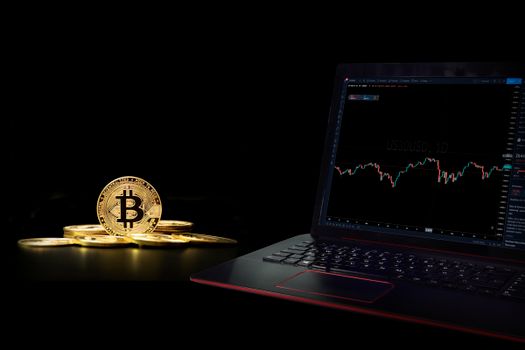
Golden bitcoin coins next to a laptop displaying a trading graph, symbolizing digital currency investment. Photo: adrian vieriu / Pexels
A successful approach to understanding cryptocurrency investing involves more than just buying popular coins; it requires a well-thought-out strategy for portfolio construction. Just as with traditional assets, diversification is critical, but its application in the crypto space has unique nuances. Instead of just spreading across different cryptocurrencies, consider diversifying across different categories of digital assets. This might include established 'blue-chip' cryptocurrencies like Bitcoin and Ethereum, which often serve as foundational holdings due to their market dominance and network effects. Beyond these, explore promising altcoins that address specific market needs or offer innovative technological solutions, but be mindful of their higher risk profile. Consider tokens associated with decentralized finance (DeFi) protocols, non-fungible tokens (NFTs), or Web3 projects, each representing different segments of the digital economy. Your investment horizon is another crucial factor. Are you looking for short-term gains, or are you a long-term hodler (a term for holding crypto for extended periods, derived from a misspelling of 'hold')? Long-term investing often involves riding out market fluctuations, while short-term trading demands more active management and risk. Define your risk tolerance clearly; this will dictate the percentage of your overall portfolio allocated to crypto and the types of assets you choose within it. Rebalancing your portfolio periodically is also essential to maintain your desired risk exposure and capitalize on market shifts. This might involve selling some assets that have performed exceptionally well to reallocate funds to underperforming but promising assets, or simply to take profits. Understanding market cycles and sentiment can greatly assist in these rebalancing decisions. Finally, stay informed. The crypto landscape evolves rapidly, with new projects, technologies, and regulatory changes emerging constantly. Continuous learning and adapting your strategy are vital for sustained growth and navigating the complexities of this innovative asset class. Building a strategic portfolio is an ongoing process, requiring patience, research, and a disciplined approach.

Essential Tips and Common Mistakes to Avoid in Crypto Investing
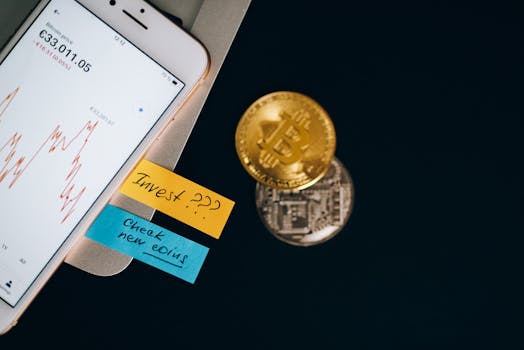
Bitcoin coins and smartphone displaying price chart with investment notes. Photo: Leeloo The First / Pexels
Embarking on understanding cryptocurrency investing can be a rewarding journey if approached with caution and intelligence. Here are some essential tips and common pitfalls to avoid: **Essential Tips for Smart Crypto Investing:** * **Do Your Own Research (DYOR):** Never invest based solely on hype or social media recommendations. Deeply investigate a project's whitepaper, team, technology, use case, and community. * **Start Small:** Begin with a modest amount that you are comfortable losing. This allows you to gain experience without significant financial exposure. * **Diversify Wisely:** Spread your investments across different cryptocurrencies and asset classes to mitigate risk. Don't put all your eggs in one digital basket. * **Secure Your Assets:** Use strong, unique passwords, enable two-factor authentication (2FA) on all accounts, and consider hardware wallets for long-term storage of significant holdings. * **Understand Taxes:** Cryptocurrency transactions are taxable events in the US. Keep meticulous records of all trades, purchases, and sales to ensure compliance. * **Have a Clear Strategy:** Define your investment goals, risk tolerance, and exit strategy before you invest. Stick to your plan and avoid emotional decisions. * **Stay Informed:** The crypto space is dynamic. Follow reputable news sources, analysts, and developers to stay updated on market trends and technological advancements. **Common Mistakes to Avoid:** * **FOMO (Fear Of Missing Out):** Buying into a project solely because its price is skyrocketing. This often leads to buying at the peak and selling at a loss. * **FUD (Fear, Uncertainty, and Doubt):** Selling assets impulsively due to negative news or market downturns. Panic selling often locks in losses. * **Over-Leveraging:** Trading with borrowed funds can amplify gains but also magnify losses, leading to rapid liquidation. * **Ignoring Security:** Neglecting to secure wallets and exchange accounts makes you a prime target for hackers and scammers. * **Chasing 'Moonshots':** Focusing solely on highly speculative, low-cap coins with the hope of massive, quick returns. While some succeed, most do not. * **Lack of Patience:** Crypto investing is often a long game. Expect volatility and be prepared to hold through downturns if your fundamental analysis remains sound. * **Not Understanding the Technology:** Investing in a project without understanding what problem it solves or how its technology works is akin to gambling. Always prioritize understanding over speculation.

Comparison

FeatureCrypto Exchange (e.g., Coinbase)Decentralized Exchange (DEX)Hardware Wallet (e.g., Ledger)
Custody of AssetsExchange holds keysYou hold keysYou hold keys (offline)
Ease of UseHighMediumMedium
Security against HacksVulnerable (centralized)High (smart contracts)Highest (offline)
Fiat On/Off-Ramp✗ (mostly)
Transaction FeesVariable (can be high)Variable (gas fees)None (for storage)
PrivacyLow (KYC required)High (no KYC)High

What Readers Say

"This guide on understanding cryptocurrency investing was a game-changer for me. It broke down complex topics into digestible information, giving me the confidence to start my portfolio responsibly."

Sarah J. · Austin, TX

"Before reading this, I felt overwhelmed by crypto. Now, I have a clear understanding of the risks and how to build a strategic portfolio. Highly recommended for beginners!"

David M. · Miami, FL

"I used the tips from this article to diversify my crypto holdings and implement better security practices. Within six months, I've seen a much more stable and positive return on my initial investments."

Emily R. · Seattle, WA

"The depth of information provided here is excellent for understanding cryptocurrency investing, though I wish there were more specific examples of altcoin analysis. Still, a fantastic resource overall."

Michael B. · Chicago, IL

"As someone who only understood traditional finance, this article was crucial in bridging the gap. It's truly helped me understand the unique aspects of digital asset investing."

Jessica L. · Denver, CO

Frequently Asked Questions

What is the biggest risk in understanding cryptocurrency investing?

The biggest risk is market volatility, which can lead to rapid and significant price swings. Other major risks include regulatory uncertainty, security vulnerabilities like hacks and scams, and the potential for illiquidity in smaller markets. It's crucial to acknowledge these risks and never invest more than you can afford to lose.

Is cryptocurrency investing safe?

While the underlying blockchain technology is highly secure, the safety of cryptocurrency investing largely depends on individual practices and choices. Using reputable exchanges, securing your assets with strong passwords and 2FA, and considering hardware wallets significantly enhances safety. However, no investment is entirely risk-free, and market fluctuations remain a factor.

How do I start investing in cryptocurrency?

To start, first educate yourself thoroughly. Then, choose a reputable crypto exchange (like Coinbase, Binance.US, Kraken) that operates in your region. Link your bank account to fund your account with fiat currency. Once funded, you can purchase cryptocurrencies. For enhanced security, consider transferring your holdings to a personal wallet.

How much money do I need to start investing in crypto?

You can start investing in cryptocurrency with a relatively small amount, often as little as $10 or $20 on many exchanges. Most platforms allow you to buy fractional shares of cryptocurrencies. The key is to start with an amount you are comfortable losing, as the market is highly volatile, and gradually increase your investment as you gain experience and understanding.

How does cryptocurrency investing compare to stock market investing?

Cryptocurrency investing differs from stock market investing primarily in its higher volatility, decentralization, and nascent regulatory environment. While both involve risk and potential for returns, crypto markets operate 24/7, are less mature, and are driven by different factors like technological innovation and community sentiment, whereas stocks are tied to company performance and traditional economic indicators.

Who should consider understanding cryptocurrency investing?

Individuals with a higher risk tolerance, an interest in emerging technologies, and a long-term investment horizon should consider understanding cryptocurrency investing. It's also suitable for those willing to dedicate time to continuous learning and research, as the crypto space evolves rapidly. It's not recommended for those seeking guaranteed returns or who cannot afford potential losses.

What are common scams to watch out for in crypto?

Common crypto scams include phishing attacks that mimic legitimate websites or emails to steal login credentials, 'rug pulls' where developers abandon a project after raising funds, fake giveaways or airdrops, and pump-and-dump schemes. Always verify sources, be suspicious of unsolicited offers promising high returns, and never share your private keys.

What is the future outlook for cryptocurrency investing?

The future outlook for cryptocurrency investing is generally seen as promising but uncertain. Continued institutional adoption, technological advancements in blockchain, and the expansion of use cases (like DeFi and Web3) could drive growth. However, regulatory crackdowns, environmental concerns, and persistent volatility could pose challenges. It's an evolving asset class with significant potential and inherent unpredictability.

Armed with a deeper understanding of cryptocurrency investing, you're now better equipped to navigate this exciting digital frontier. Take the next step: start your research, choose a reputable platform, and begin building your diversified digital asset portfolio with confidence and informed decisions.

Topics: understanding cryptocurrency investingcrypto investment strategydigital asset investingblockchain financecryptocurrency risks
Leo List
Brampton weed
Adultwork EstrelaBet Vai de Bet R7 Bet Betão Galera Bet Rainbet Bet9ja Shop SportyBet BetKing Sisal Loto Foot Hollywoodbets YesPlay Odibets RushBet Jugabet BetWarrior BetCity MSport betPawa Fortebet