✓ Understanding personal risk tolerance is crucial before investing in crypto.
How It Works
1
Assess Your Risk Tolerance
Before diving into crypto, honestly evaluate how much financial risk you are comfortable taking. This personal assessment will guide your investment decisions and portfolio allocation.
2
Research Thoroughly
Never invest in a cryptocurrency or project without comprehensive due diligence. Understand its technology, use case, team, whitepaper, and market capitalization.
3
Diversify Your Portfolio
Don't put all your eggs in one basket. Spread your investments across different cryptocurrencies and asset classes to mitigate the impact of any single asset's poor performance.
4
Prioritize Security Measures
Utilize strong passwords, two-factor authentication, and consider hardware wallets for significant holdings. Be vigilant against phishing attempts and other scams.
Navigating Market Volatility and Price Swings
Photo: RDNE Stock project / Pexels
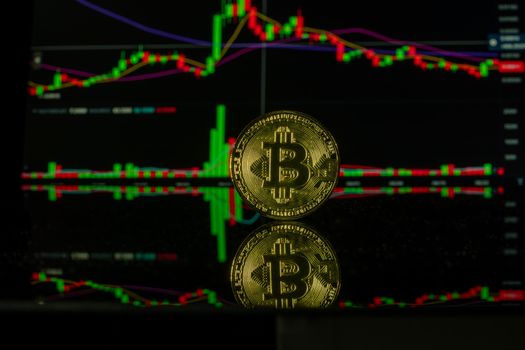
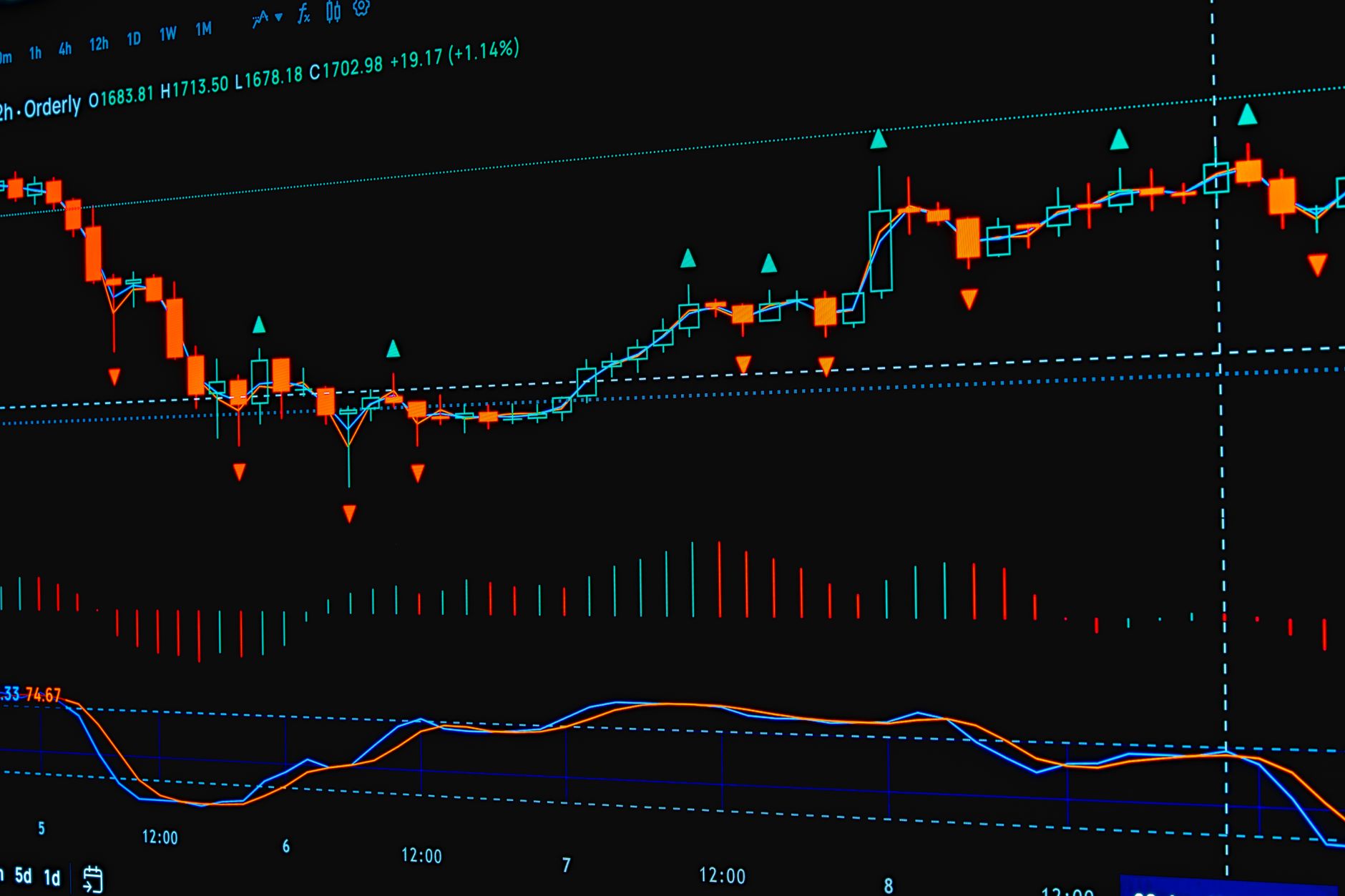
One of the most prominent aspects of understanding cryptocurrency investing risks is grappling with its inherent market volatility. Unlike traditional stock markets, which often have circuit breakers and historical precedents to lean on, crypto markets operate 24/7, globally, and without centralized control. This can lead to dramatic price swings in very short periods, sometimes within hours or even minutes. Factors contributing to this volatility include speculative trading, relatively low liquidity for many altcoins, influencer sentiment, and macroeconomic events. For instance, a single tweet from a prominent figure can send a coin's value soaring or plummeting. Similarly, news of a regulatory crackdown in one country can trigger a ripple effect across the entire global crypto market.
New investors often find this level of fluctuation daunting. It's not uncommon for a portfolio to see 20-30% gains or losses in a single day. This extreme variability means that while the potential for high returns exists, the risk of significant capital loss is equally real. Understanding the underlying mechanisms of these price movements is crucial. Are you investing in a project with a strong technological foundation and a clear use case, or are you chasing hype? The latter often leads to 'pump and dump' schemes, where prices are artificially inflated by a group of investors who then sell off their holdings, leaving latecomers with worthless assets.
Furthermore, the nascent nature of many crypto projects means that their long-term viability is unproven. A project that looks promising today might fail to gain adoption or face insurmountable technical challenges tomorrow. This speculative element adds another layer of risk. Investors must be prepared for the possibility that their initial investment could drop substantially or even become worthless. Developing a robust investment strategy that accounts for this volatility, such as dollar-cost averaging or setting clear stop-loss orders, can help manage these risks. It's also vital to only invest capital you can afford to lose, ensuring that potential losses do not impact your financial stability. The psychological impact of such rapid changes should also not be underestimated; emotional decisions fueled by fear or greed often lead to poor outcomes.
Regulatory Uncertainty and Its Impact on Digital Assets
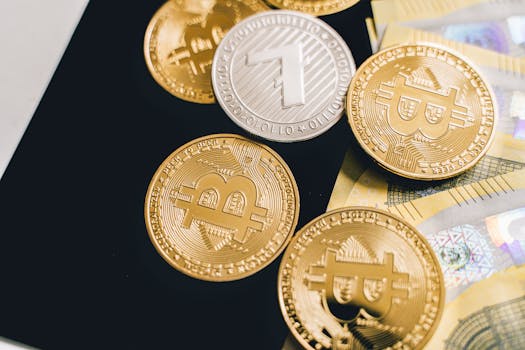
Photo: www.kaboompics.com / Pexels
The regulatory landscape surrounding cryptocurrencies in the US, and globally, is still very much in flux, presenting another significant challenge for investors. Unlike established financial markets governed by decades of legislation and oversight bodies like the SEC and FINRA, digital assets often fall into grey areas. This lack of clear, consistent regulation creates considerable uncertainty regarding the legal status of various cryptocurrencies, their classification (e.g., security vs. commodity), and the rules governing exchanges and other service providers.
Different government agencies in the US hold varying perspectives and jurisdictions. The Securities and Exchange Commission (SEC) often views many cryptocurrencies as unregistered securities, leading to enforcement actions against projects and exchanges. The Commodity Futures Trading Commission (CFTC) considers Bitcoin and Ethereum as commodities. Meanwhile, the Treasury Department's Financial Crimes Enforcement Network (FinCEN) focuses on anti-money laundering (AML) and know-your-customer (KYC) regulations for crypto businesses. This patchwork approach can be confusing and creates an environment where rules can change rapidly, potentially impacting the value and accessibility of certain digital assets.
For investors, this regulatory uncertainty translates into several risks. A sudden change in classification or new legislation could severely restrict trading, impose new tax liabilities, or even deem certain assets illegal. For example, if a widely held cryptocurrency is suddenly declared an unregistered security and its trading is halted on major US exchanges, its value could plummet overnight. The ongoing debate about stablecoin regulation and central bank digital currencies (CBDCs) also highlights the potential for future shifts that could reshape the market.
Compliance costs for crypto businesses are also rising, which can be passed on to users through higher fees or reduced service offerings. Furthermore, the lack of clear consumer protection frameworks, compared to traditional finance, means investors have fewer avenues for recourse if something goes wrong, such as an exchange collapse or a fraudulent project. Staying informed about legislative developments and understanding the potential implications of new regulations is paramount for anyone navigating the US crypto market. Investors should be aware that the regulatory environment is a moving target, and what is permissible today may not be tomorrow.
Security Breaches, Scams, and Custody Challenges
Photo: Bastian Riccardi / Pexels
Beyond market dynamics and regulatory hurdles, the technical and operational risks associated with digital assets are substantial, making understanding cryptocurrency investing risks incomplete without addressing security. The decentralized nature of many cryptocurrencies, while a core strength, also means there's no central authority to bail out investors in the event of a hack or fraud.
Hacks of cryptocurrency exchanges and platforms have been a recurring theme since the early days of Bitcoin. High-profile incidents, such as the Mt. Gox collapse or the various decentralized finance (DeFi) protocol exploits, have resulted in billions of dollars in stolen funds. While exchanges have improved security, they remain attractive targets for cybercriminals. If an exchange you use is hacked, your funds could be irretrievably lost. This underscores the importance of choosing reputable exchanges with strong security track records, insurance policies (where available), and implementing robust personal security practices.
Scams are also rampant in the crypto space. These can range from sophisticated phishing attacks designed to steal your private keys or login credentials, to elaborate 'rug pulls' where project developers disappear with investor funds, to fake initial coin offerings (ICOs) or airdrops. Social media is often a breeding ground for such scams, with impersonators and deceptive advertising luring unsuspecting investors. Due diligence is critical here: verify official sources, be wary of unsolicited offers, and understand that if something sounds too good to be true, it almost certainly is.
Custody of your digital assets presents another layer of risk. Storing cryptocurrencies on an exchange (hot wallet) offers convenience but exposes you to exchange-specific risks. Moving funds to a personal wallet, especially a hardware wallet (cold storage), significantly enhances security but shifts the responsibility entirely to you. Losing your private keys or seed phrase means permanent loss of your funds, with no recovery option. There's no 'forgot password' button in crypto. This highlights the critical need for secure backup procedures and careful management of your wallet's access credentials. Understanding these technical nuances and adopting best practices for digital asset security is fundamental to protecting your investments.
Decentralized Finance (DeFi) Risks and Liquidity Pools
Photo: RDNE Stock project / Pexels
The emergence of Decentralized Finance (DeFi) has revolutionized the crypto landscape, offering a myriad of services from lending and borrowing to decentralized exchanges and yield farming. While DeFi promises greater financial inclusivity and efficiency, it also introduces a new spectrum of complex and often magnified risks for investors.
Here are some key DeFi risks to be aware of:
* **Smart Contract Vulnerabilities:** DeFi protocols are built on smart contracts – self-executing agreements coded onto a blockchain. These contracts can contain bugs or vulnerabilities that hackers can exploit, leading to significant financial losses. Even audited contracts are not immune.
* **Impermanent Loss:** A risk specific to providing liquidity to decentralized exchanges (DEXs) is impermanent loss. This occurs when the price of your deposited assets changes compared to when you deposited them. While you still have your assets, their dollar value might be less than if you had simply held them outside the liquidity pool.
* **Oracle Risks:** Many DeFi protocols rely on 'oracles' to feed real-world data (like asset prices) onto the blockchain. If an oracle feed is compromised or provides incorrect data, it can lead to incorrect liquidations, price manipulation, or other devastating financial consequences for users.
* **Composability Risks (Lego Bricks):** DeFi protocols are often built on top of each other like digital Lego bricks. While this enables innovation, a vulnerability or failure in one underlying protocol can have cascading effects across multiple dependent protocols, leading to widespread losses.
* **Rug Pulls and Exit Scams:** The anonymous nature of many DeFi projects makes them fertile ground for 'rug pulls,' where developers launch a project, attract significant investment, and then abandon it, taking all the liquidity.
* **Liquidation Risks:** In DeFi lending, if the value of your collateral falls below a certain threshold, your position can be automatically liquidated, often at unfavorable prices, to repay the loan.
* **Gas Fees:** Network congestion can lead to extremely high transaction fees (gas fees), especially on Ethereum. This can make small transactions uneconomical and can even cause transactions to fail, leading to wasted fees.
Investing in DeFi requires a deep technical understanding, constant vigilance, and a high tolerance for risk. It's essential to thoroughly research any protocol, understand its underlying mechanics, and be aware that even seemingly robust projects can fail due to unforeseen circumstances or exploits. Start with small amounts and gradually increase as your understanding grows.
Comparison
Feature
Traditional Stocks
Cryptocurrency
Real Estate
Gold
Volatility
Moderate
Very High
Low-Moderate
Moderate
Liquidity
High
High (Major Cryptos), Low (Altcoins)
Low
High
Regulation (US)
Mature & Strict
Evolving & Unclear
Mature & Local
Mature & Global
Security Risks
Brokerage Hacks
Exchange Hacks, Scams, Lost Keys
Fraud, Physical Damage
Theft, Storage Costs
Entry Barrier
Low
Low
High
Low-Moderate
Decentralization
✗
✓
✗
✗
What Readers Say
★★★★★
"This article was an eye-opener for understanding cryptocurrency investing risks. I thought I knew enough, but the section on DeFi risks really highlighted areas I hadn't considered. It's incredibly helpful for making informed decisions."
Sarah J. · Austin, TX
★★★★★
"As a new investor, the volatility section resonated deeply. It helped me re-evaluate my portfolio and realize the importance of not over-extending. This guide is a must-read for anyone in crypto."
Mark D. · Miami, FL
★★★★★
"After reading this, I implemented hardware wallet security and diversified my crypto holdings. My peace of mind has significantly improved, thanks to the practical advice on understanding cryptocurrency investing risks."
Emily R. · Seattle, WA
★★★★★
"While comprehensive, some of the technical DeFi explanations were a bit dense for a beginner. However, the overall emphasis on security and regulatory awareness is invaluable. I've definitely become a more cautious investor."
David L. · Chicago, IL
★★★★★
"I work in traditional finance, and this article provided an excellent bridge to understanding cryptocurrency investing risks from a professional perspective. The regulatory uncertainty points are spot on and crucial for any serious investor."
Jessica M. · Denver, CO
Frequently Asked Questions
What is the biggest risk in cryptocurrency investing?
The biggest risk is arguably market volatility, as prices can fluctuate dramatically and unpredictably, leading to rapid and substantial capital losses. Combined with regulatory uncertainty and potential security breaches, this makes crypto a high-risk investment class. Always invest only what you can afford to lose.
Is it safe to invest in cryptocurrency in the US?
Investing in cryptocurrency in the US carries inherent risks, similar to other regions, primarily due to market volatility, security threats, and evolving regulations. While major exchanges offer some protections, the lack of comprehensive investor safeguards compared to traditional finance means investors must exercise extreme caution and conduct thorough due diligence.
How can I protect my cryptocurrency investments from hacks?
To protect your cryptocurrency investments, use strong, unique passwords and two-factor authentication (2FA) on all accounts. Consider using a hardware wallet (cold storage) for significant holdings, and be extremely wary of phishing attempts, unsolicited links, and suspicious software. Never share your private keys or seed phrase.
What are the tax implications of cryptocurrency in the US?
In the US, the IRS classifies cryptocurrency as property for tax purposes. This means that buying, selling, trading, or using crypto to purchase goods/services can trigger capital gains or losses, which must be reported. Understanding these obligations and keeping meticulous records is crucial to avoid penalties.
How does cryptocurrency investing compare to stock market investing regarding risk?
Cryptocurrency investing generally carries significantly higher risk than traditional stock market investing. Crypto markets are far more volatile, less regulated, and susceptible to unique technical risks like smart contract vulnerabilities and exchange hacks. While potential returns can be higher, so too is the potential for complete loss of capital.
Who should consider investing in cryptocurrency?
Individuals with a high tolerance for risk, a deep understanding of the technology and market dynamics, and who have already secured their traditional financial stability should consider investing in cryptocurrency. It's not suitable for those who cannot afford to lose their principal investment or who are looking for guaranteed returns.
Are stablecoins truly 'stable' and risk-free?
While stablecoins aim to maintain a pegged value (e.g., to the US dollar), they are not entirely risk-free. Risks include the solvency and transparency of the issuing entity's reserves, regulatory changes affecting their legal status, and potential smart contract vulnerabilities if they are algorithmic stablecoins. Always research the specific stablecoin's backing and audit reports.
What is the future outlook for cryptocurrency regulation in the US?
The future outlook for cryptocurrency regulation in the US suggests increasing scrutiny and the eventual development of more comprehensive frameworks. Lawmakers and regulators are actively working on legislation to address consumer protection, market integrity, stablecoins, and DeFi. This could lead to both clearer guidelines and potentially stricter controls, impacting market dynamics.
Armed with a deeper understanding of cryptocurrency investing risks, you are better equipped to make informed decisions. Remember, knowledge is your strongest asset in this dynamic market. Proceed with caution, conduct thorough research, and always prioritize your financial well-being.