Before any investment, deeply research the project, its technology, team, and market cap. Understand the fundamental value proposition and potential use cases.
2
Assess Risk Tolerance
Determine how much capital you are truly willing to lose without impacting your financial stability. Cryptocurrency investments should only constitute a small portion of a diversified portfolio.
3
Choose Secure Platforms
Select reputable and regulated exchanges or brokers with strong security protocols and insurance. Use hardware wallets for long-term storage of significant holdings.
4
Diversify and Monitor
Avoid putting all your funds into a single asset. Diversify across different cryptocurrencies and regularly monitor market news, regulatory updates, and your portfolio's performance.
The Intrinsic Volatility of Digital Assets
Photo: Rafael Minguet Delgado / Pexels
The most immediately apparent risk when considering cryptocurrency investing is its inherent volatility. Unlike traditional assets, which often react to economic indicators, corporate earnings, or geopolitical events in predictable patterns, cryptocurrencies can experience dramatic price swings based on a confluence of factors, many of which are unique to the digital asset space. A single tweet from an influential figure, a regulatory announcement from a government body, or even a technical glitch on an exchange can send prices soaring or plummeting by double-digit percentages within hours. This extreme price fluctuation makes it challenging for even seasoned investors to predict market movements and can lead to significant, rapid losses. Factors contributing to this volatility include the relatively small market capitalization compared to traditional financial markets, making it easier for large trades to impact prices; the speculative nature of much of the investment, driven by hype rather than fundamental value; and the 24/7 global trading environment, which allows for continuous price discovery without the circuit breakers or trading halts common in stock markets. Understanding this fundamental characteristic is paramount. Investors must be prepared for the possibility of substantial capital depreciation and avoid investing funds they cannot afford to lose. The allure of quick gains often overshadows the very real potential for equally swift and devastating losses. Moreover, the historical performance of any cryptocurrency is not indicative of future results, and past gains can be wiped out in an instant. This unpredictability necessitates a disciplined approach, often favoring long-term holding strategies over short-term trading, and underscores the importance of a well-defined risk management strategy. Without a clear understanding of volatility, investors risk emotional decisions that can exacerbate losses. The psychological toll of watching one's portfolio erode can be significant, leading to panic selling at the worst possible time. Therefore, a calm, rational approach, grounded in a thorough understanding of market dynamics, is essential for navigating the highly volatile crypto landscape.
Navigating Regulatory Uncertainty and Compliance in the US
Photo: David McBee / Pexels
For US investors, the landscape of cryptocurrency regulation is a complex and constantly evolving puzzle, posing one of the most significant long-term risks. Unlike established financial markets governed by clear rules from entities like the SEC and FINRA, digital assets often fall into grey areas, leading to inconsistent enforcement and a lack of clear guidelines. Different government agencies view cryptocurrencies through varying lenses – some as commodities (CFTC), some as securities (SEC), and others as property (IRS). This lack of a unified regulatory framework creates substantial uncertainty for businesses operating in the crypto space and for individual investors. New regulations can emerge suddenly, impacting the legality of certain assets, the operation of exchanges, or even the tax implications of transactions. For example, the SEC's stance on whether certain cryptocurrencies constitute unregistered securities has led to lawsuits and significant market disruptions for affected projects. The IRS has been clear that cryptocurrencies are treated as property for tax purposes, meaning every transaction (selling, trading, or using crypto to buy goods/services) can be a taxable event, requiring meticulous record-keeping. Failure to comply can lead to severe penalties. Furthermore, states often have their own licensing requirements for crypto businesses, adding another layer of complexity. Investors must stay informed about potential legislative changes, understand the tax implications of their crypto activities, and choose platforms that are committed to compliance within the US. The risk here is not just about avoiding legal trouble, but also about the potential for market access to change, or for certain assets to become less viable due to regulatory crackdowns. The US government's approach to stablecoins, DeFi, and NFTs is still being shaped, and any definitive rulings could have profound effects. An informed investor recognizes that regulatory clarity, while potentially beneficial in the long run, will likely come with increased scrutiny and compliance burdens, which could impact the decentralized nature and accessibility that initially attracted many to crypto. Keeping abreast of these developments is crucial for any US-based individual or institution involved in the crypto market.
Security Vulnerabilities and the Threat of Cybercrime
Photo: Morthy Jameson / Pexels
The digital nature of cryptocurrencies inherently exposes them to a unique set of security risks, primarily cybercrime. While blockchain technology itself is designed to be secure and immutable, the points of interaction – exchanges, wallets, and smart contracts – are often targets for malicious actors. Hacks and security breaches are unfortunately common occurrences in the crypto space, leading to the loss of billions of dollars in investor funds annually. These incidents can range from sophisticated phishing attacks that trick users into revealing private keys, to large-scale breaches of centralized exchanges, where hackers exploit vulnerabilities in the platform's infrastructure. The decentralized finance (DeFi) sector, while innovative, introduces additional layers of risk. Many DeFi protocols rely on complex smart contracts, which are essentially self-executing code. Bugs or vulnerabilities within this code can be exploited, leading to the draining of liquidity pools or other unauthorized transactions. Audits are conducted, but they are not foolproof, and new attack vectors are constantly being discovered. The immutability of blockchain, while a strength, also means that once funds are stolen and transferred, they are often irrecoverable. There is no central authority to reverse transactions, unlike traditional banking systems. Therefore, securing one's digital assets is largely the investor's responsibility. This includes using strong, unique passwords, enabling two-factor authentication (2FA), being wary of suspicious links or unsolicited messages, and crucially, understanding the difference between hot wallets (connected to the internet) and cold wallets (offline storage like hardware wallets). For significant holdings, hardware wallets are widely considered the gold standard for security, as they keep private keys offline and away from potential online threats. Even with these precautions, the landscape of cyber threats is constantly evolving, requiring continuous vigilance. The responsibility for securing investments rests heavily on the individual, making it imperative to adopt best practices for digital asset security. Neglecting these aspects can turn a promising investment into a devastating loss, highlighting the critical importance of robust personal security measures in the crypto world. Building a secure digital asset portfolio requires constant attention to these evolving threats.
Common Pitfalls and Mitigation Strategies for Investors
Photo: Jonathan Borba / Pexels
Beyond the inherent volatility, regulatory uncertainty, and security threats, investors face several common pitfalls that can undermine their success in the cryptocurrency market. Understanding and actively mitigating these risks is crucial for long-term survival and potential growth. Here are some key areas and strategies:
* **Lack of Liquidity:** Not all cryptocurrencies are traded equally. Smaller, newer projects can have very low trading volumes, meaning it might be difficult to buy or sell significant amounts without drastically affecting the price. This illiquidity can trap investors in positions they wish to exit. **Mitigation:** Focus on well-established projects with high trading volumes on reputable exchanges. Always check a project's liquidity before investing substantial capital.
* **Market Manipulation:** The relatively small size of the crypto market compared to traditional finance makes it susceptible to market manipulation tactics like 'pump and dump' schemes. Large holders (whales) or organized groups can artificially inflate prices and then sell off, leaving smaller investors with worthless assets. **Mitigation:** Be skeptical of projects with sudden, unexplained price surges, especially those heavily promoted on social media. Conduct thorough due diligence and avoid FOMO (Fear Of Missing Out).
* **Project Failure/Rug Pulls:** Thousands of crypto projects exist, and many fail due to poor execution, lack of adoption, or outright scams (known as 'rug pulls' where developers abandon a project and disappear with investor funds). **Mitigation:** Invest only in projects with clear use cases, strong development teams, transparent roadmaps, and active communities. Look for projects with audited code and established track records.
* **Over-Leverage:** Trading with borrowed money (leverage) can amplify gains but also magnify losses, often leading to rapid liquidation of positions. **Mitigation:** Avoid leverage, especially as a beginner. Stick to spot trading with capital you own outright.
* **Emotional Investing:** The high-stakes nature of crypto can lead to emotional decisions – panic selling during dips or buying into hype at market peaks. **Mitigation:** Develop a clear investment strategy, set entry and exit points, and stick to them. Practice patience and discipline, and avoid checking your portfolio obsessively.
* **Information Overload & Misinformation:** The crypto space is awash with information, much of it contradictory or biased. It can be hard to discern reliable sources. **Mitigation:** Rely on reputable news sources, academic research, and official project documentation. Be critical of social media claims and 'influencer' advice.
By proactively addressing these common pitfalls, investors can significantly improve their chances of navigating the turbulent cryptocurrency markets more effectively and protect their hard-earned capital from unnecessary risks.
Comparison
Risk Factor
Traditional Stocks
Real Estate
Cryptocurrency
Volatility
Moderate
Low (long-term)
Very High
Regulatory Clarity
High
High
Low/Evolving
Cybersecurity Risk
Low (brokerage)
Minimal
Very High
Liquidity
High
Low
Varies (High to Low)
Market Manipulation
Low (regulated)
Low
Moderate to High
Access/Entry Barrier
Low
High
Low
Decentralization
✗
✗
✓
What Readers Say
★★★★★
"This article was incredibly helpful for understanding cryptocurrency investing risks. It broke down complex topics like regulatory uncertainty in the US into digestible parts, making me feel much more prepared."
Sarah J. · Austin, TX
★★★★★
"I've been in crypto for a while, but this piece really highlighted some risks I hadn't fully considered, especially around DeFi security. A must-read for any serious investor."
Michael D. · New York, NY
★★★★★
"After reading this, I completely re-evaluated my portfolio and moved a significant portion to a hardware wallet. The section on security vulnerabilities saved me from potential disaster."
Emily R. · Seattle, WA
★★★★★
"Very comprehensive guide, though I wished for a bit more on specific tax-loss harvesting strategies in crypto. Still, it provides an excellent foundation for understanding cryptocurrency investing risks."
David L. · Miami, FL
★★★★★
"As someone new to crypto, the 'Common Pitfalls' section was a lifesaver. It helped me avoid several rookie mistakes and approach my first investments with much more caution."
Jessica M. · Chicago, IL
Frequently Asked Questions
What is the biggest risk in cryptocurrency investing?
The biggest risk is arguably the extreme volatility, where prices can change dramatically in short periods. This is compounded by regulatory uncertainty, security vulnerabilities to cybercrime, and the potential for illiquidity or project failure.
Is cryptocurrency investing safe for beginners in the US?
While accessible, cryptocurrency investing carries significant risks that beginners must understand. It's crucial to start with small amounts, invest only what you can afford to lose, and prioritize education on security and market dynamics before diving in.
How can I protect my crypto investments from hacks?
To protect your crypto, use strong, unique passwords and 2FA on all exchanges. For larger holdings, utilize a hardware wallet (cold storage). Be vigilant against phishing scams and only interact with reputable platforms. Never share your private keys.
What are the tax implications of crypto in the US?
In the US, the IRS treats cryptocurrency as property. This means selling, trading, or using crypto to pay for goods/services can trigger capital gains or losses, which must be reported on your taxes. Keeping meticulous records of all transactions is essential.
How does DeFi (Decentralized Finance) add to crypto risks?
DeFi introduces risks related to smart contract vulnerabilities, impermanent loss in liquidity pools, and the potential for 'rug pulls' by anonymous developers. While innovative, DeFi requires a deeper technical understanding and carries higher risk than traditional crypto investing.
Who should consider investing in cryptocurrency?
Individuals with a high-risk tolerance, a thorough understanding of the technology and market, and a long-term investment horizon might consider crypto. It should only be a small, diversified portion of an overall investment portfolio.
Are stablecoins truly 'stable' and risk-free?
While designed to maintain a stable value against a fiat currency (like the USD), stablecoins are not entirely risk-free. They carry risks related to the transparency and liquidity of their reserves, regulatory scrutiny, and potential de-pegging events, as seen with some algorithmic stablecoins.
What future trends might impact crypto investing risks?
Future trends include increasing regulatory clarity (which could bring stability but also compliance burdens), the maturation of institutional adoption, advancements in quantum computing (posing potential security threats), and the ongoing evolution of blockchain technology and its applications, all of which will reshape the risk landscape.
Armed with a comprehensive understanding of cryptocurrency investing risks, you are better equipped to make informed decisions. Remember, knowledge is your strongest asset in this dynamic market. Start your journey with caution, continuous learning, and a clear strategy to navigate the exciting yet challenging world of digital assets.
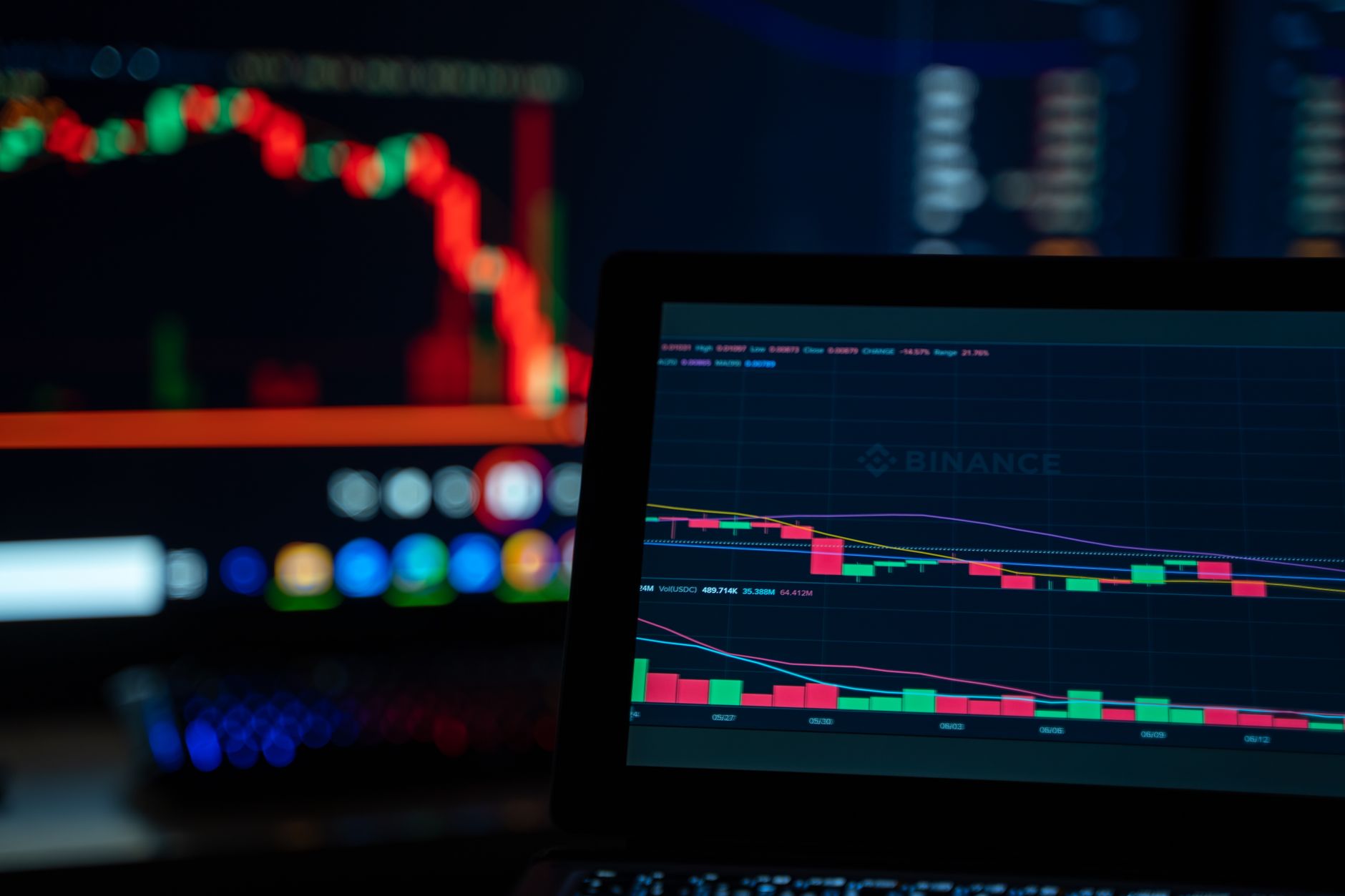
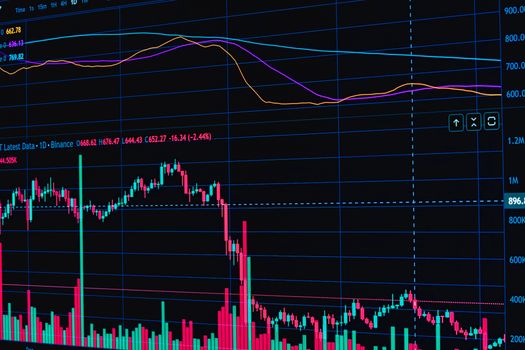 Photo: Rafael Minguet Delgado / Pexels
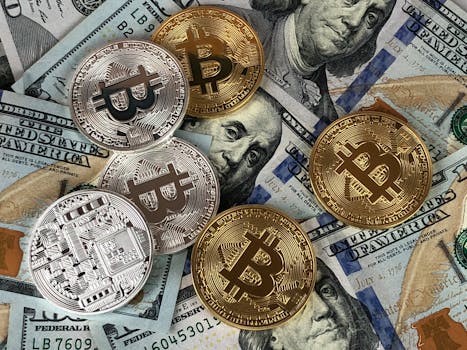 Photo: David McBee / Pexels
 Photo: Morthy Jameson / Pexels
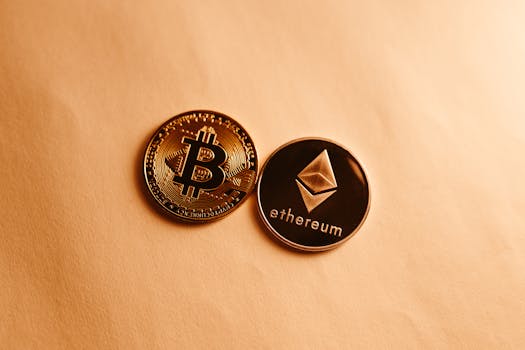 Photo: Jonathan Borba / Pexels