Understanding Inflation and Its Impact: Your Financial Guide
July 13, 2026 17 min read 3,330 words
Unravel the complexities of inflation and gain practical strategies to safeguard your financial future.
Secure Your Future
What is Inflation? Defining the Economic Phenomenon
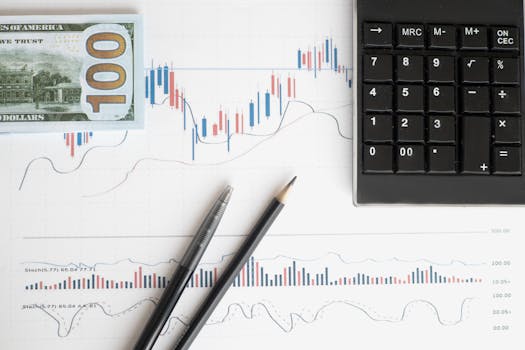 Photo: Hanna Pad / Pexels
In the vast and often perplexing world of finance, few concepts hold as much sway over our daily lives and long-term financial planning as inflation. At its core, inflation is defined as the rate at which the general level of prices for goods and services is rising, and consequently, the purchasing power of currency is falling. Imagine a loaf of bread that cost $2 a decade ago now costs $4; that's inflation in action. It's not just about a single item becoming more expensive, but a sustained increase across a broad spectrum of the economy. Understanding inflation and its impact begins with grasping this fundamental definition.
Inflation is primarily measured in the United States by the Consumer Price Index (CPI), which tracks the average change over time in the prices paid by urban consumers for a market basket of consumer goods and services. This basket includes everything from food and energy to housing, medical care, and transportation. The Bureau of Labor Statistics (BLS) compiles and releases this data monthly, offering a crucial barometer for the economy's health. Another important measure is the Personal Consumption Expenditures (PCE) price index, favored by the Federal Reserve, which often gives a slightly different picture due to its broader scope and different weighting methodologies. The choice of index can sometimes lead to varying interpretations of inflation's true rate, underscoring the complexity of its measurement.
There are several theories as to what causes inflation, but broadly, they can be categorized into two main types: demand-pull inflation and cost-push inflation. Demand-pull inflation occurs when aggregate demand in an economy outpaces aggregate supply. Essentially, too much money is chasing too few goods, leading sellers to raise prices. This can happen during periods of strong economic growth, low unemployment, or when there's a significant increase in the money supply, perhaps due to government stimulus or loose monetary policy. Think of a booming economy where everyone has jobs and is eager to spend; businesses can then charge more for their products because consumers are willing and able to pay.
Cost-push inflation, on the other hand, arises when the cost of producing goods and services increases. This could be due to higher wages, increased raw material prices (like oil), or supply chain disruptions. When businesses face higher production costs, they often pass these costs onto consumers in the form of higher prices to maintain their profit margins. A classic example is a sudden surge in global oil prices, which impacts transportation costs for virtually all goods, leading to widespread price increases. Both types of inflation can occur simultaneously, making it challenging for policymakers to address. Furthermore, inflationary expectations themselves can become a self-fulfilling prophecy: if consumers and businesses expect prices to rise, they may act in ways that contribute to those rises, such as demanding higher wages or raising prices preemptively. The Federal Reserve, the central bank of the United States, plays a critical role in managing inflation through monetary policy, primarily by adjusting interest rates. When inflation is too high, the Fed might raise interest rates to cool down the economy and reduce demand. Conversely, during periods of low inflation or deflation, they might lower rates to stimulate economic activity.
Understanding monetary policy is key to grasping how inflation is managed at a national level. This intricate dance between economic forces and policy decisions highlights why understanding inflation and its impact is not just an academic exercise, but a practical necessity for anyone navigating the financial landscape.
The Many Faces of Impact: How Inflation Affects You
 Photo: Engin Akyurt / Pexels
The impact of inflation is pervasive, touching every corner of the economy and every individual's financial life. From the price of groceries to the value of your savings, inflation subtly (and sometimes not so subtly) reshapes your economic reality. The most immediate and noticeable effect is the erosion of purchasing power. As prices rise, each dollar you possess buys less than it did before. This means that if your income doesn't keep pace with inflation, your real income — your actual buying capacity — decreases. For retirees living on fixed incomes, this can be particularly devastating, as their pensions or savings lose value over time without corresponding adjustments.
Inflation also has a significant impact on savings and investments. If your savings account offers an interest rate of 1% but inflation is running at 3%, you are effectively losing 2% of your money's value each year. This negative real return means your money is shrinking in terms of what it can buy, even as the numerical balance might grow. This phenomenon encourages people to seek investments that can outperform inflation, often leading them to take on more risk in search of higher returns. Bonds, for instance, which offer fixed interest payments, can see their real value diminish significantly during inflationary periods, making them less attractive unless their yields are sufficiently high to compensate for rising prices.
On the other hand, certain assets are considered better hedges against inflation. Real estate, for example, often appreciates in value during inflationary times, and rental income can also increase, providing a natural hedge. Commodities like gold, silver, and other raw materials are also frequently sought after as stores of value when inflation concerns rise, as their prices tend to move with the overall price level. Stocks can be a mixed bag; while companies can pass on higher costs to consumers and potentially see their revenues and profits grow in nominal terms, high inflation can also lead to higher interest rates, which can dampen economic activity and corporate earnings. Therefore, the impact on stocks depends heavily on the specific industry and the company's ability to adapt to rising costs and prices.
For borrowers, inflation can be a double-edged sword. On one hand, if you have a fixed-rate loan, such as a mortgage, inflation can be beneficial because the real value of your debt decreases over time. The money you use to repay the loan in the future will be worth less than the money you borrowed. On the other hand, new loans taken out during inflationary periods often come with higher interest rates, as lenders demand a premium to compensate for the erosion of their money's value. This can make borrowing more expensive for individuals and businesses, potentially slowing down investment and economic expansion. Understanding inflation and its impact on debt is crucial for personal financial planning and business strategy.
Moreover, inflation can create uncertainty in the economy, making it difficult for businesses to plan for the future. Unpredictable price increases can lead to hesitancy in investment and hiring, potentially slowing economic growth. It can also exacerbate income inequality, as those with fewer assets or lower incomes are often hit hardest by rising prices, especially for essential goods. Governments, too, feel the pinch; while inflation can reduce the real value of national debt, it can also increase the cost of government services and social programs. The delicate balance of managing inflation is a primary concern for central banks and fiscal authorities, as they strive to maintain price stability while fostering economic growth. The widespread and multifaceted nature of inflation's effects underscores why a thorough understanding is not merely academic, but a vital component of informed financial decision-making for every American.
Navigating Inflation: Strategies for Protection and Growth
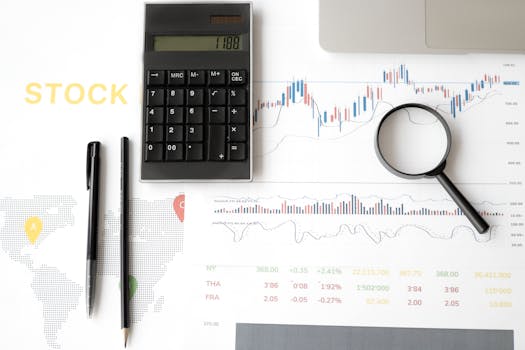 Photo: Hanna Pad / Pexels
Given inflation's pervasive influence, developing effective strategies to protect your wealth and even grow it in an inflationary environment is paramount. Simply holding cash or keeping all your money in low-interest savings accounts is a guaranteed way to see your purchasing power erode over time. Instead, proactive financial planning and strategic investment choices are essential for anyone serious about understanding inflation and its impact and mitigating its negative effects.
One of the most widely recommended strategies is to invest in assets that historically perform well during inflationary periods. Real estate is often cited as a strong inflation hedge. Property values tend to rise with inflation, and rental income can also be adjusted upwards, providing a natural income stream that keeps pace with rising costs. However, real estate requires significant capital and can be illiquid, so it's not suitable for everyone. Another popular inflation hedge is commodities, such as gold, silver, oil, and other raw materials. These assets often see their prices increase when the cost of living goes up, as they are fundamental inputs into the economy. Gold, in particular, has long been viewed as a safe haven asset during times of economic uncertainty and inflation.
For those looking for more direct inflation protection, Treasury Inflation-Protected Securities (TIPS) are a specific type of U.S. Treasury bond designed to protect investors from inflation. The principal value of TIPS adjusts with the Consumer Price Index (CPI), so both the principal and the interest payments rise with inflation. When TIPS mature, you receive either the original or adjusted principal, whichever is greater. This makes TIPS a very effective tool for preserving purchasing power, especially for long-term savings goals.
Exploring different investment vehicles can help diversify your portfolio against inflationary pressures.
Beyond specific asset classes, optimizing your debt management can also be a powerful strategy. If you have high-interest, variable-rate debt, such as credit card balances or adjustable-rate mortgages, prioritizing their repayment can shield you from potentially higher interest costs as central banks raise rates to combat inflation. Conversely, fixed-rate debt, like a traditional fixed-rate mortgage, can become less burdensome over time in real terms, as the fixed payments represent a smaller portion of your inflated future income. However, taking on new fixed-rate debt during high inflation might mean locking in higher interest rates, so timing and financial health are crucial considerations.
For individuals, adjusting personal budgets and spending habits is also vital. This might involve cutting down on discretionary spending, seeking out cheaper alternatives for goods and services, or focusing on increasing income through salary negotiations or side hustles. For businesses, strategies might include negotiating better terms with suppliers, implementing efficiency improvements to reduce operating costs, or adjusting pricing strategies to reflect the changing economic landscape. The key is to be agile and responsive to the evolving economic environment.
Finally, staying informed about economic indicators and central bank policies is critical. Understanding the Federal Reserve's stance on interest rates, monitoring CPI reports, and following expert economic analyses can provide valuable insights into the likely trajectory of inflation. This knowledge empowers you to make timely adjustments to your financial plan, whether it's rebalancing your investment portfolio, making a significant purchase, or negotiating a salary increase. By actively engaging with these strategies, you move beyond merely understanding inflation and its impact to proactively managing and thriving within its challenges, securing your financial well-being for the long run.
Common Mistakes and Smart Moves During Inflation
 Photo: Tima Miroshnichenko / Pexels
Navigating an inflationary environment successfully requires not only understanding what inflation is and how it impacts you but also being aware of common pitfalls and making smart, strategic decisions. Many individuals and businesses make mistakes that can amplify inflation's negative effects on their finances. Avoiding these errors and embracing proactive measures can significantly bolster your financial resilience.
**Common Mistakes to Avoid:**
* **Holding too much cash:** While having an emergency fund is crucial, keeping excessive amounts of cash in low-interest savings accounts during high inflation guarantees a loss of purchasing power. Your money's real value depreciates with each passing month.
* **Ignoring your budget:** Failing to regularly review and adjust your budget in response to rising prices can lead to overspending and financial strain. What was affordable last year might not be today.
* **Delaying investment decisions:** Procrastinating on investing, especially in assets that can hedge against inflation, means missing opportunities to protect and grow your wealth. Time in the market often beats timing the market.
* **Taking on excessive variable-rate debt:** As central banks raise interest rates to combat inflation, variable-rate loans become more expensive, increasing your monthly payments and financial burden.
* **Panicking and making rash decisions:** Emotional reactions to economic news, such as selling all investments during a downturn, can lock in losses and prevent recovery when the market eventually rebounds.
**Smart Moves to Implement:**
* **Prioritize debt repayment, especially high-interest and variable-rate debt:** Reducing debt frees up cash flow and protects you from rising interest costs. Consider refinancing fixed-rate debt if rates are favorable.
* **Invest in inflation-hedging assets:** Diversify your portfolio with assets like real estate (or REITs), commodities (gold, silver), TIPS, and potentially dividend-paying stocks of companies that can pass on costs.
* **Increase your income:** Seek opportunities for salary increases, bonuses, or take on a side hustle to ensure your income keeps pace with or outpaces inflation. Your skills are a valuable asset.
* **Review and adjust your budget regularly:** Track your spending meticulously and identify areas where you can cut back or find more cost-effective alternatives. Focus on essential spending and minimize discretionary costs.
* **Maintain an adequate emergency fund:** While not good for long-term growth, an emergency fund (3-6 months of living expenses) in an accessible, liquid account is essential for financial security, especially when prices are volatile.
* **Consider fixed-rate borrowing for major purchases:** If you need to borrow for a major expense like a home, locking in a fixed interest rate can protect you from future rate hikes, effectively reducing the real cost of your debt over time.
* **Invest in yourself:** Acquire new skills or further your education. Human capital is a powerful hedge against inflation, as higher-paying jobs can help you maintain or increase your purchasing power.
* **Stay informed and seek professional advice:** Regularly educate yourself on economic trends and consult with a financial advisor to tailor strategies to your specific situation. Their expertise can be invaluable in navigating complex financial landscapes.
By consciously avoiding these common errors and proactively adopting these smart financial moves, you can significantly improve your chances of not just surviving, but thriving, in an inflationary environment. Understanding inflation and its impact goes hand-in-hand with informed decision-making.
