
Understanding Inflation Impact on Savings: Protect Your Wealth
Discover how inflation erodes your purchasing power and practical strategies to safeguard your financial future.
Secure Your Savings NowKey Takeaways
- ✓ Inflation erodes the purchasing power of your savings over time.
- ✓ A 3% annual inflation rate halves your money's value in about 23 years.
- ✓ Cash held in low-interest accounts is most vulnerable to inflation.
- ✓ Investing in assets that outpace inflation is crucial for long-term wealth preservation.
How It Works
Understand that inflation isn't just about rising prices; it's about your money buying less tomorrow than it does today. This hidden tax silently diminishes your wealth.
Evaluate how much of your savings is in cash or low-yield accounts. These are the most susceptible to inflation's corrosive effects on purchasing power.
Explore various financial instruments and strategies designed to combat inflation. This includes considering investments that historically perform well during inflationary periods.
Put your chosen strategies into action and regularly review their effectiveness. Financial planning is an ongoing process, especially in a dynamic economic environment.
The Silent Erosion: How Inflation Undermines Your Savings
 Photo: Daniel Dan / Pexels
Identifying Your Savings' Vulnerability to Rising Costs
 Photo: ClickerHappy / Pexels
Strategies to Safeguard Your Savings Against Inflation
 Photo: DΛVΞ GΛRCIΛ / Pexels
Common Mistakes and Essential Tips for Inflation-Proofing Your Finances
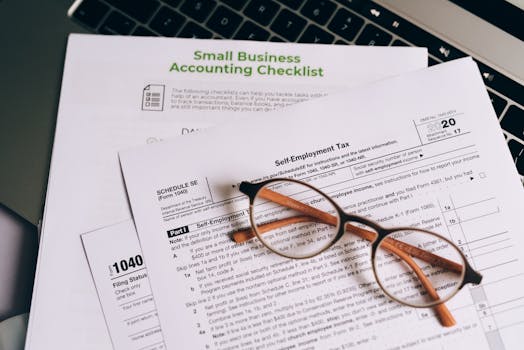 Photo: Leeloo The First / Pexels
Comparison
| Feature | Treasury Inflation-Protected Securities (TIPS) | Traditional Savings Account | Real Estate (Income-Generating) | Diversified Equity Portfolio |
|---|---|---|---|---|
| Inflation Protection | Excellent (principal adjusts with CPI) | Poor (loses purchasing power) | Good (values & rents can rise with inflation) | Good (strong companies can pass on costs) |
| Liquidity | Moderate (can be sold on secondary market) | Excellent (immediate access) | Low (takes time to sell) | Excellent (ETFs/mutual funds trade daily) |
| Risk Level | Low (backed by US government) | Very Low (FDIC insured) | Moderate to High (market fluctuations, tenant issues) | Moderate to High (market volatility) |
| Return Potential | Modest (real return guaranteed) | Very Low (often below inflation) | High (appreciation + rental income) | High (long-term growth) |
What Readers Say
"This article completely changed my perspective on my retirement savings. I was just letting my money sit, not truly understanding inflation impact on savings. Now I'm actively rebalancing my portfolio with inflation in mind."
Sarah J. · Austin, TX"Extremely helpful and comprehensive. I always knew inflation was bad, but the detailed breakdown of how it affects different savings vehicles was eye-opening. I'm now looking into TIPS for the first time."
Michael D. · Chicago, IL"After reading this, I moved a significant portion of my cash savings into more inflation-resistant investments. In just six months, I've seen my real returns improve, which is a huge relief for my financial future."
Emily R. · Miami, FL"While very informative, some sections felt a bit advanced for a beginner. However, the core message about understanding inflation impact on savings and the practical tips were invaluable. Definitely a must-read for anyone serious about their money."
David L. · Seattle, WA"As a small business owner, I often focus on business growth. This article reminded me of the importance of protecting my personal savings from inflation. The strategies for real assets were particularly relevant to my situation."
Jessica M. · Denver, COFrequently Asked Questions
What is the primary way inflation impacts my savings?
Inflation primarily impacts your savings by eroding their purchasing power. This means that over time, the same amount of money will buy fewer goods and services, effectively reducing the real value of your accumulated wealth without any change to the numerical balance in your account.
Is holding cash a good strategy during high inflation?
No, holding excessive amounts of cash during high inflation is generally a poor strategy. Cash loses its purchasing power at the full rate of inflation, meaning your money is steadily losing value in real terms. It's crucial to have an emergency fund, but beyond that, consider inflation-protected assets.
How can I calculate the real return on my savings?
You can calculate the real return on your savings by subtracting the inflation rate from the nominal interest rate or investment return. For example, if your savings account earns 2% interest and inflation is 3%, your real return is -1%, indicating a loss of purchasing power.
What are some of the best investments to protect against inflation?
Some of the best investments to protect against inflation include Treasury Inflation-Protected Securities (TIPS), real estate (especially income-generating properties or REITs), commodities like gold, and stocks of companies with strong pricing power that can pass on increased costs to consumers. Diversification is key.
How does inflation affect my retirement savings?
Inflation significantly affects retirement savings by making future living expenses more expensive than anticipated. What seems like a substantial retirement nest egg today may not be sufficient in 20 or 30 years if inflation isn't accounted for, potentially forcing a reduced standard of living.
Who should be most concerned about the understanding inflation impact on savings?
Everyone with savings should be concerned, but those closest to retirement, those with large cash holdings, and those on fixed incomes are particularly vulnerable. Long-term savers also need to be vigilant, as the compounding effect of inflation can be substantial over decades.
Are there any risks to investing in inflation-protected assets?
Yes, even inflation-protected assets carry some risks. For example, while TIPS protect against inflation, their real yield can be low. Real estate can be illiquid and subject to market downturns. Commodities are often volatile. Diversification and understanding the specific risks of each asset are essential.
Will inflation always be a concern for my savings?
Inflation is a persistent economic phenomenon, and while its rate fluctuates, it will almost always be a concern for your savings. It's crucial to adopt a long-term financial strategy that continually accounts for and adapts to inflationary pressures to preserve and grow your wealth.
Don't let inflation silently erode your hard-earned wealth. By understanding inflation impact on savings and applying the strategies outlined, you can protect and grow your financial future. Take control of your money's purchasing power today and secure the financial peace of mind you deserve.