What is a FICO Score and How to Improve It: Your Ultimate Guide
FICO score

What is a FICO Score and How to Improve It: Your Ultimate Guide

Master your FICO score to unlock better interest rates, loan approvals, and overall financial well-being.

Boost Your Credit Today

Key Takeaways

  • ✓ A FICO score is a three-digit number representing your credit risk.
  • ✓ Scores range from 300 to 850, with higher scores indicating lower risk.
  • ✓ Five main factors influence your FICO score: payment history, amounts owed, length of credit history, new credit, and credit mix.
  • ✓ Monitoring your credit report regularly is crucial for identifying errors and understanding your score.

How It Works

1
Understand Your Current Score

Access your credit reports from all three major bureaus (Equifax, Experian, TransUnion) to see your current FICO scores. This initial check helps identify any discrepancies or areas needing improvement.

2
Identify Influencing Factors

Analyze the five key components of your FICO score to understand which areas are strong and which require attention. Focus on payment history and credit utilization first, as they have the most significant impact.

3
Implement Improvement Strategies

Based on your analysis, strategically apply methods like paying bills on time, reducing debt, and avoiding new credit applications. Consistency is key for long-term score improvement.

4
Monitor Progress & Maintain

Regularly monitor your credit reports and scores to track your progress and ensure no new issues arise. Maintaining good credit habits is essential for sustaining a high FICO score over time.

Understanding the Fundamentals of Your FICO Score

An outdoor image of hands holding an empty black wallet, suggesting financial scarcity. Photo: Ahsanjaya / Pexels
Your FICO score is more than just a number; it's a powerful reflection of your financial reliability, playing a pivotal role in countless aspects of your life. Developed by the Fair Isaac Corporation, this three-digit figure (ranging from 300 to 850) is used by 90% of top lenders to assess your creditworthiness. A higher score signifies a lower risk to lenders, making you eligible for better interest rates on loans, credit cards, and mortgages, potentially saving you thousands of dollars over time. Conversely, a low score can lead to loan denials, higher interest rates, and even impact your ability to rent an apartment or secure certain jobs. Understanding the nuances of what constitutes your FICO score is the first critical step toward mastering your financial destiny. It's not just about knowing the number, but comprehending the data points that contribute to its calculation and how those data points are weighted. For instance, payment history and amounts owed carry the most significant weight, indicating that timely payments and responsible debt management are paramount. Many people mistakenly believe that their FICO score is a static figure, but it's dynamic, changing as your financial behaviors evolve. Every action, from opening a new credit card to paying off a loan, can impact your score. This constant flux means that even if your score isn't where you want it to be today, consistent positive actions can lead to substantial improvements over time. Furthermore, it's important to recognize that you don't have just one FICO score. There are different versions of FICO scores (e.g., FICO Score 8, FICO Score 9, industry-specific scores for auto loans or mortgages) and scores from the three major credit bureaus (Equifax, Experian, TransUnion). While these scores may vary slightly, they are all based on the information in your credit reports, and the underlying principles for improving them remain largely consistent. Therefore, focusing on fundamental credit health will positively influence all versions of your FICO score. Understanding these foundational elements is crucial for anyone looking to navigate the complex world of personal finance effectively and harness the power of a strong credit profile. For more insights into how different types of credit affect your overall financial standing, consider exploring resources on managing various debt types.

The Five Pillars: What Influences Your FICO Score
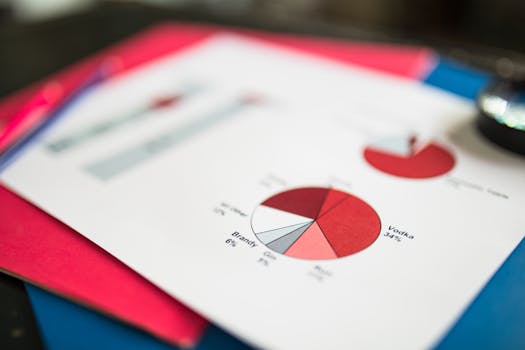
Close-up of financial pie chart on colorful paper, highlighting data analysis concepts. Photo: RDNE Stock project / Pexels
To effectively improve your FICO score, it’s essential to dissect the five core components that Fair Isaac Corporation uses to calculate it. Each component carries a different weight, providing a roadmap for where to focus your efforts. The largest slice of the pie, accounting for 35% of your score, is your **Payment History**. This factor evaluates whether you've paid your credit accounts on time. Late payments, bankruptcies, liens, and charge-offs can severely damage your score, while a consistent record of on-time payments is the most powerful positive influence. Even a single 30-day late payment can drop your score by dozens of points, highlighting the critical importance of never missing a due date. Setting up automatic payments for all your bills is a simple yet highly effective strategy to safeguard this crucial component. The second most influential factor, making up 30% of your score, is **Amounts Owed**, also known as credit utilization. This refers to the amount of credit you're using compared to your total available credit. A high utilization ratio signals higher risk to lenders. Ideally, you should aim to keep your total credit utilization below 30% across all your revolving accounts. For example, if you have a credit card with a $10,000 limit, try to keep your balance below $3,000. Paying down credit card balances significantly can rapidly boost this aspect of your score. **Length of Credit History** contributes 15% to your FICO score. This factor considers how long your credit accounts have been open, including the age of your oldest account and the average age of all your accounts. A longer credit history generally indicates more experience managing credit, which is viewed favorably by lenders. This is why it's often advised not to close old, unused credit accounts, as doing so can shorten your average credit age. **New Credit** accounts for 10% of your score. This includes the number of recently opened accounts and recent credit inquiries. Opening multiple new credit accounts in a short period can be seen as risky, as it might suggest financial distress or an inability to manage existing credit. Each 'hard inquiry' (when a lender checks your credit for a new application) can temporarily ding your score, so apply for new credit only when necessary. Finally, **Credit Mix** makes up the remaining 10%. This factor evaluates the different types of credit you have, such as revolving credit (credit cards) and installment loans (mortgages, auto loans, student loans). Demonstrating that you can responsibly manage various types of credit can positively impact your score, showing versatility in handling debt. While it's the smallest factor, a healthy mix indicates financial maturity. Understanding these five pillars empowers you to strategize your credit management effectively, focusing on the areas that will yield the most significant positive impact on your FICO score.

Actionable Strategies: How to Improve Your FICO Score Systematically

Hands using laptop with card reader for secure online payment. Technology-driven financial transaction. Photo: REINER SCT / Pexels
Improving your FICO score is a marathon, not a sprint, requiring consistent effort and strategic financial habits. The good news is that by focusing on the five pillars, you can systematically build a stronger credit profile. The most impactful strategy, directly addressing the 35% payment history component, is to **pay all your bills on time, every time**. This includes credit card bills, loan payments, utility bills, and even rent if reported to credit bureaus. Set up automatic payments or calendar reminders to ensure you never miss a due date. Even one late payment can have a disproportionately negative effect, so prioritize this above all else. Next, tackle your **credit utilization ratio**, which impacts 30% of your score. Aim to keep your credit card balances as low as possible, ideally below 30% of your total available credit. For instance, if you have a combined credit limit of $20,000 across all your cards, strive to keep your total outstanding balance below $6,000. Paying down revolving debt is one of the quickest ways to see a positive change in your score. If you can't pay off balances completely, try to make multiple small payments throughout the month instead of one large payment at the end, as your credit utilization is often reported monthly. Building a **longer credit history** (15% impact) takes time, but you can protect it. Avoid closing old credit card accounts, especially those with good payment histories, as this can shorten your average account age. Even if you don't use them frequently, keeping them open and active (perhaps with a small, recurring charge you pay off immediately) can be beneficial. For those starting, consider becoming an authorized user on an established, well-managed credit account, which can help build your history based on the primary user's good behavior. When it comes to **new credit** (10% impact), exercise caution. Only apply for new credit when absolutely necessary. Each hard inquiry can temporarily dip your score, and opening too many new accounts in a short period can make you appear risky to lenders. Space out your applications and only apply for credit you genuinely need and can manage responsibly. Finally, focus on developing a healthy **credit mix** (10% impact) over time. This doesn't mean taking out loans you don't need, but rather demonstrating responsible management of different credit types as they naturally arise in your life. For example, responsibly managing a credit card and an auto loan shows diversity in your credit profile. Regularly **monitor your credit report** for errors. You are entitled to a free credit report from each of the three major bureaus annually via AnnualCreditReport.com. Dispute any inaccuracies immediately, as these can unfairly drag down your score. By diligently applying these strategies, you'll be well on your way to a significantly improved FICO score and greater financial opportunities.

Common Pitfalls and Advanced Tips for FICO Score Optimization

Stock analysis workspace featuring charts, a calculator, and currency for data-driven insights. Photo: Hanna Pad / Pexels
While the path to a higher FICO score is clear, many individuals fall into common traps that can hinder their progress or even damage their scores. Avoiding these pitfalls is just as crucial as implementing positive strategies. One significant mistake is **closing old credit card accounts**. As discussed, this reduces the average age of your credit history, negatively impacting 15% of your score. Even if an account is unused, keeping it open and in good standing is generally beneficial. Another pitfall is **applying for too much new credit too quickly**. While sometimes necessary, multiple hard inquiries and new accounts in a short period signal higher risk and can lower your score due to the 'new credit' factor (10%). Be judicious with your applications. Many also make the mistake of **only paying the minimum balance** on credit cards. While this avoids late payments, it keeps your credit utilization high, which is detrimental to 30% of your score. Always strive to pay more than the minimum, or ideally, the full balance, to reduce your amounts owed. Neglecting to **monitor your credit report** is another common oversight. Errors can occur, and identity theft is a real threat. Regular monitoring allows you to catch and dispute inaccuracies promptly, preventing them from unfairly dragging down your score. Finally, some people mistakenly believe that carrying a small balance on a credit card helps their score; this is a myth. Paying your balance in full every month is always the best strategy for optimal credit utilization. **Advanced Tips for Optimization:** * **Become an Authorized User:** If you're new to credit or rebuilding, ask a trusted family member with excellent credit to add you as an authorized user on one of their long-standing, well-managed credit cards. Their positive payment history can reflect on your report, but ensure they are responsible with their credit. * **Request Credit Limit Increases:** If you have a good payment history, ask your credit card issuers for a credit limit increase. This can lower your credit utilization ratio (amounts owed) without increasing your debt, provided you don't spend up to the new limit. * **Consider a Secured Credit Card:** For those with very poor or no credit, a secured credit card requires a deposit but can be a stepping stone to building a positive payment history when managed responsibly. * **Utilize Experian Boost:** Experian Boost allows you to add positive payment history from utility and telecom bills to your Experian credit report, potentially increasing your FICO score. While not all FICO models consider this, it can offer an immediate lift for some. * **Diversify Your Credit Mix Thoughtfully:** Over time, responsibly managing a mix of revolving credit (credit cards) and installment loans (e.g., a small personal loan paid off diligently) can positively influence your score, but only if the debt is necessary and manageable. By understanding and avoiding these common mistakes while implementing these advanced strategies, you can optimize your FICO score more effectively and achieve your financial goals.

Comparison

Credit FactorBest Practice for FICOCommon MistakeImpact on Score
Payment History (35%)Pay all bills on time, every time.Missing payments or paying late.Most significant positive/negative impact.
Amounts Owed (30%)Keep credit utilization below 30% (ideally 1-10%).Maxing out credit cards.High impact on score, quick to change.
Length of Credit History (15%)Keep old accounts open and active.Closing old, unused accounts.Gradual impact, takes time to build.
New Credit (10%)Apply for new credit only when needed, space out applications.Applying for multiple new accounts quickly.Temporary dip, then recovery if managed well.
Credit Mix (10%)Responsibly manage different credit types (cards, loans).Only having one type of credit or too many of one type.Smallest impact, but contributes to overall health.

What Readers Say

"This article completely demystified what is a FICO score and how to improve it. I followed the advice on reducing credit utilization and saw my score jump 40 points in three months! Truly invaluable information."

Sarah J. · Austin, TX

"As someone new to managing my own finances, this guide was a lifesaver. The breakdown of the five factors made it so easy to understand where I needed to focus my efforts. My FICO score is steadily climbing thanks to these tips."

Mark D. · Chicago, IL

"I was stuck with a mediocre FICO score for years. After reading this, I implemented automatic payments and started paying down my oldest credit card. My score went from 680 to 735 in six months, allowing me to refinance my car loan at a much lower rate!"

Emily R. · Denver, CO

"The information provided here is incredibly comprehensive. While some of the 'advanced tips' require a bit more groundwork, the foundational advice on what is a FICO score and how to improve it is solid and applicable to everyone. A great resource."

David L. · Miami, FL

"I've always been intimidated by credit scores, but this article explained everything so clearly. The emphasis on payment history and credit utilization really helped me prioritize. I now feel much more in control of my financial future."

Jessica M. · Seattle, WA

Frequently Asked Questions

What is considered a good FICO score?

Generally, a FICO score of 670-739 is considered 'good,' 740-799 is 'very good,' and 800-850 is 'exceptional.' Lenders typically offer the best rates and terms to individuals with scores in the 'very good' to 'exceptional' ranges.

How long does it take to improve a FICO score?

The time it takes to improve a FICO score varies depending on your starting point and the actions you take. Minor improvements can be seen in a few months by reducing credit utilization, while significant increases, especially from a very low score, can take six months to a year or more of consistent positive financial behavior.

How often should I check my FICO score and credit report?

You should check your credit report from each of the three major bureaus at least once a year via AnnualCreditReport.com. Many credit card companies and financial institutions now offer free FICO score monitoring, which you can check monthly or quarterly to track progress.

Does closing a credit card hurt my FICO score?

Yes, closing a credit card can potentially hurt your FICO score. It can reduce your total available credit, which increases your credit utilization ratio, and it can also shorten the average age of your credit history, both negatively impacting your score.

Is a FICO score the same as a VantageScore?

No, FICO and VantageScore are two different credit scoring models. While both use data from your credit reports, they have different proprietary algorithms and weighting systems, so your scores from each model will likely differ. FICO scores are more widely used by lenders.

Who should prioritize improving their FICO score?

Anyone planning to apply for a loan (mortgage, auto, personal), a new credit card, or even rent an apartment in the near future should prioritize improving their FICO score. A strong score can save you significant money and open up more financial opportunities.

Are there any risks to trying to improve my FICO score?

The primary 'risk' is falling for credit repair scams that promise quick fixes for a fee. Legitimate credit improvement involves consistent, responsible financial habits over time. Avoid any service that asks for upfront fees or promises to remove accurate negative information from your report.

How might FICO scores evolve in the future?

FICO continually updates its scoring models (e.g., FICO Score 10). Future models may increasingly incorporate alternative data like utility and rent payments (as seen with Experian Boost) to broaden credit access, while still heavily weighing traditional factors like payment history and debt management.

Empower yourself with financial knowledge and take control of your credit future. By understanding what is a FICO score and how to improve it, you are investing in a stronger financial foundation. Start applying these strategies today and unlock the doors to better rates, easier approvals, and lasting financial peace of mind.

Topics: FICO scoreimprove credit scorecreditworthinesscredit reportfinancial health
Leo List
Brampton weed
Adultwork EstrelaBet Vai de Bet R7 Bet Betão Galera Bet Rainbet Bet9ja Shop SportyBet BetKing Sisal Loto Foot Hollywoodbets YesPlay Odibets RushBet Jugabet BetWarrior BetCity MSport betPawa Fortebet