✓ Cryptocurrency is digital money secured by cryptography.
✓ Blockchain is a decentralized, distributed ledger technology.
✓ Transactions are immutable and transparent on a blockchain.
✓ Bitcoin was the first and largest cryptocurrency.
How It Works
1
A Transaction is Initiated
When a user wants to send cryptocurrency, they initiate a transaction using their digital wallet. This transaction includes details like the sender, recipient, and amount.
2
Transaction is Verified
The initiated transaction is broadcast to the network of computers (nodes). These nodes verify the transaction's legitimacy, ensuring the sender has sufficient funds and the transaction is valid according to network rules.
3
Transactions are Grouped into a Block
Once verified, multiple transactions are bundled together into a 'block'. This block is then cryptographically secured and includes a reference to the previous block in the chain.
4
Block is Added to the Blockchain
The newly created block is added to the existing blockchain, forming a permanent and immutable record. This new block is then broadcast to all nodes, updating their copy of the ledger.
Understanding the Fundamentals: What Exactly is Cryptocurrency?
Photo: Alesia Kozik / Pexels
In an increasingly digital world, the concept of money has evolved beyond physical cash and traditional bank accounts. At the forefront of this evolution is cryptocurrency, a form of digital or virtual currency that uses cryptography for security. Unlike government-issued fiat currencies such as the US dollar or Euro, cryptocurrencies are generally decentralized, meaning they are not subject to government or financial institution control. This decentralization is a core tenet, often touted as a major advantage, as it removes intermediaries and aims to put financial power back into the hands of individuals. The first and most well-known cryptocurrency, Bitcoin, was created in 2009 by an anonymous entity known as Satoshi Nakamoto. Its emergence marked a pivotal moment, introducing a novel way to transact value peer-to-peer without the need for banks or other centralized authorities. Since then, thousands of other cryptocurrencies, often called 'altcoins,' have emerged, each with its unique features, purposes, and underlying technologies. These range from Ethereum, which introduced smart contracts and a platform for decentralized applications (dApps), to stablecoins like Tether and USD Coin, designed to maintain a stable value relative to a fiat currency. The security of cryptocurrencies is paramount, relying heavily on advanced cryptographic techniques. These techniques ensure the integrity of transactions, control the creation of new units, and verify the transfer of assets. This cryptographic security makes it extremely difficult, if not impossible, to counterfeit or double-spend cryptocurrencies, a problem inherent in previous digital cash attempts. For anyone looking to dive deeper into the world of digital finance, understanding the foundational principles of cryptocurrency is essential. It's not just about investing; it's about grasping a new paradigm of digital ownership and value exchange. Whether you're interested in trading, understanding decentralized finance (DeFi), or simply curious about the future of money, a solid grasp of what cryptocurrency entails is your starting point. This foundational knowledge will empower you to navigate the complexities and opportunities within this rapidly expanding digital economy. The impact of cryptocurrencies extends beyond just financial transactions; they are enabling new business models, fostering innovation in supply chain management, and even redefining digital identity and ownership through non-fungible tokens (NFTs).
Unpacking Blockchain Technology: The Backbone of Digital Assets
While cryptocurrency often grabs the headlines, it's the underlying technology, blockchain, that truly represents a groundbreaking innovation. To truly understand what is cryptocurrency and blockchain, one must first grasp the revolutionary nature of this distributed ledger. At its core, a blockchain is a distributed, immutable ledger that records transactions in a secure and transparent manner. Imagine a digital ledger that is not stored in one central location but is instead replicated and shared across a vast network of computers. Each time a transaction occurs, it is verified by the network, grouped with other transactions into a 'block,' and then cryptographically linked to the previous block, forming a 'chain.' This chain is continuously growing as new blocks are added, creating an unalterable record of all transactions. The key characteristics of blockchain technology are decentralization, immutability, and transparency. Decentralization means there is no central authority controlling the network; instead, power is distributed among its participants. This eliminates single points of failure and reduces the risk of censorship or manipulation. Immutability refers to the fact that once a transaction is recorded on the blockchain, it cannot be altered or deleted. This provides an unprecedented level of trust and security, as the historical record is permanently preserved. Transparency, on the other hand, means that all transactions on the public blockchain are visible to anyone on the network. While individual identities might be pseudonymous, the transaction data itself is openly accessible, fostering accountability. The cryptographic linking of blocks is crucial to its security. Each block contains a cryptographic hash of the previous block, creating a tamper-proof chain. If anyone tries to alter a previous block, its hash would change, invalidating all subsequent blocks and immediately alerting the network to the attempted fraud. This makes blockchain incredibly resilient to malicious attacks. Beyond cryptocurrencies, blockchain technology has immense potential across various industries. It can revolutionize supply chain management by providing transparent tracking of goods, enhance voting systems by ensuring verifiable and tamper-proof results, and even streamline healthcare records by securely managing patient data. The applications are vast and continue to expand as developers explore its capabilities. Understanding blockchain is not just about understanding Bitcoin; it's about recognizing a fundamental shift in how we can record, share, and verify information in a trustless environment.
The Interconnected World: How Cryptocurrency and Blockchain Work Together
To fully comprehend what is cryptocurrency and blockchain, it's crucial to see them not as separate entities, but as two sides of the same revolutionary coin. Cryptocurrency is the application, the digital money, and blockchain is the underlying infrastructure, the technology that makes it all possible. Think of it this way: if cryptocurrency is the car, then blockchain is the engine and the road it drives on. Without the robust, secure, and decentralized nature of blockchain, cryptocurrencies wouldn't be able to function with the integrity and trust they currently possess. Every cryptocurrency transaction, from sending Bitcoin to buying an NFT with Ethereum, is recorded on a blockchain. When you initiate a transaction, the details are packaged into a block, verified by the network's participants (miners or validators, depending on the blockchain's consensus mechanism), and then added to the immutable chain. This process ensures that your transaction is legitimate, that you actually own the cryptocurrency you're trying to send, and that it can't be spent twice. The blockchain acts as a public, distributed ledger, ensuring transparency and preventing fraud without the need for a central authority like a bank. This synergy is what gives cryptocurrencies their unique properties: security, decentralization, and resistance to censorship. The cryptographic security embedded within the blockchain ensures that transactions are authentic and tamper-proof. The distributed nature of the ledger means that no single entity has control over the network, making it resilient to attacks and manipulation. Furthermore, the transparency of the public ledger allows anyone to audit transactions, adding another layer of trust. While Bitcoin primarily uses its blockchain to facilitate peer-to-peer electronic cash, other cryptocurrencies leverage blockchain in more complex ways. Ethereum's blockchain, for example, not only supports its native Ether cryptocurrency but also acts as a platform for smart contracts and decentralized applications (dApps). These smart contracts are self-executing agreements whose terms are directly written into code, running on the blockchain without the need for intermediaries. This opens up a vast array of possibilities, from decentralized finance (DeFi) protocols to new forms of digital art ownership via NFTs. The future development of both cryptocurrency and blockchain is inextricably linked. Innovations in blockchain technology, such as improved scalability or new consensus mechanisms, directly impact the performance and capabilities of cryptocurrencies. Conversely, the demand and evolving use cases for cryptocurrencies drive further research and development in blockchain. Together, they are paving the way for a more open, transparent, and efficient financial system.
Navigating the Crypto Landscape: Tips and Common Mistakes to Avoid
Entering the world of cryptocurrency and blockchain can be exhilarating, but it's also fraught with potential pitfalls for the uninitiated. Understanding what is cryptocurrency and blockchain is only the first step; navigating this dynamic landscape requires careful consideration and a strategic approach. Here are some essential tips and common mistakes to avoid:
**Tips for Engaging with Cryptocurrency and Blockchain:**
* **Do Your Own Research (DYOR):** Never invest based on hype or recommendations without thoroughly understanding the project, its technology, team, and market potential. Read whitepapers, explore communities, and understand the problem the project aims to solve.
* **Start Small and Learn:** Begin with a small, manageable amount that you are comfortable losing. This allows you to gain practical experience without significant financial risk. Increase your investment gradually as your knowledge and confidence grow.
* **Secure Your Assets:** Use strong, unique passwords for all your accounts. Enable two-factor authentication (2FA) wherever possible. Consider hardware wallets (cold storage) for larger holdings, as they offer superior security against online threats.
* **Understand Volatility:** Cryptocurrency markets are notoriously volatile. Prices can swing dramatically in short periods. Be prepared for these fluctuations and avoid making emotional decisions based on short-term price movements.
* **Diversify Your Portfolio (Responsibly):** While tempting to go 'all-in' on one asset, diversifying across different cryptocurrencies can mitigate risk. However, don't over-diversify to the point where you can't properly research and monitor each asset.
* **Stay Informed:** The crypto space evolves rapidly. Keep up-to-date with news, regulatory changes, and technological advancements. Follow reputable sources and thought leaders.
**Common Mistakes to Avoid:**
* **Falling for Scams:** The crypto space is unfortunately rife with scams, including phishing attacks, fake exchanges, Ponzi schemes, and 'rug pulls.' Be highly skeptical of unsolicited offers promising guaranteed high returns.
* **Ignoring Security Best Practices:** Neglecting security, such as using weak passwords, sharing private keys, or falling for phishing links, is a sure way to lose your assets. Your private key is your money; never share it.
* **Emotional Trading:** Making impulsive decisions based on fear (FUD) or greed (FOMO) often leads to losses. Develop a clear strategy and stick to it.
* **Over-Leveraging:** Using borrowed money to amplify returns can lead to devastating losses in a volatile market. Avoid high-leverage trading unless you are an experienced professional.
* **Not Understanding Tax Implications:** In the US, cryptocurrency transactions are taxable events. Failing to track and report your crypto gains and losses can lead to legal issues. Consult with a tax professional experienced in crypto.
* **Investing More Than You Can Afford to Lose:** This is perhaps the most crucial advice. The crypto market is speculative, and there's always a risk of losing your entire investment. Only commit funds that you are prepared to lose without impacting your financial well-being.
By adhering to these guidelines, you can navigate the complex, yet potentially rewarding, world of cryptocurrency and blockchain with greater confidence and reduce your exposure to common pitfalls.
Comparison
Feature
Cryptocurrency (e.g., Bitcoin)
Traditional Fiat Currency (e.g., USD)
Blockchain (as a tech)
Issuing Authority
Decentralized (network)
Centralized (government/bank)
No direct issuer (open source)
Transaction Speed
Varies (minutes to seconds)
Fast (instant in many cases)
Depends on network congestion
Transaction Cost
Varies (network fees)
Minimal (bank fees)
No direct cost (computation)
Transparency
High (public ledger)
Low (private bank records)
High (public ledger)
Security
Cryptography, network consensus
Centralized oversight, regulation
Cryptography, immutability
Control
User (via private keys)
Bank/Government
Network participants (nodes)
Volatility
High
Low (inflation)
N/A (technology)
Intermediaries
None
Banks, payment processors
None (peer-to-peer verification)
What Readers Say
★★★★★
"This guide truly demystified what is cryptocurrency and blockchain for me. I finally understand the difference and how they work together without feeling overwhelmed. Highly recommend for beginners!"
Sarah J. · Austin, TX
★★★★★
"As someone curious about investing, this article provided the foundational knowledge I needed. It broke down complex concepts into easy-to-digest information about what is cryptocurrency and blockchain."
Mark D. · Miami, FL
★★★★★
"After reading, I felt confident enough to set up my first crypto wallet and make a small investment. The tips on avoiding scams were particularly useful in navigating this new space. Excellent resource on what is cryptocurrency and blockchain."
Emily R. · Seattle, WA
★★★★★
"A very thorough explanation of what is cryptocurrency and blockchain. While some parts were still quite technical, the overall structure and flow made it much more accessible than other resources I've found."
David L. · Chicago, IL
★★★★★
"My team at work is exploring blockchain applications, and this article provided a fantastic overview for everyone, from developers to project managers, on the core principles of what is cryptocurrency and blockchain."
Jessica M. · Denver, CO
Frequently Asked Questions
What is the primary difference between cryptocurrency and blockchain?
Cryptocurrency is a digital asset designed to work as a medium of exchange using cryptography to secure transactions and control the creation of new units. Blockchain, on the other hand, is the underlying decentralized, distributed ledger technology that records and secures these cryptocurrency transactions, making them immutable and transparent.
Is cryptocurrency safe to invest in?
Cryptocurrency can be safe if proper security measures are followed (like using strong passwords and hardware wallets) and if you understand its inherent market volatility. However, it carries significant risks, including price fluctuations, potential for scams, and regulatory uncertainty. Always invest only what you can afford to lose.
How do I buy cryptocurrency?
To buy cryptocurrency, you typically need to sign up for an account on a cryptocurrency exchange (like Coinbase, Binance, or Kraken), verify your identity (KYC), link a payment method (bank account, debit card), and then place an order for the cryptocurrency you wish to purchase. It's crucial to research and choose a reputable exchange.
What are the costs associated with cryptocurrency transactions?
Cryptocurrency transactions typically involve network fees (often called 'gas fees' on some blockchains like Ethereum), which compensate miners or validators for processing transactions. These fees can vary significantly based on network congestion and the specific cryptocurrency. Exchanges may also charge trading fees or withdrawal fees.
How does blockchain compare to traditional databases?
Blockchain differs from traditional databases primarily in its decentralized and immutable nature. While traditional databases are typically centralized and can be altered by an administrator, blockchain records are distributed across a network, cryptographically linked, and once recorded, cannot be changed, offering enhanced security and transparency.
Who should use or learn about what is cryptocurrency and blockchain?
Anyone interested in the future of finance, technology, or digital ownership should learn about cryptocurrency and blockchain. This includes investors, entrepreneurs, developers, financial professionals, and individuals seeking to understand new paradigms for secure, transparent data management and value exchange.
What are the risks of using blockchain technology?
While highly secure, blockchain technology has risks such as scalability issues (slow transaction speeds for high demand), regulatory uncertainty, potential for smart contract vulnerabilities, and the environmental impact of certain consensus mechanisms like Proof-of-Work. User error in managing private keys also poses a significant risk.
What is the future outlook for cryptocurrency and blockchain?
The future outlook is promising, with continuous innovation in scalability, interoperability, and real-world applications. Expect increased institutional adoption, clearer regulatory frameworks, and broader integration of blockchain beyond finance into sectors like supply chain, healthcare, and digital identity, further solidifying the role of digital assets.
Armed with a clear understanding of what is cryptocurrency and blockchain, you are now better equipped to explore this transformative digital landscape. Continue your learning journey, apply sound financial principles, and participate in the future of finance with confidence.

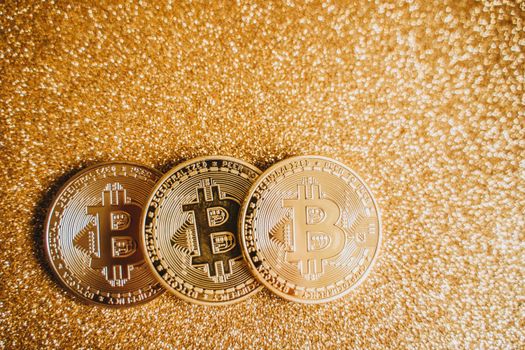 Photo: Alesia Kozik / Pexels