✓ Cryptocurrency is a digital or virtual currency secured by cryptography, making it nearly impossible to counterfeit or double-spend.
✓ Most cryptocurrencies are decentralized networks based on blockchain technology, a distributed ledger enforced by a disparate network of computers.
✓ Bitcoin, launched in 2009, was the first cryptocurrency and remains the largest by market capitalization.
✓ Transactions are verified by network nodes through cryptography and recorded in a public distributed ledger called a blockchain.
How It Works
1
Transaction Initiation
A user decides to send cryptocurrency to another user. This transaction is initiated from their crypto wallet, specifying the amount and recipient's public address.
2
Verification by Network Nodes
The transaction is broadcast to the cryptocurrency network. Network nodes (computers participating in the blockchain) then work to verify the legitimacy of the transaction using complex cryptographic algorithms.
3
Block Creation and Mining
Once verified, the transaction is bundled with other recent transactions into a 'block'. Miners (specialized nodes) compete to solve a complex computational puzzle to add this new block to the blockchain, a process known as 'mining'.
4
Blockchain Confirmation
The first miner to solve the puzzle adds the block to the distributed ledger, and the entire network updates its copy of the blockchain. This confirms the transaction, making it immutable and transparent for all participants.
The Foundation: Understanding Blockchain Technology
Photo: Morthy Jameson / Pexels
To truly grasp what is cryptocurrency and how does it work, one must first comprehend the revolutionary technology underpinning it: blockchain. Imagine a digital ledger, not housed in a single location, but distributed across thousands, even millions, of computers worldwide. Each entry, or 'block,' contains a timestamped list of transactions, and once added, it cannot be altered or removed. This immutability is one of blockchain's most powerful features, providing an unprecedented level of security and transparency. Every new block is cryptographically linked to the previous one, forming a continuous chain – hence, 'blockchain.' This distributed nature eliminates the need for a central authority, like a bank or government, to validate transactions. Instead, consensus among the network participants confirms the validity of each new block, making the system incredibly resilient to fraud and censorship. If one computer goes offline or attempts to tamper with the ledger, thousands of others maintain the correct, verified version. This decentralized structure is a radical departure from traditional financial systems, offering a new paradigm for secure and transparent record-keeping. The implications extend far beyond just digital money, with potential applications in supply chain management, voting systems, healthcare records, and intellectual property rights. Understanding blockchain is not just about understanding cryptocurrency; it's about understanding a foundational technology that could reshape various industries. For a deeper dive into the broader impact of this technology, explore how decentralization is transforming finance: decentralized finance explained. This fundamental shift from centralized control to distributed consensus is what gives cryptocurrencies their unique characteristics and potential to disrupt established financial norms. It's the engine that powers the entire crypto ecosystem, ensuring trust and integrity without relying on intermediaries. The robustness of this system comes from its distributed nature and the cryptographic principles applied at every step.
Mining, Wallets, and Exchanges: The Crypto Ecosystem
Photo: https://kaboompics.com/ / Pexels
Beyond the foundational blockchain, several other components are crucial to understanding what is cryptocurrency and how does it work in practice. Cryptocurrency mining, for instance, is the process by which new units of a cryptocurrency are introduced into circulation and how transactions are verified and added to the blockchain. Miners use powerful computers to solve complex mathematical problems. The first miner to solve the puzzle gets to add the next block of transactions to the blockchain and is rewarded with a certain amount of the cryptocurrency, plus transaction fees. This 'proof-of-work' mechanism ensures the security and integrity of the network, preventing malicious actors from easily manipulating the ledger. However, mining requires significant computational power and energy, leading to discussions about its environmental impact. Once you acquire cryptocurrency, you'll need a place to store it securely. This is where cryptocurrency wallets come in. A crypto wallet is a software program or physical device that stores the public and private keys needed to access your digital assets. Public keys are like a bank account number, allowing others to send you crypto, while private keys are like a password, granting you access to spend your funds. Wallets can be 'hot' (connected to the internet, like mobile or web wallets) or 'cold' (offline, like hardware wallets or paper wallets), each offering different levels of security and convenience. Finally, cryptocurrency exchanges are platforms where users can buy, sell, or trade cryptocurrencies for other digital assets or traditional fiat currencies (like USD). These exchanges act as intermediaries, facilitating transactions between buyers and sellers, often charging fees for their services. They provide liquidity to the market and are the primary gateway for most people to enter the crypto space. Understanding these three pillars – mining, wallets, and exchanges – is essential for anyone looking to engage with the cryptocurrency market effectively and securely.
Types of Cryptocurrencies and Their Diverse Applications
Photo: DS stories / Pexels
While Bitcoin paved the way, the cryptocurrency landscape has evolved dramatically, now encompassing thousands of different digital assets, each with unique features and applications. Beyond understanding what is cryptocurrency and how does it work in a general sense, it's vital to recognize the diversity within this asset class. Bitcoin (BTC) remains the dominant force, primarily serving as a store of value and a medium of exchange, often dubbed 'digital gold.' Its limited supply and decentralized nature contribute to its appeal as an inflation hedge. Ethereum (ETH), the second-largest cryptocurrency, introduced the concept of 'smart contracts' – self-executing contracts with the terms of the agreement directly written into code. This innovation allowed for the creation of decentralized applications (dApps) and the burgeoning field of Decentralized Finance (DeFi), which aims to recreate traditional financial services (lending, borrowing, trading) without intermediaries. Other notable cryptocurrencies include Ripple (XRP), designed for fast and low-cost international payments for financial institutions; Litecoin (LTC), often seen as 'digital silver' and offering faster transaction times than Bitcoin; and Cardano (ADA), which focuses on security, scalability, and sustainability through peer-reviewed research. Stablecoins, like Tether (USDT) or USD Coin (USDC), are another critical category. These cryptocurrencies are pegged to a stable asset, typically the US dollar, to minimize price volatility, making them useful for trading, lending, and as a safe haven during market downturns. The applications of these diverse cryptocurrencies extend beyond mere digital payments. They are being used for supply chain transparency, digital identity management, gaming, non-fungible tokens (NFTs) representing unique digital assets, and even decentralized autonomous organizations (DAOs) which are governed by code and community members. The continuous innovation in this space means that new use cases and types of cryptocurrencies are constantly emerging, pushing the boundaries of what's possible with digital assets. For more insights into how these different assets function in a broader financial context, consider exploring the principles of investment diversification.
Navigating the Crypto Market: Risks, Rewards, and Best Practices
Photo: Artem Podrez / Pexels
Understanding what is cryptocurrency and how does it work is only the first step; navigating its volatile market requires careful consideration of both risks and rewards, along with adherence to best practices. The primary reward is the potential for significant financial gains. Cryptocurrencies have historically seen rapid price appreciation, attracting investors seeking high returns. They also offer a degree of financial sovereignty, allowing individuals to control their assets without relying on traditional banks or intermediaries. Furthermore, the decentralized nature of many cryptocurrencies can offer increased privacy and resistance to censorship. However, the risks are equally pronounced. Price volatility is perhaps the most significant. Crypto markets are known for drastic price swings, which can lead to substantial losses if not managed carefully. Regulatory uncertainty is another major concern; governments worldwide are still grappling with how to regulate digital assets, and future regulations could significantly impact their value and accessibility. Security risks, such as hacking of exchanges or personal wallets, are also present, necessitating robust security measures. Moreover, the lack of consumer protection compared to traditional finance means investors bear more responsibility for due diligence. Best practices include thoroughly researching any cryptocurrency or project before investing, understanding its underlying technology and use case. Diversifying your portfolio, rather than putting all your funds into one asset, is crucial to mitigate risk. Employing strong security measures, such as using hardware wallets for significant holdings, enabling two-factor authentication, and being wary of phishing scams, is paramount. Never invest more than you can afford to lose. Staying informed about market trends, technological developments, and regulatory news is also essential for making informed decisions in this rapidly evolving space. Treat cryptocurrency investments like any other high-risk asset and approach them with a long-term perspective, focusing on fundamental value rather than speculative short-term gains.
**Key Best Practices for Crypto Investment:**
* **Do Your Own Research (DYOR):** Understand the project, team, and technology.
* **Diversify Your Portfolio:** Don't put all your eggs in one crypto basket.
* **Use Secure Storage:** Hardware wallets for cold storage are recommended for significant holdings.
* **Enable Two-Factor Authentication (2FA):** Protect your exchange accounts and wallets.
* **Start Small:** Begin with an amount you are comfortable losing.
* **Stay Informed:** Follow reputable news sources and market analysis.
* **Beware of Scams:** Be skeptical of promises of guaranteed high returns.
* **Understand Taxes:** Be aware of tax implications for crypto gains and losses.
Comparison
Feature
Bitcoin (BTC)
Ethereum (ETH)
Litecoin (LTC)
Primary Use Case
Store of Value, Digital Gold
Smart Contracts, dApps, DeFi
Faster Payments, Digital Silver
Consensus Mechanism
Proof-of-Work (PoW)
Proof-of-Stake (PoS) (post-Merge)
Proof-of-Work (PoW)
Transaction Speed
Slower (avg. 10 min/block)
Moderate (avg. 12-15 sec/block)
Faster (avg. 2.5 min/block)
Supply Cap
21 Million
No fixed cap (inflationary/deflationary)
84 Million
Initial Release
2009
2015
2011
What Readers Say
★★★★★
"This article brilliantly explains what is cryptocurrency and how does it work, breaking down complex topics like blockchain into easily digestible concepts. I feel much more confident in understanding the basics now."
Sarah J. · Austin, TX
★★★★★
"As a beginner, I found the explanations of mining and wallets incredibly helpful. This guide truly demystifies what is cryptocurrency and how does it work for the average person."
Mark D. · Miami, FL
★★★★★
"The detailed sections on different types of cryptocurrencies and their applications opened my eyes to the vast potential beyond just Bitcoin. This knowledge has already helped me diversify my small crypto portfolio."
Emily R. · Seattle, WA
★★★★★
"A very comprehensive overview of what is cryptocurrency and how does it work. While excellent, I would have loved a bit more on regulatory challenges, but overall, it's a fantastic resource."
David L. · Chicago, IL
★★★★★
"I've been curious about crypto for years, but always felt overwhelmed. This article provided the clear, concise information I needed to finally understand what is cryptocurrency and how does it work, making me feel ready to explore further."
Chloe M. · Denver, CO
Frequently Asked Questions
What is the primary difference between cryptocurrency and traditional money?
The primary difference is decentralization. Traditional money (fiat) is controlled by central banks and governments, while most cryptocurrencies are decentralized, meaning they operate on a distributed network without a central authority, relying on cryptography for security and transparency.
Is cryptocurrency safe to invest in?
Cryptocurrency can be a high-risk investment due to its volatility, regulatory uncertainty, and potential security vulnerabilities like hacks. However, with proper research, secure storage, and risk management, it can be part of a diversified investment strategy. Never invest more than you can afford to lose.
How do I buy cryptocurrency?
You can buy cryptocurrency through various online platforms called cryptocurrency exchanges (e.g., Coinbase, Binance, Kraken). You typically link your bank account or debit card, deposit funds, and then use those funds to purchase your desired cryptocurrency.
What gives cryptocurrency value?
Cryptocurrency derives its value from several factors, including supply and demand, utility (what problems it solves), adoption rate, technological innovation, community support, and scarcity (like Bitcoin's limited supply). It's a complex interplay of market forces and inherent project value.
How does blockchain technology make cryptocurrency secure?
Blockchain technology makes cryptocurrency secure by creating an immutable, transparent, and distributed ledger. Each transaction is cryptographically linked to the previous one, and validated by a network of computers, making it extremely difficult for any single entity to alter or falsify data without detection.
Who should consider investing in cryptocurrency?
Individuals with a high-risk tolerance and a long-term investment horizon who are willing to conduct thorough research and understand the underlying technology and market dynamics should consider investing in cryptocurrency. It's not suitable for everyone, especially those seeking guaranteed returns or low-risk investments.
What are the biggest risks associated with cryptocurrency?
The biggest risks include extreme price volatility, regulatory changes that could impact legality or value, security breaches (e.g., exchange hacks, personal wallet compromises), and the potential for scams or fraudulent projects. A lack of consumer protection compared to traditional finance also poses a risk.
What is the future outlook for cryptocurrency?
The future outlook for cryptocurrency is dynamic and uncertain, but generally positive for its underlying technology. While specific cryptocurrencies may rise and fall, blockchain technology is expected to see increased adoption across various industries, potentially revolutionizing finance, supply chains, and digital identity. Regulatory clarity will play a significant role in its mainstream acceptance.
Now that you have a comprehensive understanding of what is cryptocurrency and how does it work, you're better equipped to navigate this exciting and evolving financial landscape. Continue your learning journey and explore the possibilities that digital assets offer for your financial future.
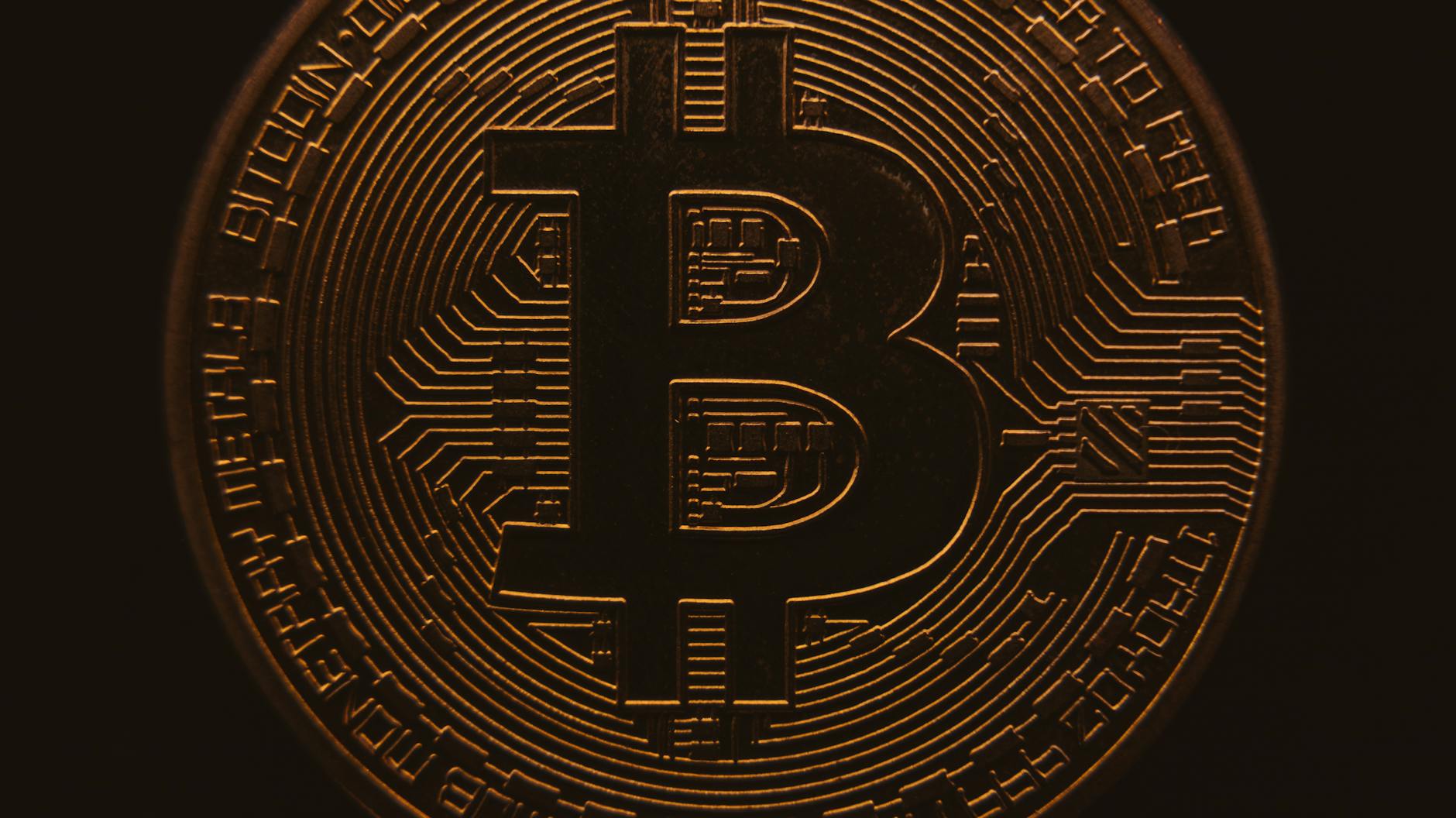
 Photo: Morthy Jameson / Pexels
 Photo: https://kaboompics.com/ / Pexels
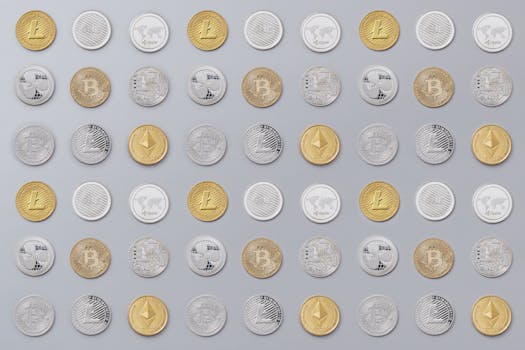 Photo: DS stories / Pexels
 Photo: Artem Podrez / Pexels